




What's Happening?
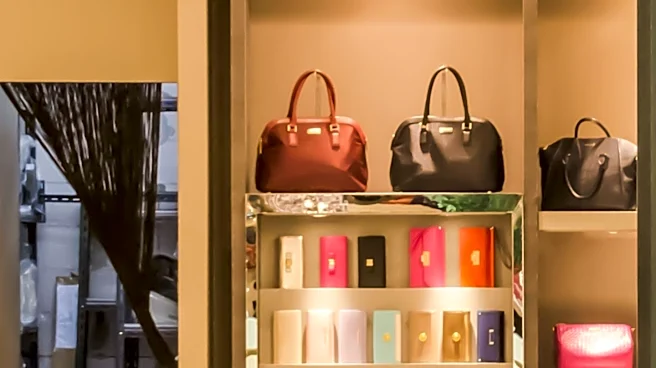
The luxury market is undergoing a significant transformation, largely due to the rise of online shopping and the luxury resale market. Platforms like Net-a-Porter, Matches, and Farfetch have made high-end fashion more accessible online, while resale platforms
such as The RealReal allow consumers to buy and sell pre-owned luxury items. This shift means consumers are not only purchasing secondhand goods but also selling items from their own wardrobes to fund new purchases. This trend is challenging traditional luxury brands, which are now facing slowing sales and weaker results. Consumers are increasingly informed, have higher expectations for quality, and are finding that vintage items sometimes offer superior tailoring, materials, or construction compared to new luxury products. The geographical landscape of luxury is also changing, with South Korea and India emerging as key growth markets, driven by digital communication and highly connected consumer communities.
Why It's Important?
The growth of the luxury resale market is creating new competition for traditional luxury brands, forcing them to re-evaluate their strategies. This shift impacts the entire luxury industry, from manufacturing and supply chains to marketing and retail experiences. Brands that once relied on exclusivity and brand recognition are now contending with consumers who prioritize quality, uniqueness, and product discovery, often found in the resale market. The increased accessibility of luxury goods through online and resale channels may also dilute the perceived exclusivity of some brands. Furthermore, the changing consumer priorities, influenced by social media and AI, mean that simply having a famous logo is no longer sufficient to attract buyers. This necessitates a focus on exceptional product innovation, craftsmanship, and a compelling brand experience to remain competitive.
What's Next?
Luxury brands will need to adapt by focusing on consumer-centric strategies, emphasizing product innovation, and ensuring high-quality craftsmanship to meet evolving expectations. They may need to explore new market opportunities in regions like South Korea and India, understanding the unique consumer behaviors and digital landscapes in these areas. The physical retail experience will also need to evolve, moving beyond mediocre stores to offer personalized service and an environment that reinforces the premium positioning of luxury products. Brands might also consider integrating with or developing their own resale initiatives to capture a share of this growing market. The industry will likely see continued pressure on pricing and a greater emphasis on sustainability and ethical sourcing as informed consumers demand more from their luxury purchases.
Beyond the Headlines
The rise of the luxury resale market highlights a broader cultural shift towards more conscious consumption and a redefinition of value. Consumers are increasingly questioning the inherent worth of new luxury items, opting for pre-owned goods that offer perceived better quality or unique vintage appeal. This trend also touches upon the ethical and environmental dimensions of fashion, as buying secondhand can be seen as a more sustainable choice. The challenge for luxury brands extends beyond economic factors to maintaining brand integrity and desirability in an era of increased transparency and accessibility. The long-term implications could include a more circular economy within the luxury sector, where products are designed for longevity and multiple ownerships, potentially altering traditional notions of luxury ownership and status.