





What's Happening?
A Sustainable Village, a refill shop located at 50 University Place in Greenwich Village, NYC, is expanding its services to offer refills for a wide array of household and personal care products. Customers can bring their own clean containers, which are weighed
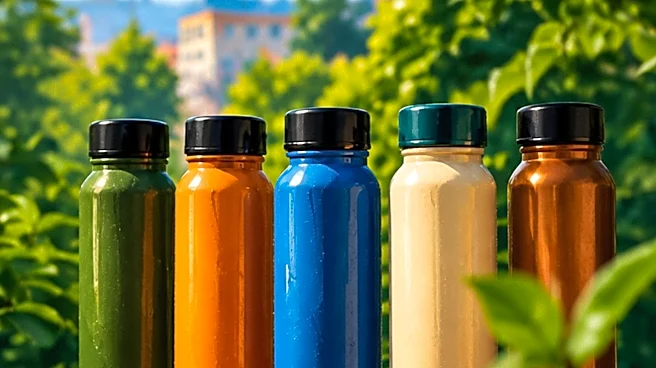
empty, filled with the desired product, and then paid for by weight. The shop provides refills for items such as hand soap, dish soap, laundry detergent, body lotion, shampoo, conditioner, body wash, dishwasher rinse aid, and multi-surface cleaner. The shop also offers its own plant-based soaps and detergents, which are made in New York. For those without containers, refillable aluminum bottles are available for purchase. The service aims to reduce waste by encouraging the reuse of containers and offers subscription discounts for automatic deliveries, as well as options for office and business refills.
Why It's Important?
This expansion of refill services in NYC is a significant development for urban sustainability and consumer behavior in the U.S. It provides a practical and accessible solution for reducing single-use plastic waste, aligning with growing environmental concerns among city residents. By offering a wide range of essential products, the service makes it easier for consumers to integrate eco-friendly practices into their daily routines. The 'pay-by-the-ounce' model and subscription options make sustainable living more affordable and convenient, potentially attracting a broader customer base. For businesses, this model demonstrates a viable pathway for sustainable retail, encouraging other urban centers to adopt similar initiatives. It also supports local economies by featuring New York-made products and fostering community engagement around environmental stewardship.
What's Next?
The success and expansion of refill services like A Sustainable Village could catalyze a broader movement towards zero-waste retail models across the U.S. We might see more cities and neighborhoods adopting similar refill stations, potentially integrated into existing grocery stores or specialized eco-shops. This trend could also encourage manufacturers to produce more concentrated products and bulk packaging designed for refill systems. Furthermore, increased consumer demand for such services could lead to policy changes supporting waste reduction and circular economy initiatives at local and state levels. The focus on convenience and cost-effectiveness will be key to mainstreaming these sustainable practices, making them an integral part of urban living.
Beyond the Headlines
Beyond the immediate environmental benefits, the growth of refill services like this signifies a cultural shift towards conscious consumption and community-oriented solutions. It fosters a sense of collective responsibility for waste reduction and encourages direct engagement between consumers and local businesses. This model challenges the traditional consumer-packaged goods industry by promoting product access over ownership of packaging, potentially leading to innovative business models and supply chain adjustments. It also highlights the importance of local initiatives in addressing global environmental challenges, demonstrating how small-scale efforts can contribute to larger systemic change. The emphasis on plant-based, locally made products further strengthens the connection between sustainability, health, and community well-being.