






What's Happening?
CesiumAstro, a Texas-based phased-array antenna specialist, is currently in the midst of a Series D funding round to support its transformation into a constellation operator. The company announced that this funding round is already oversubscribed. This
development coincides with CesiumAstro's acquisition of mission software specialist 1Aardvark on August 25, marking its third acquisition in less than a year. These acquisitions are part of a strategy to bring more capabilities in-house. 1Aardvark, based in Virginia, specializes in mission software, algorithms, and systems engineering for national defense programs, including missile defense and tracking. These capabilities are expected to enhance the autonomous response of CesiumAstro's Element spacecraft to changing conditions, ensuring operation even with limited connectivity. Previously, CesiumAstro acquired AI startup Vidrovr, which develops software for autonomous optimization of radio-frequency performance and edge processing. While financial details of the 1Aardvark acquisition were not disclosed, CesiumAstro stated it is smaller than its recent acquisition of semiconductor specialist Jariet Technologies.
Why It's Important?
CesiumAstro's aggressive acquisition strategy and ongoing Series D funding round are pivotal for its ambition to become a significant constellation operator. By integrating mission software, AI capabilities, and semiconductor expertise through acquisitions like 1Aardvark, Vidrovr, and Jariet Technologies, CesiumAstro is building a vertically integrated approach to satellite technology. This strategy aims to enhance the autonomy, resilience, and performance of its spacecraft, which is crucial for its proposed Synchronicity constellation of 737 satellites. The focus on national defense programs through 1Aardvark's expertise also highlights the growing convergence of commercial space technology with government and military applications. This move positions CesiumAstro to offer more comprehensive and secure solutions for enterprise and government users, potentially disrupting the satellite connectivity market and strengthening U.S. capabilities in space-based communications and defense.
What's Next?
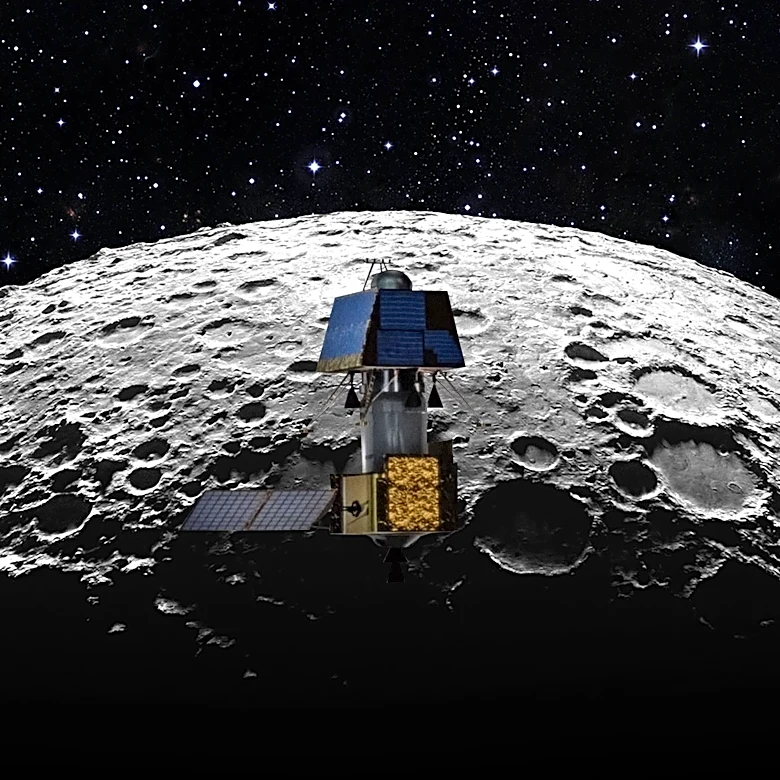
CesiumAstro is preparing to deploy the first Element spacecraft in October, which will serve as a precursor to its proposed Synchronicity constellation. The successful completion of the oversubscribed Series D funding round will provide the necessary capital to advance these ambitious plans. The integration of 1Aardvark's mission software expertise will be critical in developing spacecraft that can autonomously respond to dynamic conditions and maintain operations in challenging environments. CesiumAstro will continue to focus on leveraging its acquired technologies to build out the Synchronicity constellation, which aims to provide connectivity using Ku-, Ka-, and V-band spectrum. The company's ongoing growth and strategic acquisitions suggest a continued expansion of its capabilities and market presence in the satellite and space technology sectors, with potential for further innovation in autonomous space operations and secure communications.
Beyond the Headlines
CesiumAstro's rapid expansion and vertical integration strategy reflect a broader trend in the space industry where companies are seeking to control more aspects of their technology stack to gain a competitive edge. By bringing key capabilities like mission software, AI, and semiconductors in-house, CesiumAstro aims to reduce dependencies on external suppliers, accelerate development cycles, and enhance the performance and security of its satellite constellations. This approach is particularly relevant in the context of national defense, where resilient and autonomous space assets are becoming increasingly vital. The development of constellations like Synchronicity, designed for enterprise and government users, underscores the growing demand for secure and high-bandwidth satellite connectivity. This trend could lead to a more consolidated and competitive space industry, with a greater emphasis on end-to-end solutions and advanced autonomous capabilities for both commercial and strategic applications.