


What's Happening?
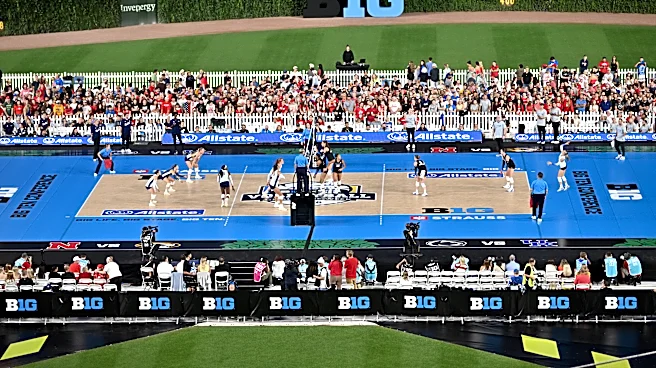
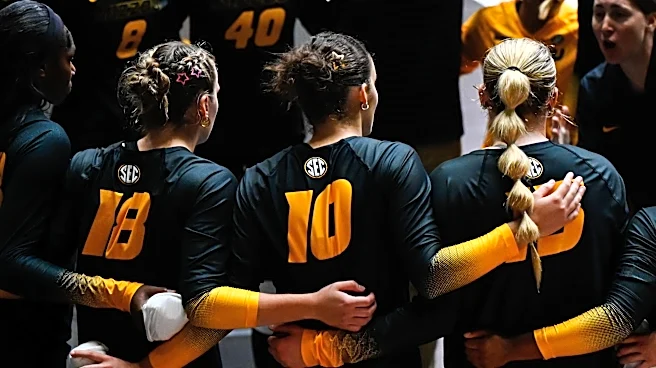
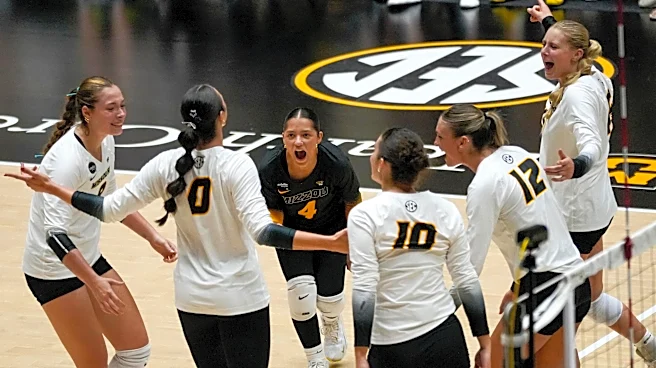
The Big Ten/SEC Volleyball Challenge Week finale between No. 1 Nebraska and Missouri at Wrigley Field was suspended during the first set due to condensation on the outdoor court. The match was halted with Nebraska leading 11-7. The Big Ten announced that
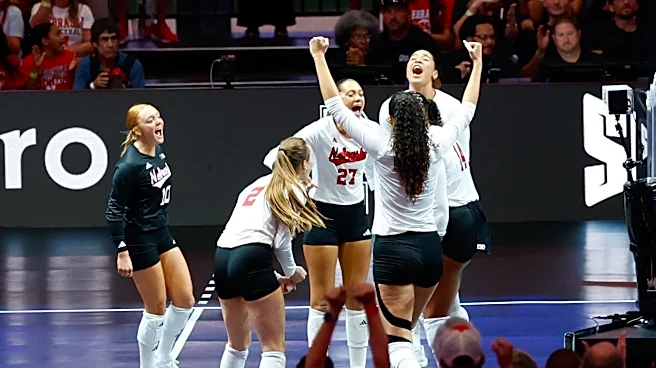
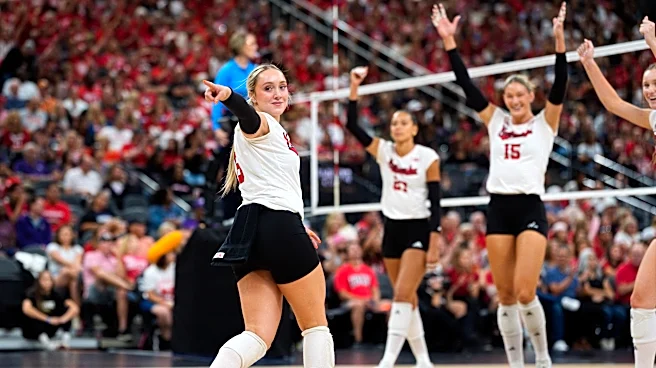
rescheduling at Wrigley Field is not possible, and a decision on the match continuation at a different venue will be made later. Humidity reached 76% at the time of the first serve, which, combined with previous match activity, caused the Taraflex court to become unplayable. Despite the suspension, players from both teams engaged with the crowd, leading sing-alongs and dance battles to maintain high spirits. The event had drawn a large crowd of 43,067, predominantly Nebraska fans, marking the second-highest attendance in both Wrigley Field and college volleyball history. Earlier in the weekend, No. 13 Penn State and No. 3 Kentucky completed their match at Wrigley Field, with Kentucky winning 3-1.
Why It's Important?
The suspension of a high-profile college volleyball match at an iconic venue like Wrigley Field highlights the challenges and risks associated with hosting outdoor sporting events, particularly in unpredictable weather conditions. This incident, despite the significant investment and effort by the Big Ten and the Cubs organization, underscores the logistical complexities and potential financial implications when such events are disrupted. For college volleyball, which has seen a surge in attendance and viewership, this event was intended to further boost its profile. While the enthusiasm of the fans and the players' positive response mitigated some of the disappointment, the incident could lead to a re-evaluation of outdoor venue choices for future major college sports events. It also impacts the teams involved, particularly Nebraska and Missouri, who now face an uncertain rescheduling process that could affect their season's momentum and player conditioning. The event's massive attendance, however, still signals a growing interest in women's sports and college volleyball, suggesting that despite this hiccup, the sport's upward trajectory remains strong.
What's Next?
The Big Ten will announce a decision on the continuation of the Nebraska-Missouri match at a later date and different venue, which will require coordination between the two universities and the conference. This rescheduling will likely impact both teams' future schedules and travel plans. Organizers of future outdoor sporting events, especially those involving specialized playing surfaces, will likely review the lessons learned from this incident regarding weather contingency planning and venue suitability. The event's organizers, including the Big Ten and the Cubs organization, may conduct a post-mortem analysis to understand how to prevent similar issues in the future. Despite the suspension, the overall success in drawing a record-breaking crowd for college volleyball at Wrigley Field may still encourage similar innovative venue choices for other sports, albeit with more robust weather-related protocols. The incident will likely be a talking point in discussions about the growth and future of college volleyball, particularly regarding the balance between spectacle and practical playing conditions.
Beyond the Headlines
The suspension of the Nebraska-Missouri volleyball match at Wrigley Field, while a logistical setback, inadvertently highlights the evolving landscape of sports and entertainment. The attempt to bring college volleyball to a baseball stadium signifies a broader trend of sports organizations seeking novel ways to engage audiences and expand their reach beyond traditional venues. This 'eventization' of sports, where the spectacle of the location becomes as important as the game itself, reflects a strategic effort to capture new demographics and elevate the profile of sports like women's volleyball. The incident also subtly underscores the increasing impact of climate and weather variability on outdoor events, prompting deeper considerations for sustainability and resilience in event planning. Furthermore, the players' impromptu engagement with the crowd post-suspension showcased a refreshing adaptability and connection with fans, potentially setting a new standard for how athletes can respond to unforeseen circumstances, turning a disappointment into a memorable moment of community building. This event, despite its interruption, contributes to the narrative of women's sports breaking barriers and commanding larger stages, even as it exposes the practical challenges of such ambitious undertakings.