






What's Happening?
The global market for elastomer-bonded metal mounts is projected to experience significant growth through 2035, driven by increasing demand in industrial automation and renewable energy sectors. These mounts, which combine a metal core with a molded elastomer layer,
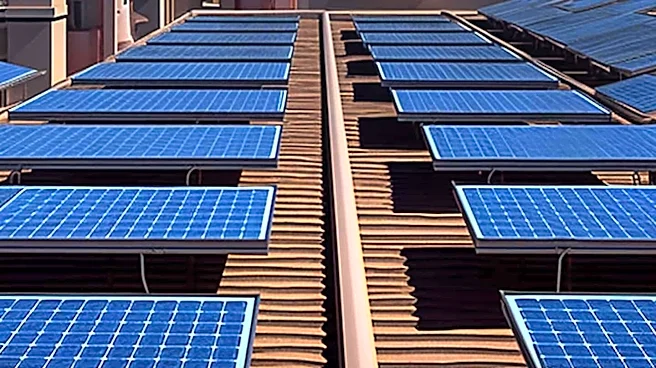
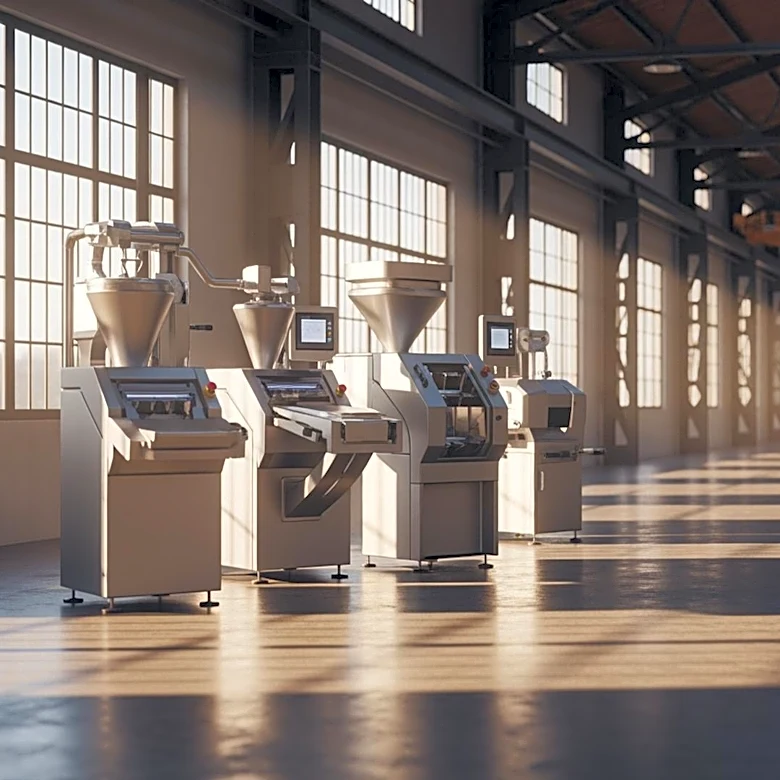
are essential for vibration isolation, shock absorption, and noise damping. The market is expected to grow at a compound annual rate of 3.5-4.5%, with applications spanning industrial machinery, automotive, aerospace, and renewable energy installations. The demand is particularly strong in sectors requiring precision and durability, such as wind turbines and solar tracking systems. The market's expansion is supported by advancements in industrial automation and the global shift towards renewable energy infrastructure.
Why It's Important?
The projected growth of the elastomer-bonded metal mounts market is crucial for several industries, particularly those involved in industrial automation and renewable energy. As these sectors expand, the need for effective vibration isolation and noise damping solutions becomes more critical. This growth reflects broader industrial trends, including the push for automation and the transition to renewable energy sources. For manufacturers and suppliers, this presents opportunities to innovate and capture market share by developing high-performance, durable mounts. Additionally, the market's expansion could lead to increased investment in related technologies and infrastructure, further driving economic growth and technological advancement.
What's Next?
As the market for elastomer-bonded metal mounts grows, companies involved in manufacturing and supplying these components are likely to focus on innovation and efficiency to meet rising demand. This could involve developing new materials and designs that offer enhanced performance and durability. Additionally, the market may see increased consolidation as companies seek to strengthen their positions through mergers and acquisitions. Regulatory compliance and certification processes will remain critical, influencing the competitive landscape. The ongoing shift towards renewable energy and industrial automation will continue to drive demand, shaping the market's trajectory over the next decade.