




What's Happening?
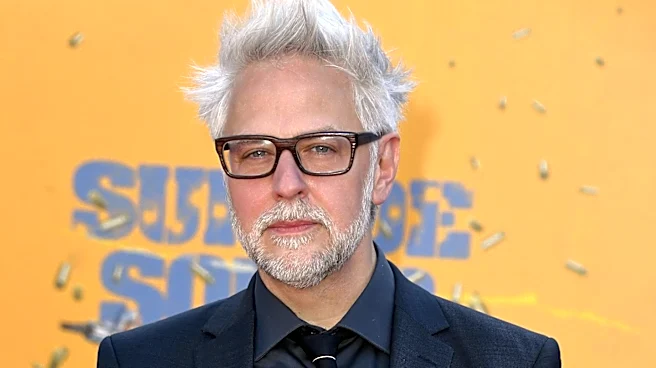
James Gunn and Peter Safran are anticipated to remain at the helm of DC Studios, even if Paramount Skydance successfully acquires Warner Bros., according to a new report. An insider speaking with TheWrap indicates that there are no current intentions
to replace Gunn or Safran or to implement significant structural changes within DC Studios. This aligns with previous reports suggesting that Paramount Skydance CEO David Ellison supports the current direction Gunn and Safran have established for the DC Universe. Ellison has reportedly expressed an open-minded approach to their ongoing work at DC Studios. This news comes as DC Studios has experienced varied success, with 'Superman' and the second season of 'Peacemaker' receiving positive responses, while 'Supergirl' faced box office struggles and mixed critical reception. Additionally, some long-developed DC television projects are reportedly being re-evaluated or abandoned, contributing to uncertainty about future projects.
Why It's Important?
The potential retention of James Gunn and Peter Safran as leaders of DC Studios is significant for the stability and future creative direction of the DC Universe. In an industry frequently marked by leadership changes and strategic shifts, especially during major corporate acquisitions, continuity at the top can foster a more consistent creative vision. For fans, this could mean a more cohesive and less disrupted narrative for DC properties, a brand that has experienced multiple leadership changes over the past decade. The reported support from Paramount Skydance CEO David Ellison suggests a belief in the current creative strategy, which could provide the necessary backing for long-term planning and execution. Conversely, if the acquisition proceeds and leadership were to change, it could lead to further creative overhauls and delays, potentially alienating audiences and impacting the commercial performance of upcoming films and television series. The performance of projects like 'Supergirl' highlights the challenges of maintaining momentum across a broad cinematic universe, making stable leadership crucial for navigating these complexities.
What's Next?
Should the Paramount Skydance acquisition of Warner Bros. proceed, the immediate next steps for DC Studios will likely involve a continued focus on existing projects under Gunn and Safran's leadership. The report suggests that Ellison intends to evaluate Warner Bros.' current leadership before making any sweeping changes, indicating a period of assessment rather than immediate upheaval. This means that Warner Bros. Pictures co-heads Pam Abdy and Michael De Luca, along with New Line Cinema president Richard Brener, are also expected to remain in their roles for the time being. The success of upcoming projects, such as the next 'Superman' film, 'Man of Tomorrow,' which will be directed by James Gunn, will be critical in solidifying the current leadership's position and the overall direction of the DC Universe. The performance of these projects will likely influence any future decisions regarding the long-term leadership and creative strategy of DC Studios.
Beyond the Headlines
The potential for continuity in leadership at DC Studios, despite a major corporate acquisition, points to a broader industry trend where creative vision and established talent are increasingly valued, even amidst financial restructuring. This situation highlights the tension between corporate ownership changes and the need for stable creative direction in large entertainment franchises. For DC, a brand that has historically struggled with consistent cinematic universe planning, the prospect of sustained leadership offers a rare opportunity for long-term narrative development and brand building. It also underscores the growing influence of key creative figures like James Gunn in shaping the future of major intellectual properties. The decision to retain leadership could set a precedent for how future media mergers prioritize creative stability over immediate, drastic overhauls, potentially leading to more artist-friendly transitions in the entertainment industry.