


What's Happening?
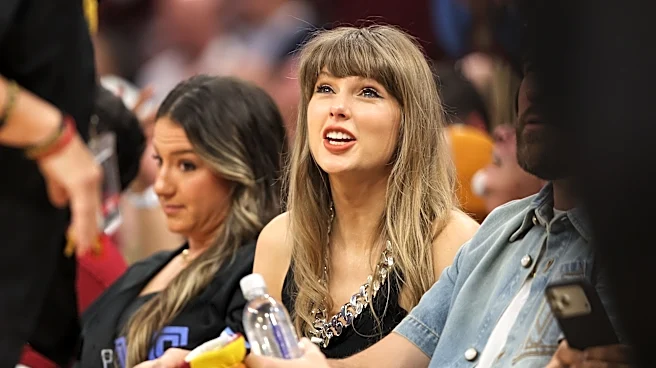
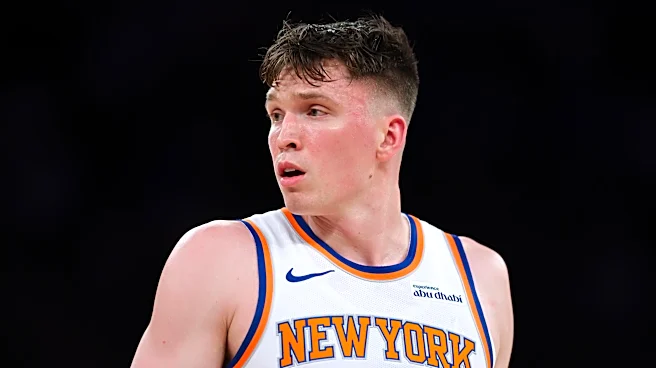
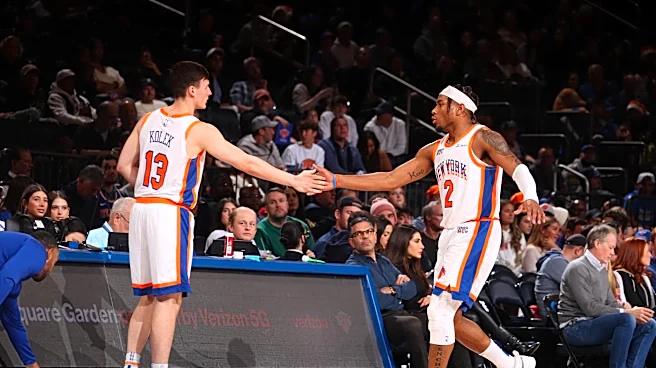
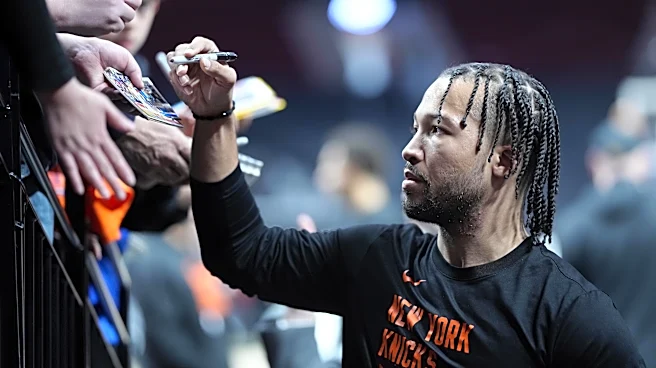
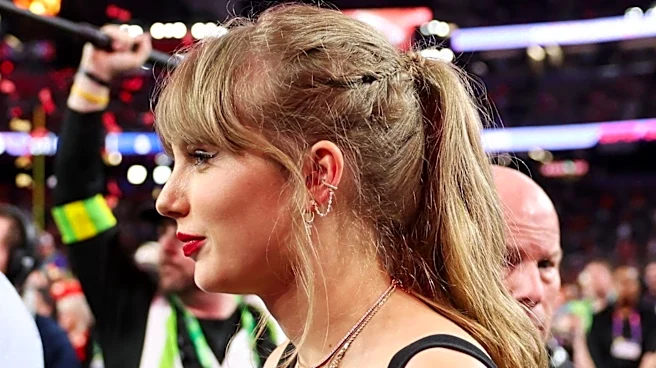
New York Knicks guards Tyler Kolek and Miles "Deuce" McBride, during an NBA 2K TikTok stream, identified pop superstar Taylor Swift as the 'fakest' celebrity fan they encountered during the Knicks' championship run. Kolek specifically cited Swift's courtside
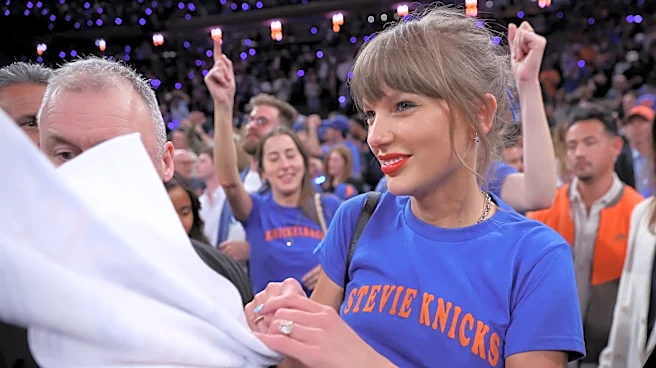
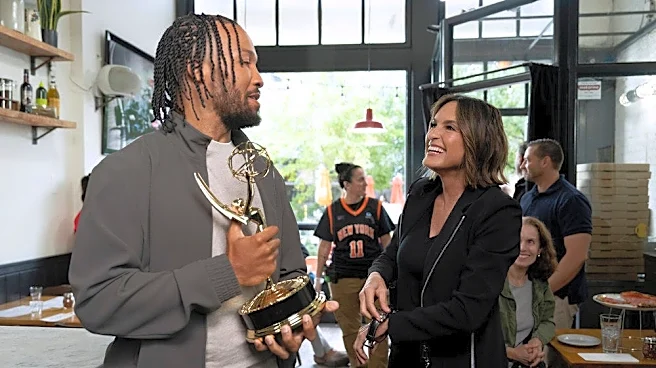
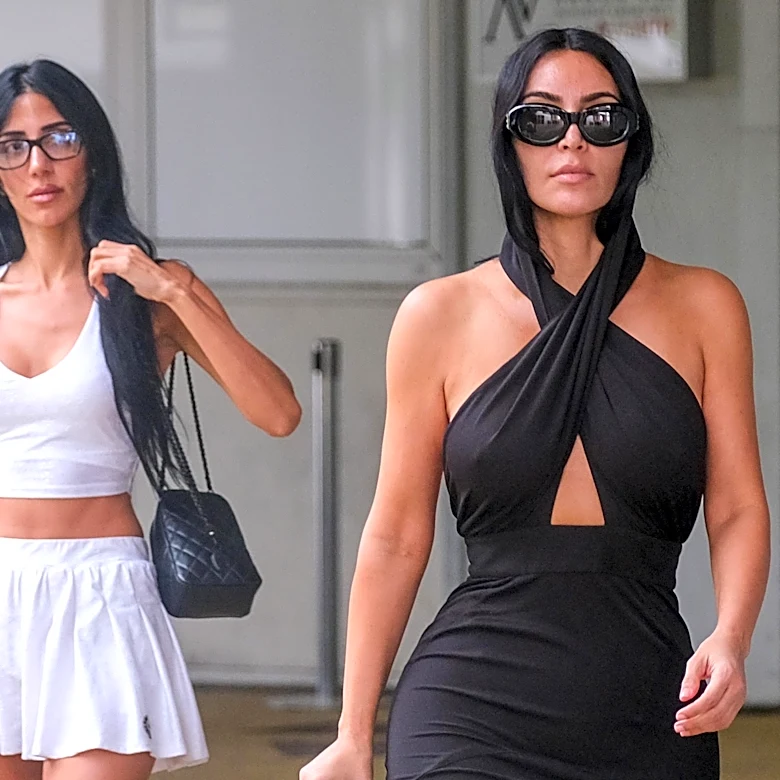
appearance at Game 4 of the Knicks' series against the San Antonio Spurs on June 10, 2026, at Madison Square Garden. Swift was seen wearing a custom blue-and-orange T-shirt with the pun "Stevie Knicks" and was accompanied by friends Mariska Hargitay, Alana Haim, and Este Haim. Kolek stated he hadn't seen her at other games and found her appearance "a little performative," a sentiment McBride agreed with. Kolek later attempted to clarify his remarks, suggesting Swift's busy schedule might limit her attendance. In response, the Knicks organization released a statement to ESPN, asserting, "Taylor Swift has been a Knicks fan for many years, has a long history with Madison Square Garden, and we are incredibly appreciative of her support of the organization."
Why It's Important?
This incident highlights the scrutiny public figures face regarding their affiliations and appearances, particularly in the highly visible world of professional sports and celebrity culture. For the New York Knicks, maintaining positive relationships with high-profile supporters like Taylor Swift is beneficial for brand image and fan engagement, as celebrity endorsements can significantly boost team visibility and appeal. The players' comments, while potentially reflecting genuine observations, risk alienating a segment of Swift's massive fanbase, known as 'Swifties,' who are fiercely loyal and influential. The Knicks' swift response to support Swift underscores the importance of managing public perception and mitigating potential negative fallout from such remarks, especially when dealing with a global icon whose influence extends far beyond music into various cultural spheres, including sports.
What's Next?
The immediate aftermath may involve continued discussion on social media platforms regarding celebrity authenticity at sporting events. While the Knicks organization has issued a supportive statement, individual players might face further fan reactions or media questions about their comments. It is unlikely to have a lasting impact on Taylor Swift's career or her relationship with the Knicks, given the team's public backing. However, it serves as a reminder for athletes about the reach and potential consequences of their statements, even in informal settings like live streams. Future celebrity appearances at Knicks games may be viewed through the lens of this incident, with increased public and media attention on the frequency and perceived sincerity of their support.
Beyond the Headlines
This event touches upon broader themes of authenticity in celebrity culture and the blurred lines between genuine interest and strategic public appearances. In an era where celebrity endorsements and visibility are highly valued, the perception of 'fakeness' can undermine the intended positive impact. It also reflects the power dynamics between athletes, celebrities, and their respective fan bases. The swift and decisive response from the Knicks organization demonstrates the strategic importance of managing public relations in the age of instant communication, where even casual remarks can escalate into significant media narratives. This incident also subtly highlights the pressure on celebrities to consistently demonstrate their allegiance to causes or teams they publicly support, lest their commitment be questioned by fans and observers alike.