





What's Happening?
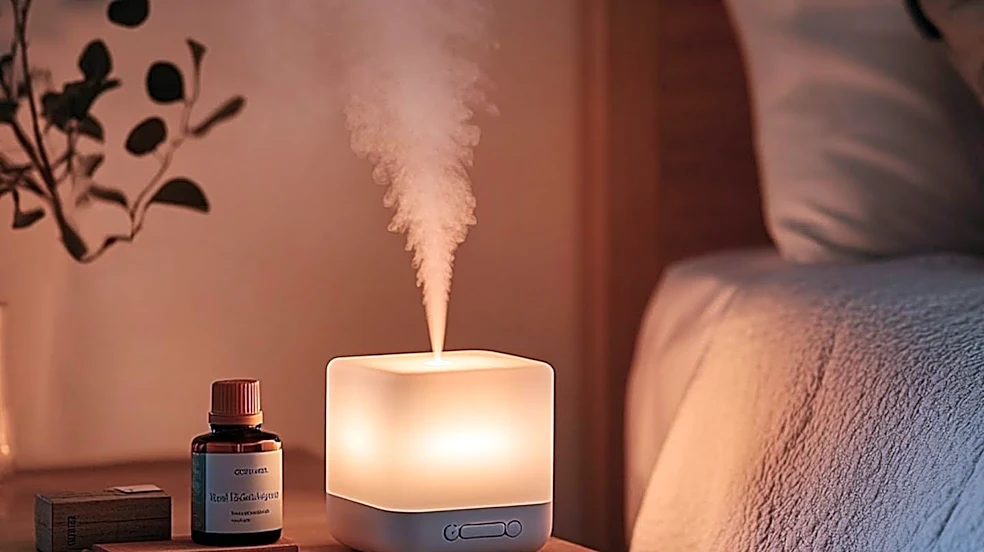
There is a rising trend in the use of home fragrance products, such as essential oil diffusers and scented candles, to influence indoor environments and promote sensory well-being. This shift reflects a broader focus on how immediate surroundings impact
daily life, extending beyond traditional elements like furniture and lighting. People are increasingly using scents to create specific atmospheres for various activities, from focused work to relaxation and sleep. For instance, a particular fragrance might be associated with evening reading or a fresh aroma with cleaning. The benefit is seen less in the device itself and more in establishing repeatable environmental rituals that help mark daily transitions. Brands like Cedar & Zen emphasize natural botanicals and mindful rituals, while others like Earl of East offer a range of home fragrance products to build everyday routines. The market is seeing a variety of diffusion technologies, including ultrasonic, nebulizing, heat-based, and passive systems, each offering a different fragrance experience.
Why It's Important?
This trend signifies a notable shift in consumer priorities towards holistic well-being, impacting the home goods and personal care industries. The emphasis on creating intentional home environments through scent suggests a growing market for products that cater to sensory experiences rather than just functional needs. This creates opportunities for manufacturers of diffusers, essential oils, and scented candles, as well as for retailers specializing in home wellness. The focus on personal preference, product quality, and safety also highlights a demand for transparent labeling and responsible product development. Furthermore, the distinction between fragrance and aromatherapy, and the need for evidence-based claims, could lead to increased scrutiny and regulation within the industry, pushing brands towards more scientific backing for their wellness claims. This also impacts how consumers perceive and purchase products, prioritizing those that align with their desire for mindful living and personalized experiences.
What's Next?
The home fragrance market is likely to continue its expansion, with an increased focus on product innovation, sustainability, and personalized scent experiences. Consumers can expect to see more advanced diffusion technologies, a wider array of natural and ethically sourced ingredients, and products designed to integrate seamlessly into daily routines. Brands may invest further in research to substantiate wellness claims, moving beyond anecdotal evidence to provide more robust scientific backing for the effects of specific scents on mood and well-being. There will also likely be a continued emphasis on responsible use, with clearer guidelines for consumers regarding essential oil concentration, potential irritants, and safety around children and pets. The integration of home fragrance into broader sensory design principles for residential and commercial spaces is also anticipated, as the understanding of scent's impact on environment perception grows.
Beyond the Headlines
The growing interest in home fragrance rituals touches upon deeper psychological and cultural aspects of human interaction with their environment. Scent's strong connection to memory and emotion means that these rituals can profoundly influence psychological states, offering a non-pharmacological approach to managing stress, improving focus, or enhancing relaxation. This trend also reflects a broader societal movement towards mindfulness and intentional living, where individuals seek to exert more control over their immediate surroundings to foster a sense of calm and order in an increasingly chaotic world. The ethical considerations surrounding the sourcing of natural botanicals and the potential for misleading wellness claims also highlight the need for consumer education and industry self-regulation. Ultimately, the evolution of home fragrance from a mere aesthetic choice to a tool for sensory well-being underscores a fundamental human desire to create nurturing and personalized spaces.