




What's Happening?
Dumpster diving, once associated with poverty, is experiencing a boom in popularity, partly fueled by the cost-of-living crisis and the rise of social media influencers. According to RTE.ie, a community of dumpster diving influencers is emerging, posting
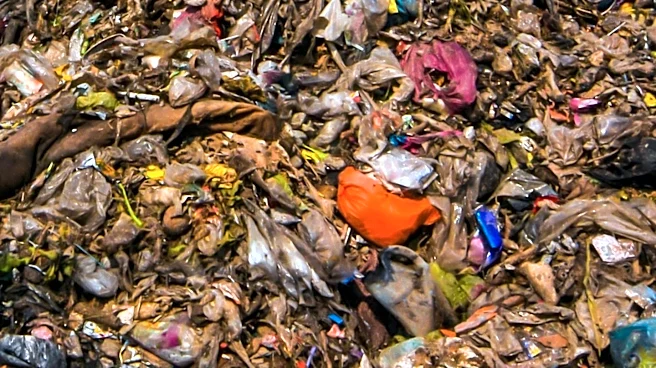
about their hauls and earnings. One influencer, 31-year-old Carter Stevens, claims to make around $140,000 annually from dumpster diving. This trend is particularly prevalent in certain U.S. states where laws regarding discarded items are lenient, often considering what's thrown away as 'fair game.' The market is also boosted by the explosion of resale platforms, which allow divers to monetize their finds. Fast fashion's rapid production cycles and the retail industry's practice of dumping unsold or returned goods contribute significantly to the availability of valuable items in dumpsters, including luxury goods that brands prefer to discard rather than discount.
Why It's Important?
This phenomenon highlights several critical issues in the U.S. and globally. Firstly, it underscores the severe waste generated by the fast fashion and broader retail industries, where it's often more economical for businesses to dump perfectly good items than to process returns or find alternative uses. Secondly, the rise of dumpster diving as a lucrative side-hustle or even a career reflects the economic pressures faced by many due to the cost-of-living crisis, pushing individuals to unconventional means of income. Thirdly, the legal ambiguity surrounding discarded property in some U.S. states creates a unique environment for this activity to thrive, contrasting with stricter regulations in other regions. The ability of influencers to monetize their finds through resale platforms also points to the evolving gig economy and the entrepreneurial spirit in adapting to economic challenges and market inefficiencies.
What's Next?
The trend of dumpster diving, particularly for profit, is likely to continue as long as fast fashion and retail waste remain prevalent and economic pressures persist. There may be increased scrutiny on waste management practices by retailers, potentially leading to calls for stricter regulations or incentives for more sustainable disposal methods in the U.S., similar to new EU rules prohibiting the destruction of unsold stock. The legal landscape surrounding dumpster diving could also evolve, with some states potentially clarifying or tightening laws regarding discarded property. The influence of social media will continue to play a role, potentially attracting more individuals to the practice, while also raising questions about the accuracy and transparency of influencers' claims regarding earnings and the ease of finding valuable items. The growth of resale platforms will further facilitate the monetization of these finds, creating a secondary market for discarded goods.
Beyond the Headlines
The rise of dumpster diving influencers exposes a deeper societal paradox: the simultaneous existence of immense waste and economic hardship. It challenges conventional notions of value and ownership, as items deemed worthless by retailers become valuable commodities for others. This practice also raises ethical questions for consumers and brands alike. For consumers, it prompts reflection on the environmental impact of their purchasing habits and the lifecycle of products. For brands, it highlights the reputational risks associated with wasteful practices and the potential for public backlash, as seen with luxury brands like Coach and Burberry. The phenomenon also touches upon the broader issue of resource allocation and the inefficiencies within the capitalist system, where perfectly usable goods are discarded due to economic calculations rather than actual lack of utility. It suggests a need for systemic changes in production, consumption, and waste management to address both environmental concerns and economic inequalities.