






What's Happening?
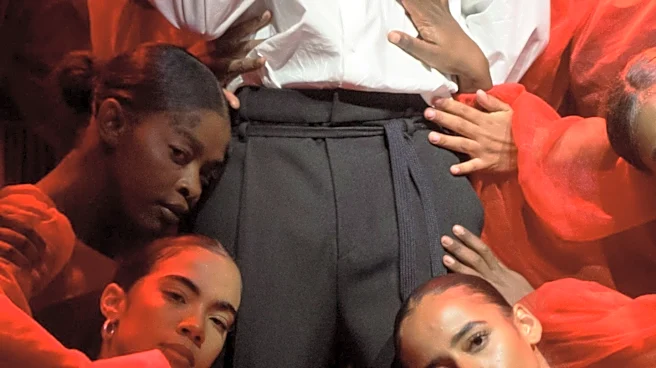
Kendrick Lamar is featured on the new single 'How to Pray' by producer Dahi, which also includes Amber Mark. This track is part of Dahi's debut solo album, 'Black Boy (Alternative)', released recently. The music video for 'How to Pray' is designed for a unique
viewing experience, requiring two separate phones to be placed side-by-side to complete the visual narrative. This split-screen format, which Dahi previously used for his track 'Find Me' featuring Moses Sumney and Mez, aims to foster human connection and shared viewing. Dahi, a Grammy-winning producer, has a long-standing creative relationship with Lamar, having contributed to his albums 'good kid, m.A.A.d city', 'DAMN.', and 'Mr. Morale & the Big Steppers'. His debut album, 'Black Boy (Alternative)', is an 11-track record that blends hip-hop and R&B with alternative and rock influences, exploring themes of Black identity. The album also features collaborations with artists such as Childish Gambino, Vince Staples, and Ravyn Lenae.
Why It's Important?
This collaboration is significant for several reasons within the music industry. For Kendrick Lamar, it demonstrates his continued support for fellow artists and producers, particularly those with whom he has a history of successful collaborations. His involvement brings considerable attention to Dahi's debut solo project, leveraging Lamar's widespread influence and critical acclaim. For Dahi, 'Black Boy (Alternative)' marks a pivotal transition from a behind-the-scenes producer to a lead artist, showcasing his artistic vision and versatility across genres. The innovative split-screen music video format for 'How to Pray' could also set a new trend in music video production, encouraging interactive and communal viewing experiences. This approach highlights a potential shift in how artists engage with their audience, moving beyond traditional passive consumption. The album's exploration of Black identity through a blend of diverse musical styles contributes to the evolving landscape of contemporary music, offering a fresh perspective on genre boundaries and cultural expression.
What's Next?
Following the release of 'Black Boy (Alternative)' and the 'How to Pray' single, Dahi is likely to focus on promoting his debut album. This could involve further music video releases, interviews, and potentially live performances or a tour to support the project. The unique format of the 'How to Pray' music video may inspire other artists and producers to experiment with similar interactive visual experiences, potentially leading to new trends in music video production and audience engagement. Kendrick Lamar's continued presence in such collaborations suggests he will remain an influential figure in supporting emerging and established talent within the hip-hop and R&B communities. The album's diverse influences and thematic depth could also spark discussions about genre fluidity and the representation of identity in music, influencing future artistic directions within the industry. The success of this project could solidify Dahi's position as a prominent artist in his own right, beyond his acclaimed production work.
Beyond the Headlines
The collaboration between Dahi and Kendrick Lamar on 'How to Pray' and 'Black Boy (Alternative)' extends beyond a typical musical release, touching upon deeper cultural and artistic implications. Dahi's intentional blending of hip-hop, R&B, alternative, and rock music, coupled with his exploration of Black identity, reflects a broader movement in contemporary art to challenge conventional genre classifications and narratives. This project serves as a testament to the power of artistic collaboration in pushing creative boundaries and fostering innovation. The interactive nature of the 'How to Pray' music video, requiring shared viewing, subtly critiques the increasingly isolated experience of digital media consumption. By encouraging physical proximity and shared engagement, Dahi is advocating for a return to communal experiences, even within a digital framework. This approach highlights the potential for technology to facilitate connection rather than solely individual consumption, offering a commentary on modern social dynamics and media interaction. The album's themes also contribute to ongoing dialogues about self-definition and cultural representation in the arts.