





What's Happening?
Menopause significantly impacts skin health due to the decline in estrogen levels, leading to various changes such as dryness, thinning, increased sensitivity, and accelerated aging, according to Maven Clinic. Estrogen plays a crucial role in maintaining
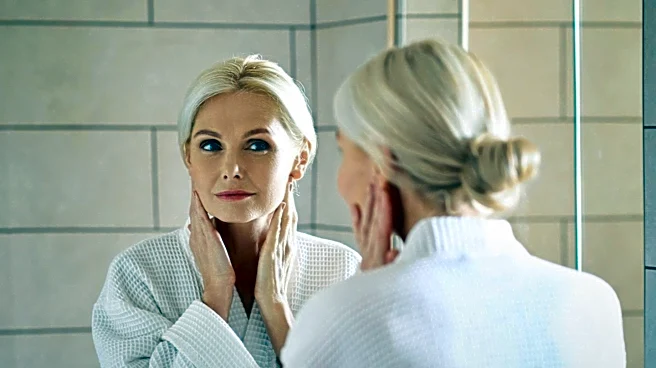
skin's collagen, elastin, hydration, and natural oils. As estrogen levels drop, particularly in the first five years post-menopause, skin can lose up to 30% of its collagen, followed by a 2% annual decline. This loss of structural proteins results in wrinkles and sagging. Additionally, reduced estrogen affects the balance of hyaluronic acid, ceramides, and sebum, making skin drier and less plump. Common symptoms include increased dryness, itchiness, sensitivity to products, easy bruising, and even acne or facial hair due to an imbalance with testosterone. Rosacea can also be triggered or worsened by hot flashes, which are linked to estrogen variations.
Why It's Important?
These menopausal skin changes are not merely cosmetic; they can significantly impact a woman's comfort, self-esteem, and overall skin barrier function, making it more vulnerable to external irritants and damage. The decline in skin health can lead to chronic discomfort, increased risk of skin conditions, and a perceived acceleration of aging, which can affect mental well-being. Understanding these physiological changes is crucial for developing effective skincare routines and medical interventions. While hormone replacement therapy (HRT) is not prescribed solely for skin, it has shown benefits in improving skin elasticity and thickness. The need for specialized care and research into ingredients like isoflavones and estrogen face creams highlights a growing demand for solutions tailored to menopausal skin, impacting the dermatology and cosmetic industries.
What's Next?
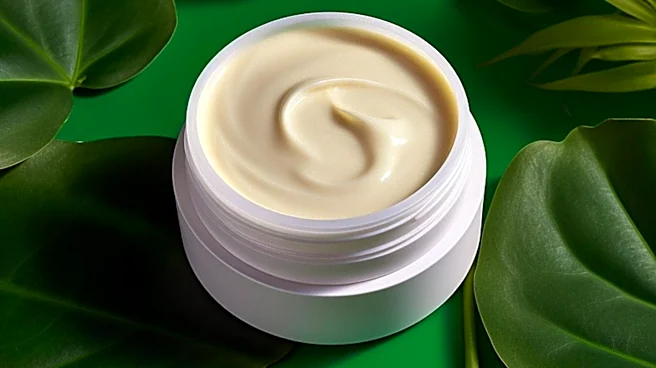
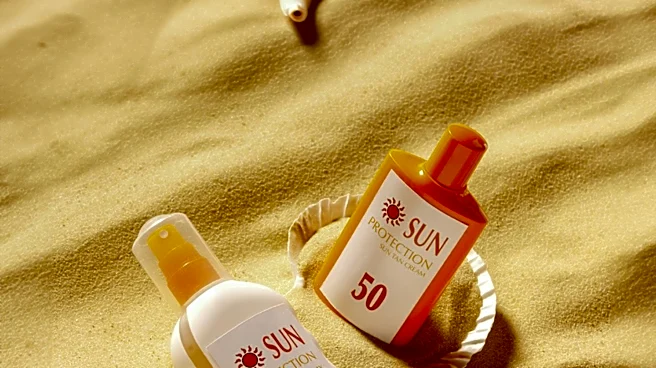
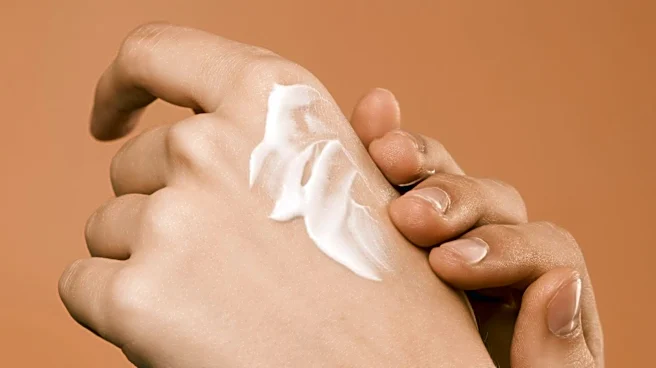
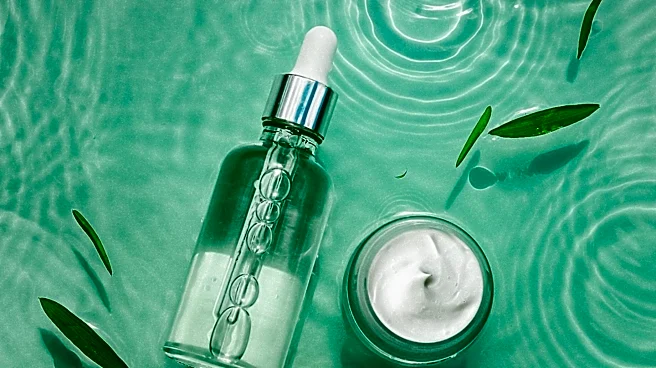
Women experiencing menopausal skin changes are advised to adjust their daily skincare routines to include gentle cleansing, moisturizing while skin is damp, and consistent use of broad-spectrum SPF 30+ sunscreen. Key ingredients like retinoids (vitamin A derivatives) and vitamin C are recommended for their collagen-boosting properties. Retinoids speed up cell turnover, while vitamin C is essential for collagen production. Consulting a board-certified dermatologist is recommended for personalized treatment plans and stronger prescription options. Further research is needed to establish the efficacy and safety of treatments like isoflavones and estrogen face creams. The focus will likely be on developing more targeted products and therapies that address the specific hormonal changes affecting menopausal skin.
Beyond the Headlines
The impact of menopause on skin health extends beyond individual experience, highlighting a broader societal and scientific need for greater understanding and support for women's health during this life stage. The emphasis on specific ingredients and routines reflects a growing market for age-specific skincare, but also points to the importance of evidence-based approaches in an industry often driven by trends. The discussion around HRT and topical estrogen creams also touches on the ongoing debate about hormonal interventions and their benefits versus risks. Ultimately, addressing menopausal skin changes requires a holistic approach that combines medical knowledge, informed consumer choices, and a societal shift towards normalizing and supporting the physiological transitions women experience.