




What's Happening?
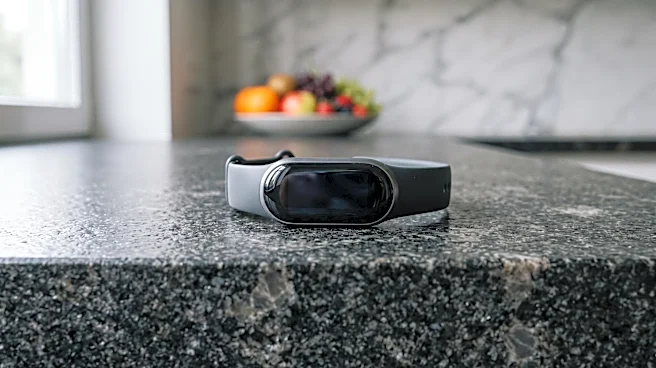
The Fitbit Air has emerged as the top-selling smartwatch among ZDNET readers in 2026, according to a review of products purchased through links in ZDNET content. This screenless fitness tracker is praised for its seven-day battery life and a discreet
design that resembles a bracelet rather than a traditional health tracker. Priced at $100 without promotions, the Fitbit Air is noted for its comfort during workouts and sleep. Google's Health app, which integrates with Fitbit devices, offers an engaging interface displaying metrics such as weekly cardio capacity, sleep score, and readiness. The device's popularity underscores a consumer preference for wearable technology that offers extensive functionality without the bulk or screen of conventional smartwatches. Other popular devices include the Apple Watch Series 11 and various Garmin models, but the Fitbit Air leads in reader purchases.
Why It's Important?
The significant sales of the Fitbit Air among ZDNET readers indicate a notable trend in the U.S. wearable technology market: a strong demand for minimalist and long-lasting fitness trackers. This preference suggests that a segment of consumers prioritizes core health tracking and extended battery life over advanced smartwatch features like notification alerts or large displays. For companies like Google, which owns Fitbit, this trend highlights the importance of diversifying their product offerings to cater to different user needs and preferences. It also challenges the notion that more features always equate to greater appeal, suggesting that simplicity and practicality can be powerful selling points. The success of the Fitbit Air could influence future product development in the wearable tech industry, potentially leading to more discreet and battery-efficient devices.
What's Next?
The continued success of the Fitbit Air is likely to encourage Google and other wearable technology manufacturers to invest further in screenless or minimalist fitness trackers. This could lead to new product iterations that enhance battery life, improve sensor accuracy, and integrate more seamlessly with health ecosystems like Google's Health app. Consumers can expect to see more options that prioritize comfort, discretion, and essential health monitoring. The competitive landscape may also shift, with companies focusing on optimizing the balance between features and form factor to capture different market segments. Furthermore, the emphasis on long battery life and discreet design could become a key differentiator in a crowded market, influencing marketing strategies and product positioning for upcoming wearable releases.
Beyond the Headlines
The popularity of the Fitbit Air reflects a broader cultural shift towards integrating technology into daily life in a less intrusive manner. In an era where digital overload is a growing concern, devices that offer health benefits without constant screen interaction or notification bombardment resonate with consumers seeking a more balanced digital lifestyle. This trend extends beyond just fitness trackers, hinting at a desire for 'invisible tech' that enhances well-being without demanding constant attention. The ethical implications of data privacy and security, particularly with health metrics, remain a critical consideration for these devices. As more personal health data is collected, the responsibility of companies like Google to protect this information becomes paramount, influencing consumer trust and regulatory scrutiny in the long term.