



What's Happening?
Rebecca Maxwell, founder of the Cleveland-based fashion brand Two One Thrift, has relaunched her business with a new focus after receiving a cease-and-desist letter from the Coalition to Advance the Protection of Sports Logos. For nearly seven years,
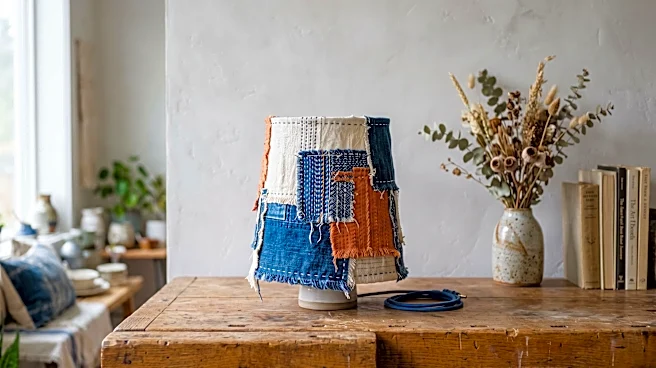
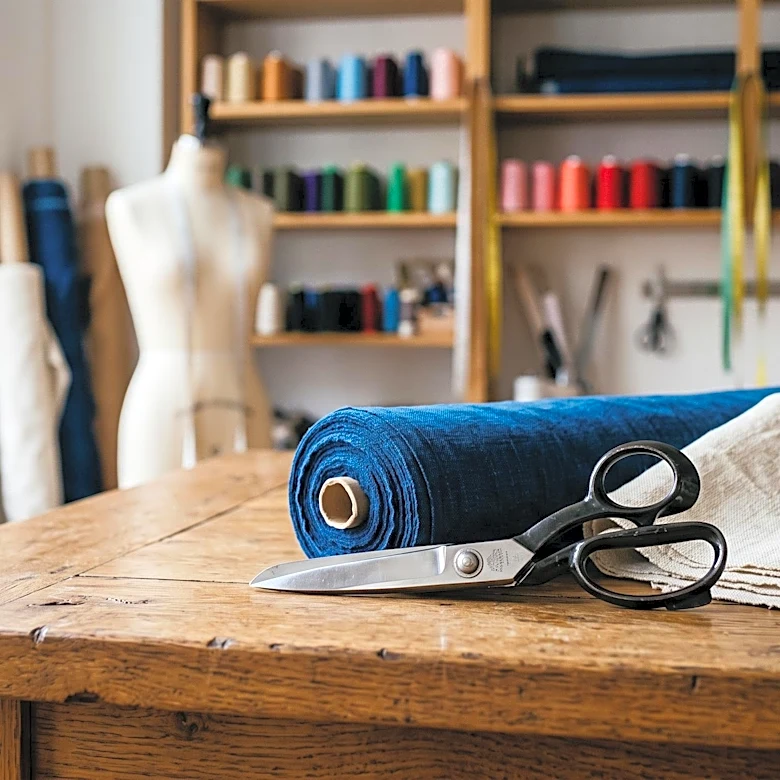
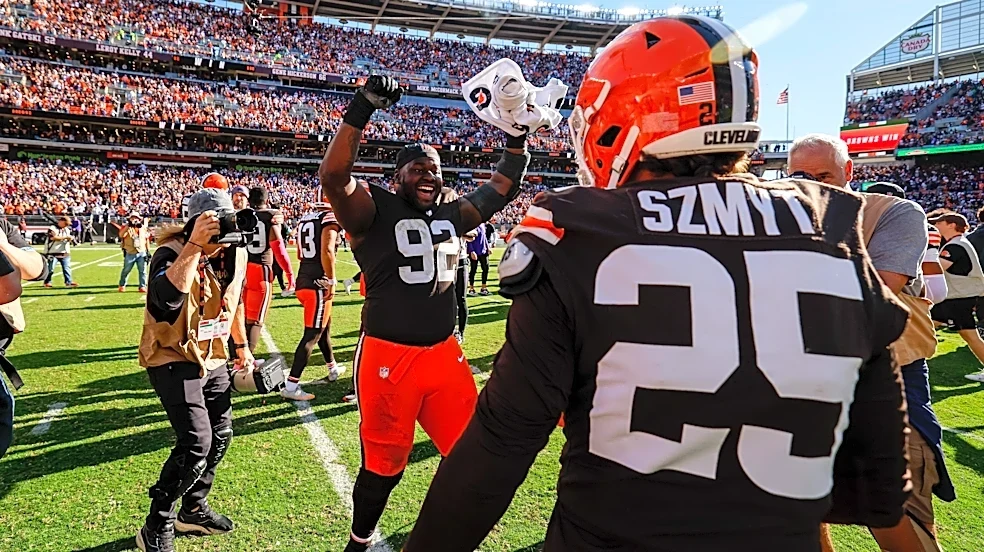
Maxwell's brand specialized in upcycling Cleveland sportswear, modifying items with bleaching, cutting, painting, and decals. The Coalition, which represents major sports leagues like the NBA, MLB, NFL, Collegiate Licensing Company, and NHL, alleged trademark infringement. Maxwell was instructed to remove all infringing products from her site and social media and provide financial records. While her items were not considered counterfeit, as they were significantly altered, the Coalition has the authority to intervene if they believe their trademarks are being infringed upon or competing with their products. Maxwell has complied with the request and shifted her creative efforts towards home decor, including lampshades made from thrifted fabrics, and painted antique portraits. She will continue to sell vintage clothing and make jeans and shirts with added details, but without affiliation to specific sports teams.
Why It's Important?
This development highlights the complex intersection of intellectual property law, small business innovation, and the growing upcycling movement in the U.S. The Coalition's action against Two One Thrift underscores the strict enforcement of trademark rights by professional sports leagues, even against businesses that significantly alter branded merchandise. This case could set a precedent or serve as a cautionary tale for other small businesses and artisans who repurpose branded goods, potentially stifling creative upcycling efforts. It also brings to light the legal nuances of what constitutes trademark infringement, particularly when items are modified rather than directly counterfeited. For consumers, it means a potential reduction in unique, upcycled sports-themed apparel, pushing creators towards less legally contentious avenues like general vintage wear or home decor. The incident also emphasizes the power dynamics between large organizations protecting their brands and individual entrepreneurs seeking to create sustainable and unique products.
What's Next?
Following the relaunch, Rebecca Maxwell will continue to develop her new line of home decor items, such as lampshades and painted antique portraits, and expand her offerings in general vintage clothing. She plans to sell jeans and shirts with unique details, ensuring no affiliation with specific sports teams to avoid further legal issues. Any sportswear she acquires will be sold as-is at thrift-store prices. This shift indicates a strategic pivot to maintain her business while adhering to trademark regulations. Other small businesses engaged in upcycling branded merchandise may need to review their practices to ensure compliance with intellectual property laws, potentially leading to a broader re-evaluation of how upcycled goods are created and marketed in the U.S. The incident may also prompt discussions within the upcycling community about navigating trademark boundaries.
Beyond the Headlines
The situation with Two One Thrift delves into the broader ethical and legal considerations surrounding upcycling and intellectual property. While upcycling promotes sustainability by giving new life to discarded items, it often involves using existing materials that may carry trademarks. This raises questions about the balance between fostering environmental responsibility and protecting brand identity. The legal interpretation of 'confusion' in trademark law becomes critical; while Maxwell's products were distinct, the use of team logos, even altered, was deemed problematic. This case could influence how intellectual property holders view and act upon the upcycling of their branded products, potentially leading to more stringent enforcement or, conversely, inspiring new licensing models for upcyclers. It also highlights the creative resilience of entrepreneurs like Maxwell, who adapt their business models in response to legal challenges, pushing the boundaries of sustainable fashion and design into new categories.