







What's Happening?
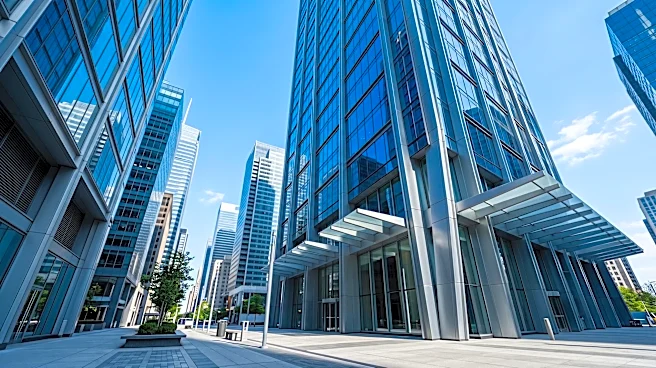
BXP, formerly Boston Properties, has received an 18-month extension on the entitlements for its proposed 981,000-square-foot office development at Fourth and Harrison in San Francisco's Central SoMa neighborhood. The project, initially approved with a $1
billion investment in January 2020, was put on hold due to the COVID-19 pandemic and the subsequent shift to remote work. Now, more than six years later, BXP executives, including Senior Vice President of Development Aaron Fenton and project manager Alex Weinberg, presented their case to the San Francisco Planning Commission. They highlighted a resurgence in the San Francisco leasing market, particularly driven by fast-growing Artificial Intelligence companies. The development is part of a larger rezoning effort in Central SoMa aimed at encouraging the construction of housing units and office space along the new Central Subway route. Despite current high interest rates and construction costs, BXP believes the project is becoming increasingly viable due to the AI-fueled leasing boom, with significant tenant demand being tracked in the marketplace.
Why It's Important?
This development signifies a potential turning point for San Francisco's commercial real estate market, which faced significant challenges during the pandemic. The decision by BXP to move forward with a speculative $1 billion office project, even without a pre-committed tenant, underscores a renewed confidence in the city's economic future, particularly in the tech sector. The strong demand from AI companies, such as OpenAI and Anthropic, for large office spaces suggests a shift in work patterns for this rapidly expanding industry, potentially counteracting the broader work-from-home trend. This could lead to job creation, increased economic activity, and a revitalization of downtown San Francisco. The project's inclusion of a daycare center, retail, and land dedication for affordable housing also indicates a commitment to broader community development, addressing critical needs within the city. The success of this project could encourage other developers to resume stalled projects, further boosting the city's recovery.
What's Next?
With the 18-month extension secured, BXP will continue actively marketing the 725 Harrison St. project to secure a tenant. The company's executives have indicated that financing the project without some pre-leased space remains challenging due to high interest rates and construction costs. Therefore, the immediate next step involves intensive efforts to attract a major tenant, likely an AI firm, to anchor the development. The success of these marketing efforts will determine the project's timeline for breaking ground. The broader implications include continued monitoring of the San Francisco commercial real estate market for further signs of recovery and growth, especially in the AI sector. Other developers with stalled projects in the Central SoMa area will likely observe BXP's progress closely, as it could set a precedent for future developments in the region. The city's planning commission will also be watching to see if the rezoning efforts achieve their intended goals of increasing both housing and office space.
Beyond the Headlines
The revival of this $1 billion office development in San Francisco highlights a fascinating dynamic in the post-pandemic economy: while many industries have embraced remote work, the burgeoning Artificial Intelligence sector appears to be driving a renewed demand for physical office spaces. This suggests that certain innovative and collaborative industries may still find significant value in co-located teams, potentially for fostering rapid innovation, complex problem-solving, and a strong corporate culture. The project also touches upon the broader urban planning challenges faced by major U.S. cities, balancing economic development with social needs like affordable housing and community amenities. The commitment to include a daycare center and land for affordable housing within a commercial development reflects an evolving understanding of corporate responsibility and the need for integrated urban solutions. This could set a precedent for future large-scale developments, emphasizing a more holistic approach to urban growth that considers both economic prosperity and social equity.