





What's Happening?
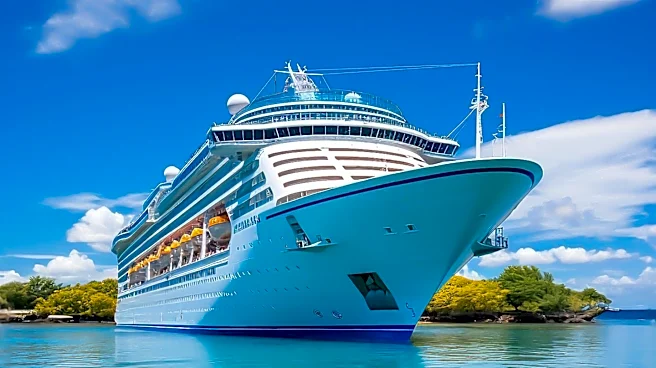
Royal Caribbean's Freedom of the Seas cruise ship provides a wide array of dining experiences, catering to various preferences and budgets. The ship offers numerous complimentary dining venues, such as the Main Dining Room, Windjammer Marketplace, Sorrento’s
Pizza, Café Promenade, and El Loco Fresh. These options ensure that guests can enjoy diverse meals without incurring additional costs. For those seeking more exclusive culinary experiences, specialty restaurants like Chops Grille, Giovanni’s Italian Kitchen, Izumi Hibachi & Sushi, and Chef’s Table are available for an extra charge. Johnny Rockets and Playmakers also have additional costs for their food. The Main Dining Room offers a rotating menu with varied main courses, including hearty options like beef and lamb, seafood, pasta, and international specialties, alongside familiar favorites. Windjammer Marketplace provides a buffet with extensive choices for breakfast, lunch, and dinner, while El Loco Fresh offers Mexican-style favorites. Sorrento’s Pizza and Café Promenade are ideal for quick bites and late-night snacks. Reservations are recommended for specialty restaurants, particularly for popular choices like Chef’s Table, Chops Grille, Giovanni’s, and Izumi, to secure preferred dining times.
Why It's Important?
The diverse dining options on Freedom of the Seas are important for the U.S. cruise industry as they reflect a broader trend of offering customizable vacation experiences. By providing both extensive complimentary choices and premium specialty restaurants, Royal Caribbean appeals to a wider demographic, from budget-conscious travelers to those seeking luxury dining. This strategy enhances customer satisfaction and encourages repeat business, which is crucial for the competitive cruise market. The availability of various cuisines, including Italian, Japanese, and American, caters to diverse palates, making the cruise experience more appealing to families and groups with different preferences. The emphasis on flexibility, such as walk-in options for casual venues and the ability to check menus via the Royal Caribbean app, improves the overall guest experience. This approach also highlights the economic impact of cruise lines on local economies, as they source food and beverages, and employ a large workforce, contributing to the tourism sector's growth.
What's Next?
Looking ahead, Royal Caribbean is likely to continue refining its dining programs based on guest feedback and evolving culinary trends. The cruise line may introduce new specialty dining concepts or update existing menus to keep the offerings fresh and appealing. There could be an increased focus on incorporating sustainable and locally sourced ingredients, aligning with growing consumer demand for environmentally conscious practices. The use of technology, such as the Royal Caribbean app for reservations and menu viewing, is expected to expand, further streamlining the dining experience. Additionally, the cruise industry might see more personalized dining options, potentially leveraging AI to suggest meals based on guest preferences and dietary restrictions. The pricing structure for specialty dining, which currently uses dynamic pricing, may also be adjusted to optimize revenue and guest satisfaction. The ongoing evolution of dining experiences will be critical for Royal Caribbean to maintain its competitive edge and attract new passengers in the U.S. market.
Beyond the Headlines
Beyond the immediate dining experience, the array of food options on Freedom of the Seas reflects deeper cultural and societal shifts. The emphasis on diverse cuisines caters to an increasingly multicultural U.S. population, where varied culinary traditions are celebrated. The availability of vegetarian, vegan, and gluten-free options underscores a growing awareness of dietary needs and health-conscious choices, indicating a broader societal trend towards personalized wellness. The choice between complimentary and specialty dining also highlights economic stratification, allowing guests to tailor their vacation spending according to their financial comfort. Furthermore, the cruise ship's dining environment serves as a microcosm of social interaction, where shared meals foster community and connection among passengers. The strategic use of dining as a key component of the overall cruise experience demonstrates how leisure industries adapt to consumer demands for both value and luxury, influencing broader trends in hospitality and tourism.