







What's Happening?
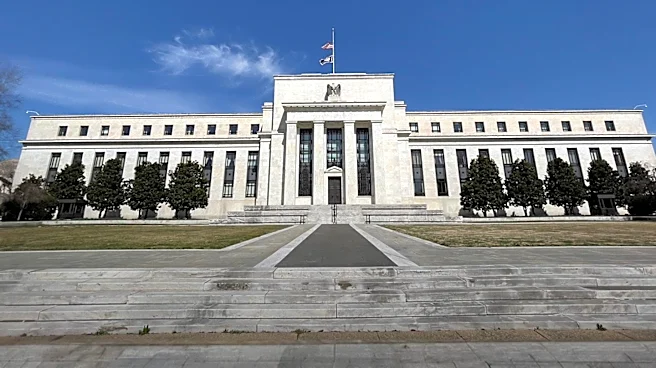
The Federal Reserve Board and the Federal Deposit Insurance Corporation (FDIC) have jointly issued notices of proposed rulemaking to modernize and revise regulations governing extensions of credit by banking organizations to executive officers, directors,
principal shareholders, and their related interests, known as Reg O lending requirements. These Proposed Rules aim to substantially increase several longstanding dollar thresholds, provide for periodic adjustments to these thresholds, and clarify existing regulatory provisions. The last significant updates to insider lending requirements occurred in 1979. The proposed changes include increasing the credit card indebtedness exclusion from $15,000 to $60,000, the interest-bearing overdraft credit plan exception from $5,000 to $20,000, and the inadvertent overdraft exception from $1,000 to $4,000. Additionally, executive officer loans for 'other purposes' would increase from $100,000 to the lesser of $400,000 or 2.5% of unimpaired capital and surplus. The insider credit threshold requiring prior board approval would rise from $500,000 to the lesser of $2,000,000 or 5% of unimpaired capital and surplus, and the public disclosure threshold would increase from $500,000 to $2,000,000.
Why It's Important?
If adopted, these Proposed Rules could significantly reduce compliance and administrative burdens associated with insider lending, particularly for community banks. The FDIC noted that current prior-approval requirements can divert bank board attention from other critical responsibilities, such as overseeing material financial risks. The existing thresholds may also disproportionately affect community banks in areas with limited banking alternatives, where insiders might have fewer options for obtaining credit elsewhere. By increasing these thresholds and providing for their periodic adjustment based on nominal gross domestic product growth, the regulations would become more relevant to the current economic environment and prevent them from becoming outdated. This modernization aims to streamline operations for banks while maintaining the fundamental framework of insider lending restrictions, including preferential terms and lending limits.
What's Next?
Comments on both Proposed Rules are due by October 5, 2026. After the comment period closes, the Federal Reserve and the FDIC will review the feedback received from the banking industry and other stakeholders. Based on these comments, the agencies may make further revisions before finalizing the rules. If adopted, the new regulations will require banking organizations to update their internal policies and procedures related to insider lending. Community banks, in particular, will need to assess how the increased thresholds and clarified provisions impact their compliance frameworks and operational efficiency. The periodic adjustment mechanism for dollar thresholds will also necessitate ongoing monitoring by financial institutions to ensure continued compliance.
Beyond the Headlines
The proposed changes to insider lending regulations highlight a broader regulatory trend towards adapting long-standing rules to modern financial realities. The fact that these thresholds have remained largely unchanged since 1979 underscores the need for periodic review and adjustment to prevent regulations from becoming obsolete or unduly burdensome. This initiative reflects a recognition that while oversight of insider transactions is crucial for preventing conflicts of interest and maintaining financial integrity, overly stringent or outdated rules can hinder the efficient operation of financial institutions, especially smaller ones. The move to incorporate periodic adjustments based on economic growth suggests a more dynamic approach to regulation, aiming for a framework that can evolve with the economy rather than requiring infrequent, large-scale overhauls. This could set a precedent for how other financial regulations are reviewed and updated in the future.