





What's Happening?
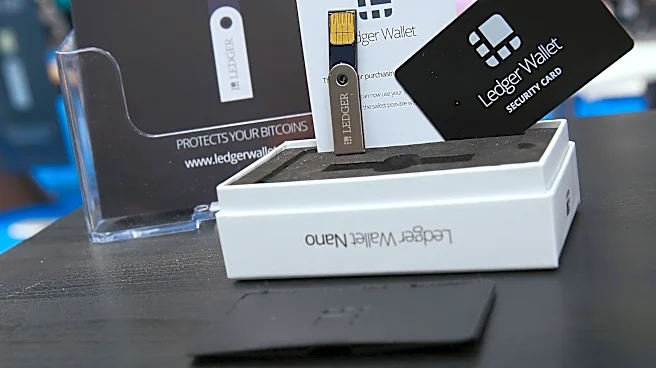
Vitalik Buterin, co-founder of Ethereum, has advocated for increased transparency in semiconductor design to bolster the security of cryptocurrency hardware wallets. In a blog post on November 26, Buterin highlighted the risks associated with tampered
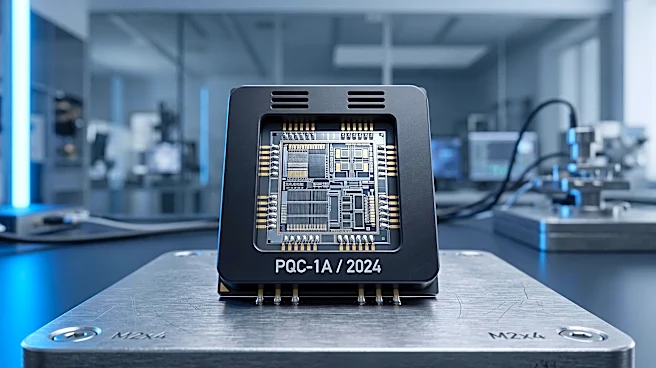
hardware wallets, where criminals could modify devices to obtain sensitive recovery information without detection. He argued that while software can be open-sourced and reviewed, proprietary chips leave a critical part of the system vulnerable to unauthorized modifications. Buterin proposed that manufacturers should publicly release detailed chip layouts, specifically Graphic Design System (GDS) files, which show the exact arrangement of electronic components. This would enable independent researchers to audit manufactured chips against their original designs, identifying any malicious alterations. He cited several manufacturers, including GlobalFoundries in Singapore and SkyWater in Minnesota, that already provide publicly accessible chip development resources, suggesting a realistic target for open-source manufacturing at around 25 nanometers for everyday computing needs.
Why It's Important?
This call for open-source chip designs is crucial for the cryptocurrency ecosystem, particularly for users relying on hardware wallets for secure storage of their digital assets. The current opacity in hardware manufacturing creates a significant security vulnerability, as users cannot fully trust the integrity of their devices if the underlying chips are not auditable. If adopted, Buterin's proposal could establish a new standard for hardware security in the crypto space, fostering greater trust and potentially preventing substantial financial losses due to hardware tampering. It would empower independent auditors and researchers to verify the physical security of devices, moving beyond mere software audits. This initiative could also influence the broader semiconductor industry, pushing for more transparency and potentially creating a specialized market for security-focused chips, even if they operate with slightly less efficiency than their proprietary counterparts.
What's Next?
The immediate next steps would involve semiconductor manufacturers considering Buterin's recommendations and potentially engaging with the cryptocurrency community to explore the feasibility of open-sourcing chip designs. This could lead to the development of industry standards for transparency and auditability in hardware wallet production. Researchers might also begin to develop methodologies for independent physical inspections using techniques like infrared imaging, as suggested by Buterin, to detect unauthorized modifications. The long-term impact could see a bifurcation in the semiconductor market, with some manufacturers specializing in highly transparent, security-focused chips for critical applications like cryptocurrency storage, while others continue to prioritize performance for general computing and advanced AI. The adoption of these practices would likely be a gradual process, requiring collaboration between hardware developers, security experts, and the broader crypto community.
Beyond the Headlines
The implications of Buterin's advocacy extend beyond just cryptocurrency security, touching upon broader themes of trust, transparency, and supply chain integrity in the digital age. The issue of hardware tampering highlights a fundamental challenge in securing complex technological systems: the difficulty of verifying the integrity of components at every stage of production. This concern is not unique to crypto wallets but applies to various critical infrastructure and consumer electronics. By pushing for open-source hardware, Buterin is essentially advocating for a more auditable and verifiable supply chain, which could have profound ethical and legal ramifications. It raises questions about intellectual property rights versus public security, and the responsibility of manufacturers to ensure the trustworthiness of their products. This movement could inspire similar calls for transparency in other sectors where hardware integrity is paramount, potentially leading to a paradigm shift in how hardware is designed, manufactured, and secured globally.