





What's Happening?
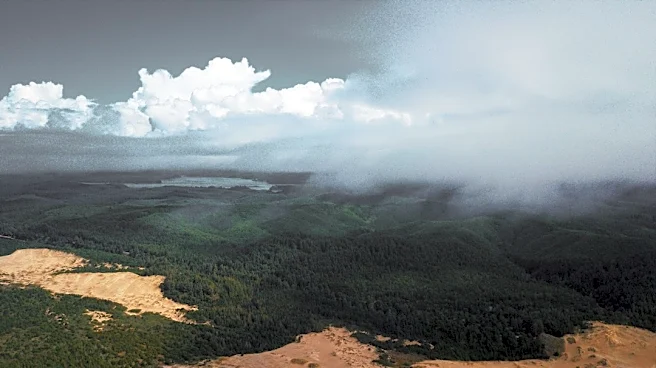
The U.S. Small Business Administration (SBA) has announced the availability of low-interest federal disaster loans for small businesses and private nonprofit organizations in Oregon. These loans are intended to help offset economic losses incurred due
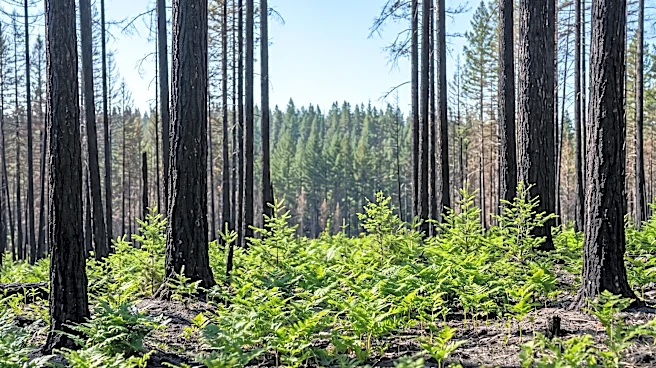
to severe storms and wildfires that occurred between July 15 and August 24. The disaster declaration was issued by the SBA following a request from Oregon Governor Tina Kotek on September 29. The affected areas include numerous counties in Oregon, as well as neighboring counties in Idaho and Washington. The Economic Injury Disaster Loan program is specifically designed for working capital needs caused by the disaster, even if the business or nonprofit did not sustain physical damage. These loans can be utilized to cover fixed debts, payroll, accounts payable, and other operational expenses that could not be met due to the disaster. Chris Stallings, Associate Administrator of the Office of Disaster Recovery at SBA, emphasized that these loans are crucial for recovery and play a key role in sustaining local economies.
Why It's Important?
This initiative is vital for the economic stability and recovery of communities in Oregon, Idaho, and Washington impacted by the mid-July severe storms and wildfires. Small businesses are often the backbone of local economies, and natural disasters can severely disrupt their operations, leading to job losses and broader economic downturns. By providing access to low-interest federal disaster loans, the SBA helps these entities maintain solvency, pay employees, and cover essential operating costs, preventing further economic hardship. The availability of up to $2 million in loans, with interest rates as low as 4% for businesses and 3.625% for private nonprofits, and terms up to 30 years, offers a significant financial lifeline. The deferment of interest accrual and payments for 12 months from the first disbursement provides critical breathing room for affected organizations to stabilize and rebuild without immediate financial pressure. This support not only aids individual businesses but also contributes to the overall resilience and recovery of the regional economy.
What's Next?
Eligible small businesses and private nonprofit organizations in the designated disaster areas can now apply for these low-interest federal disaster loans. Applications can be submitted online via the SBA website or by contacting the SBA’s National Support Network Center. The deadline for submitting economic injury applications to the SBA is July 1, 2027, providing a substantial window for affected entities to seek assistance. The SBA will determine eligibility, loan amounts, and terms based on each applicant’s financial condition. This process will involve assessing the economic impact of the disaster on individual businesses and nonprofits to tailor the support effectively. As businesses and nonprofits begin to access these funds, the focus will shift towards their recovery efforts and the gradual restoration of economic activity in the affected regions. The long application window suggests a sustained commitment from the SBA to support long-term recovery.
Beyond the Headlines
The provision of disaster relief loans by the SBA extends beyond immediate financial aid; it underscores the critical role of government intervention in mitigating the long-term societal and economic consequences of natural disasters. Beyond the direct financial impact on businesses, these loans help preserve local employment, maintain community services provided by nonprofits, and prevent a ripple effect of economic decline that could affect housing markets, consumer spending, and overall community well-being. The inclusion of private nonprofit organizations, including faith-based groups, highlights a recognition of their essential contributions to community support and recovery efforts. While agricultural producers, farmers, and ranchers are generally excluded from these specific loans, the broader disaster declaration acknowledges the widespread impact of such events. This federal response also serves as a crucial component of disaster preparedness and resilience strategies, demonstrating a commitment to supporting communities in the face of increasing climate-related challenges.