



What's Happening?
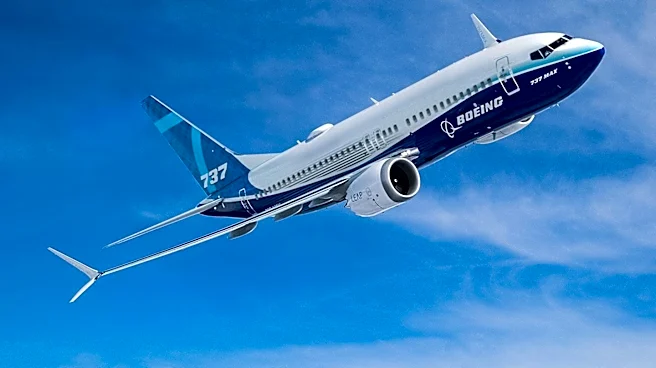
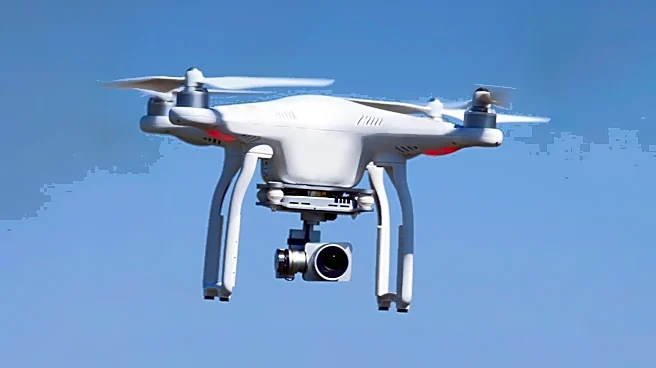
Boeing showcased its Ghost Bat drone at the Farnborough Airshow, highlighting its advancements in the race to develop autonomous uncrewed fighter jets. This competition involves major U.S. and European defense companies, including General Atomics, Anduril
Industries, Lockheed Martin, Northrop Grumman, and Airbus. The U.S. Air Force is actively pursuing these technologies, aiming to procure over 150 combat-capable Collaborative Combat Aircraft (CCA) by the end of the decade. Boeing's Ghost Bat, which has participated in multinational military exercises, is considered one of the most mature models in this emerging market. The U.S. Air Force has awarded production contracts to General Atomics and Anduril, with plans to select a primary provider by 2027.
Why It's Important?
The development of autonomous uncrewed fighter jets represents a significant shift in military strategy and technology, potentially reducing costs and increasing operational efficiency. These aircraft are expected to cost significantly less than traditional manned fighter jets, such as the F-35. The competition among defense companies could lead to rapid advancements in autonomous capabilities, impacting global defense markets and military tactics. The U.S. Air Force's investment in these technologies underscores the strategic importance of maintaining air superiority and adapting to modern warfare's evolving demands.
What's Next?
The U.S. Air Force will continue to evaluate and test various autonomous aircraft designs, with a decision on the primary provider for the CCA program expected by 2027. Companies like Boeing, General Atomics, and Anduril will likely intensify their efforts to refine and demonstrate their technologies. Additionally, European defense companies are developing their own programs, potentially leading to international collaborations and competition. The ongoing advancements in autonomous combat aircraft could influence future military procurement and strategy decisions globally.