

What's Happening?
Skincare experts are highlighting the importance of proper layering and application techniques for effective skin health. Dr. Janet Ip, a physician at Project Skin MD, advises applying products from lightest to heaviest and emphasizes the timing of certain
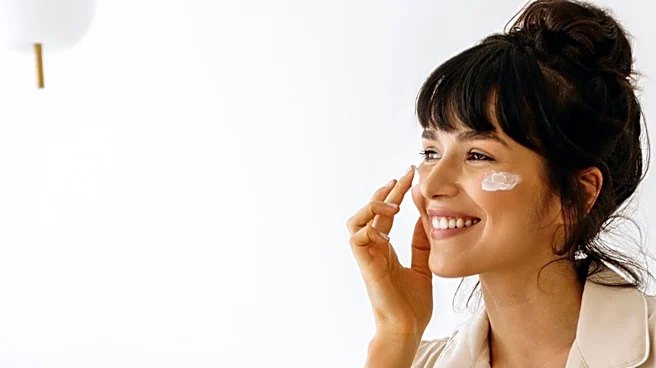
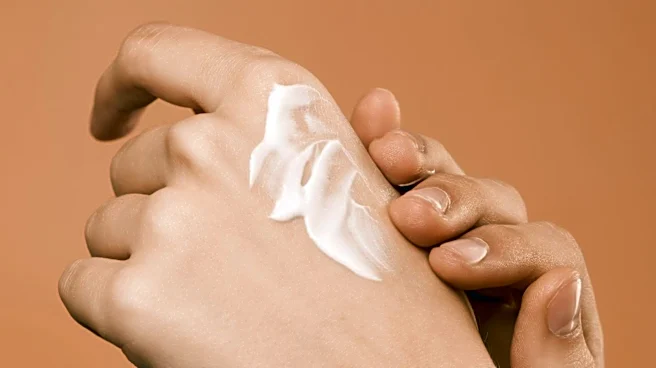
ingredients; for instance, vitamin C should be applied in the morning for UV protection, while retinol is best used at night as it breaks down in sunlight. Gretchen Oppenheim, a holistic esthetician, likens skincare routines to a sandwich, with cleansers and moisturizers as the bread and active ingredients like serums in the middle. Regine Perron, Clarins spa director, stresses gentle application methods, advocating for pressing rather than rubbing or massaging to avoid stretching the skin, especially as it ages.
Why It's Important?
The growing emphasis on precise skincare routines reflects a broader trend in the U.S. beauty and wellness industry towards informed consumer choices and personalized care. As consumers invest more in skincare products, understanding how to maximize their efficacy becomes crucial. This guidance helps individuals avoid common mistakes, such as over-exfoliation or incorrect product layering, which can lead to skin issues or diminish product benefits. For U.S. beauty brands, this trend signifies a need for clearer product instructions and educational content, potentially influencing product development towards more synergistic formulations and application-friendly designs. It also highlights the role of dermatologists and estheticians in guiding consumers through an increasingly complex market, impacting professional training and consumer education initiatives.
What's Next?
Consumers are likely to seek more detailed guidance on product application and ingredient timing, prompting beauty brands and skincare professionals to provide enhanced educational resources, such as tutorials and personalized consultations. The focus on intentional application, as suggested by Oppenheim, could lead to a greater appreciation for the ritualistic aspects of skincare, potentially influencing product packaging and marketing to emphasize mindful usage. Furthermore, the discussion around common mistakes, like not recognizing one's skin type or choosing trendy ingredients without understanding their benefits, suggests a future trend towards more diagnostic tools and personalized product recommendations within the U.S. skincare market, moving beyond generic routines to highly tailored approaches.
Beyond the Headlines
Beyond the immediate benefits of improved skin health, the detailed advice on skincare routines touches upon broader themes of self-care and wellness in American society. The act of mindfully applying products, as described by Oppenheim, transforms a daily chore into a meditative practice, aligning with a cultural shift towards holistic well-being. This approach encourages consumers to listen to their skin's needs and adjust their routines accordingly, fostering a deeper connection with their bodies. The expert recommendations also subtly challenge the consumerist impulse to constantly acquire new products, instead advocating for intentional use of existing ones. This could lead to a more sustainable approach to beauty, where quality and efficacy of application are prioritized over sheer quantity of products, potentially influencing long-term purchasing habits and brand loyalty in the U.S. market.