







What's Happening?
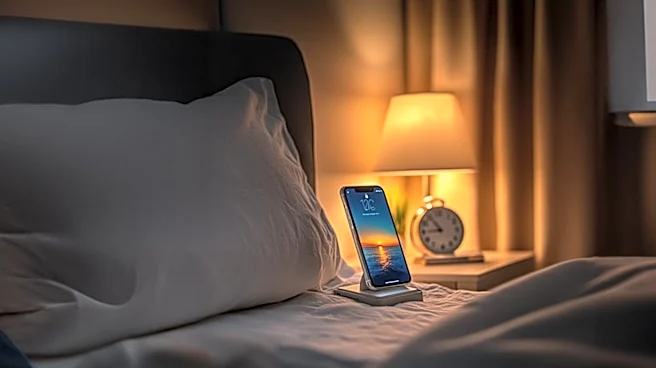
Smart hotels are increasingly integrating advanced technologies to enhance guest well-being, moving beyond traditional wellness offerings like spas and fitness centers. This new approach focuses on optimizing the entire guest experience, particularly
sleep. Hotels are now engineering rooms that can adapt to a guest's sleep cycle by adjusting environmental factors such as lighting, sound, and even bed settings. The goal is to create a more human-centric hospitality experience where technology works in the background to support guests' physical and mental states. This shift represents a broader trend in the hospitality industry to leverage automation and artificial intelligence not just for operational efficiency, but also to directly contribute to guest health and comfort. The emphasis is on creating an environment that intuitively responds to individual needs, allowing for better personalization and a more restorative stay.
Why It's Important?
This development is significant for the U.S. hospitality industry as it redefines the concept of luxury and guest service. By focusing on sleep optimization, hotels can differentiate themselves in a competitive market, attracting travelers who prioritize health and well-being. This trend could lead to increased investment in smart room technologies and partnerships with health tech companies, fostering innovation within the sector. For consumers, it means a potentially more rejuvenating travel experience, reducing the negative impacts of travel on sleep patterns. The integration of AI and automation in this manner also highlights a broader societal shift towards personalized wellness solutions, where technology plays a crucial role in managing individual health metrics. This could set new standards for guest expectations, pushing other industries to consider how technology can enhance personal well-being.
What's Next?
The future will likely see further advancements in personalized sleep technology within hotels, potentially including more sophisticated biometric monitoring and predictive analytics to anticipate guest needs. Hotels may also explore integrating these systems with wearable health devices, allowing for a seamless transition of personal wellness data. This could lead to a more holistic approach to guest care, where hotels offer tailored recommendations for activities, nutrition, and relaxation based on individual sleep patterns and preferences. Additionally, as these technologies become more prevalent, there will be a growing need for skilled professionals who can manage and maintain these complex systems, creating new job opportunities in the hospitality and tech sectors. The industry will also need to address privacy concerns related to collecting and utilizing guest health data.
Beyond the Headlines
Beyond the immediate benefits of improved sleep, this trend touches upon deeper ethical and cultural implications regarding the role of technology in personal life. The increasing ability of environments to 'exhale with you' and 'sync tone' raises questions about the boundaries between personal autonomy and technological intervention. While the intention is to enhance well-being, it also signifies a growing reliance on AI to manage fundamental human processes. This could lead to a re-evaluation of what constitutes a truly 'natural' or 'restorative' experience, and how much control individuals are willing to cede to automated systems for the sake of convenience and optimization. Furthermore, the focus on sleep optimization in hotels could influence broader architectural and design principles, promoting the creation of more health-conscious living and working spaces.