


What's Happening?
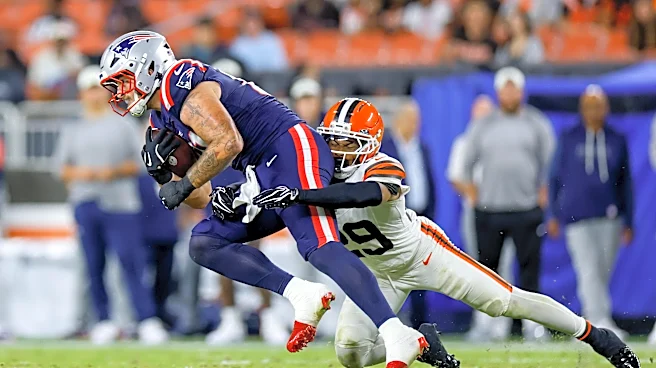
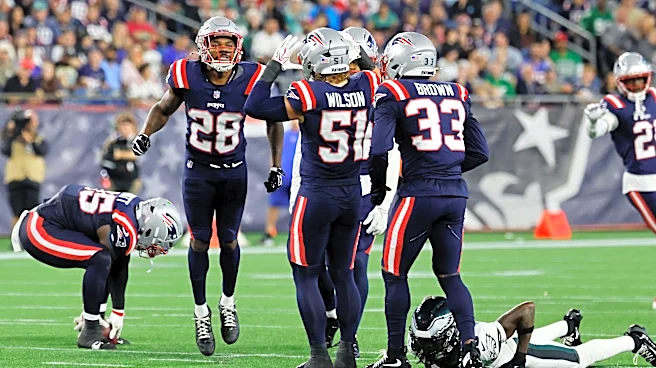
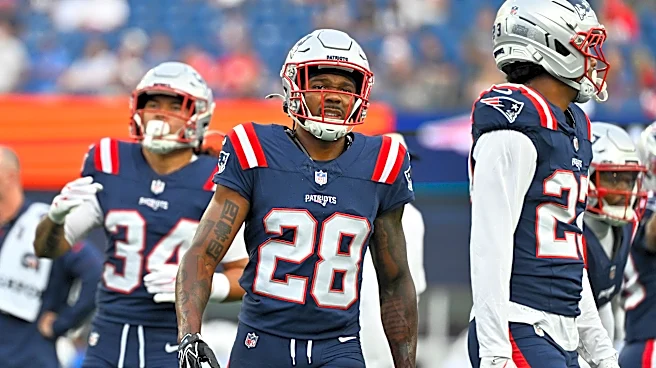
New England Patriots owner Robert Kraft's public statements regarding contract negotiations with star cornerback Christian Gonzalez have reportedly caused frustration for the player. Kraft publicly stated that the Patriots offered Gonzalez a contract that would
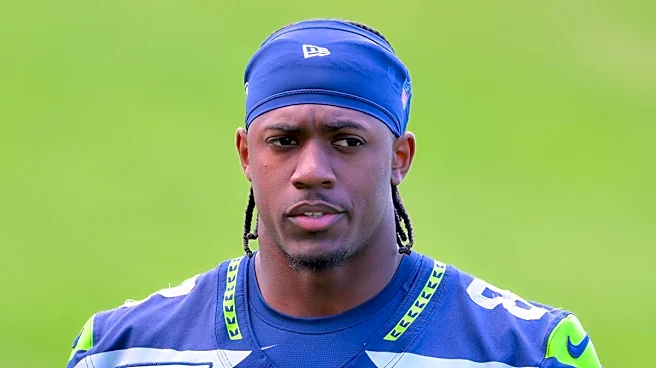
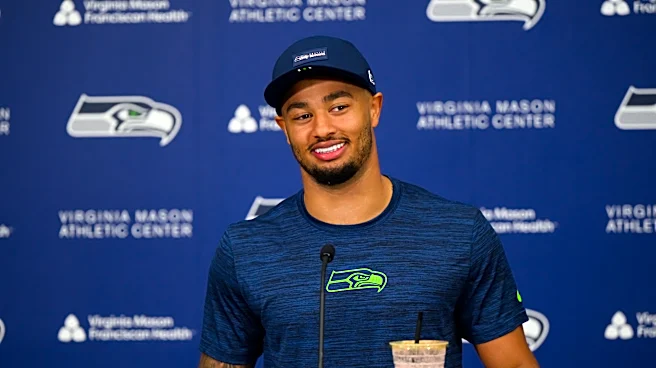
make him the highest-paid cornerback in the NFL and the highest-paid player in team history. However, according to NFL insider Jeremy Fowler of ESPN, Gonzalez did not appreciate these public remarks. The situation is further complicated by the recent four-year, $132 million deal signed by Devon Witherspoon of the Seattle Seahawks, which reset the market for cornerbacks. Reports from ESPN's Adam Schefter suggest that the Patriots' offers have not matched Witherspoon's deal, despite Kraft's claims. Gonzalez, who was a No. 17 pick in the 2023 draft and named to the Associated Press All-Pro second team in 2024, has expressed frustration with the ongoing negotiation process, stating he is trying to focus on the season. Patriots head coach Mike Vrabel acknowledged Gonzalez's feelings, while executive vice president of player personnel Eliot Wolf stated that Gonzalez is a priority for the team and they are working with his representation.
Why It's Important?
This situation is important for several reasons, impacting both the New England Patriots organization and the broader NFL player contract landscape. For the Patriots, failing to secure a long-term deal with Christian Gonzalez, a key defensive player, could destabilize team morale and performance. Public disagreements over contract terms, especially when the owner makes direct claims about offers, can create a perception of distrust between management and players. This could make future negotiations with other star players more challenging. From a league-wide perspective, the ongoing negotiation highlights the escalating market for top-tier talent, particularly in critical positions like cornerback. The benchmark set by Devon Witherspoon's contract puts pressure on other teams to meet or exceed similar figures for their elite players. If the Patriots are perceived as being unwilling to meet market value, it could affect their ability to attract and retain top talent in a highly competitive league, potentially impacting their long-term competitiveness and financial strategy.
What's Next?
The immediate next step involves continued negotiations between the New England Patriots and Christian Gonzalez's representatives. With the regular season approaching, there is increased urgency to finalize an agreement. ESPN's Adam Schefter predicts a potential push from both sides in the coming days to reach a deal, though significant progress is still needed. If an agreement is not reached before Week 1, Gonzalez's performance and focus could be impacted, potentially leading to further frustration or even a trade request, as suggested by some reports. The Patriots' executive vice president of player personnel, Eliot Wolf, has publicly stated that Gonzalez is a priority, indicating the team's desire to secure him long-term. However, the discrepancy between owner Robert Kraft's public statements and the reported reality of the offers will need to be addressed to rebuild trust and facilitate a resolution. The outcome of these negotiations will likely influence future contract discussions for other high-performing players across the NFL.
Beyond the Headlines
Beyond the immediate contract dispute, this situation touches upon the evolving dynamics of player-owner relationships in professional sports. Robert Kraft's public comments, intended perhaps to frame the team's position, inadvertently created tension and highlighted a potential disconnect between the front office's public narrative and the player's perception of the negotiations. This incident underscores the delicate balance owners and management must maintain in communicating about sensitive financial matters, especially with high-profile athletes. It also reflects a broader trend in the NFL where players, increasingly aware of their market value and the impact of new contracts on salary benchmarks, are less willing to accept offers perceived as below market rate. The situation could also influence how other teams approach contract talks, potentially leading to more discreet negotiations to avoid similar public friction. Ultimately, the resolution of this contract dispute will not only affect the Patriots' roster but also serve as a case study in the complexities of modern professional sports management and player empowerment.