






What's Happening?
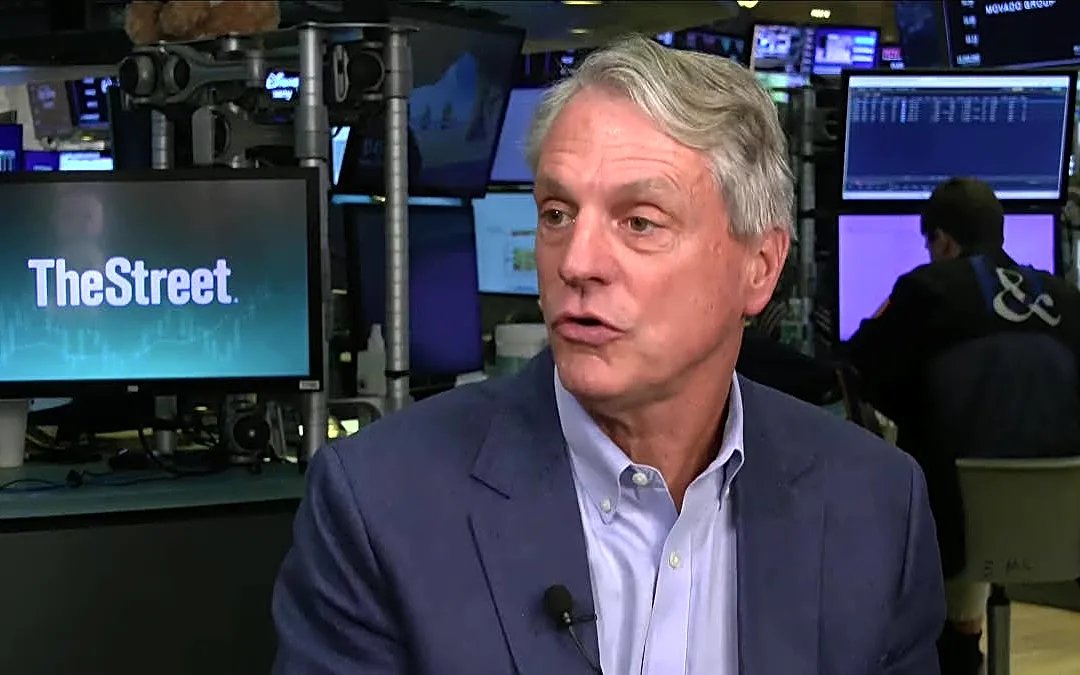
Bill Stone, the Chief Investment Officer (CIO) at Glenview Trust, has indicated that home improvement stocks, including prominent retailers like Lowe's, Home Depot, and Sherwin Williams, could serve as long-term value investments. This assessment is particularly
relevant if the current artificial intelligence (AI) cycle experiences a slowdown or cooling period. Stone suggests that while AI memory stocks, such as Micron, warrant close observation for signs of significant profits, the home improvement sector offers a different kind of investment opportunity, potentially acting as a hedge against volatility in the technology-driven market.
Why It's Important?
This perspective from a CIO highlights a strategic shift in investment thinking, moving beyond the immediate high-growth sectors like AI to consider more traditional, stable industries. For U.S. investors, this suggests a potential diversification strategy to mitigate risks associated with the cyclical nature of technology booms. A cooling AI cycle could lead to a reallocation of capital, and home improvement stocks, often seen as resilient due to ongoing consumer needs for housing maintenance and upgrades, could benefit from this. This analysis is crucial for financial advisors and individual investors looking to balance their portfolios and identify sectors that offer long-term value and stability amidst broader market fluctuations. It underscores the importance of evaluating diverse market segments for sustained growth potential.
What's Next?
Investors and financial analysts will likely monitor both the performance of AI-related stocks and broader economic indicators to assess the trajectory of the AI cycle. If signs of a slowdown emerge, there could be increased interest and investment flow into sectors like home improvement, validating Stone's perspective. Companies like Lowe's, Home Depot, and Sherwin Williams may see their stock valuations re-evaluated based on their perceived stability and long-term growth prospects, independent of technological trends. This could lead to a more balanced market, where traditional industries regain favor as reliable investment options, potentially influencing corporate strategies within these companies to capitalize on renewed investor confidence.
Beyond the Headlines
The CIO's statement subtly points to a broader economic discussion about the sustainability of rapid growth in technology sectors versus the enduring value of foundational industries. It raises questions about market bubbles and the eventual return to fundamentals. The home improvement sector, deeply tied to real estate and consumer spending on housing, represents a tangible and essential part of the economy. Its potential as an 'AI hedge' suggests a recognition that even in an increasingly digital world, physical infrastructure and consumer goods remain critical. This perspective encourages a holistic view of the economy, where innovation and traditional industries are not mutually exclusive but rather complementary components of a robust investment landscape, each offering unique risk-reward profiles.