




What's Happening?
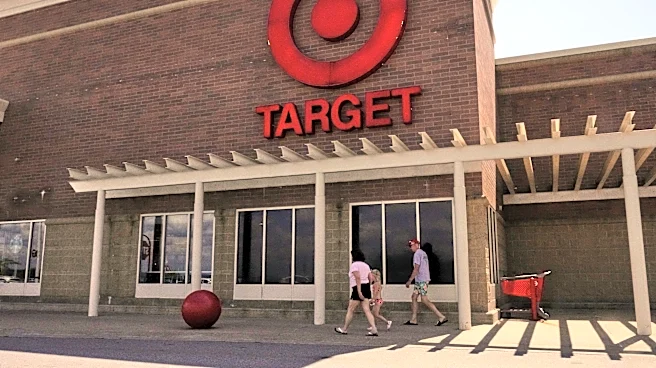
In January 2025, shortly after President Trump's inauguration, Target made a significant shift in its corporate strategy by abruptly rolling back its diversity, equity, and inclusion (DEI) goals. The company ended its Racial Equity Action and Change (REACH)
program and ceased participation in external benchmarks such as the Human Rights Campaign’s Corporate Equality Index. This decision led to immediate and widespread consumer backlash, resulting in boycotts that extended for over a year. According to Placer.ai, store foot traffic at Target fell by 9% in February 2025 and continued to decline year-over-year for four consecutive months, from February through May. Consequently, Target reported four straight quarters of year-over-year declines in comparable sales, concluding fiscal year 2025 with net sales down 1.7% to $104.8 billion and net earnings decreasing by 9.4% to $3.71 billion. This period marked a multiyear slump for the retailer, pushing its shares to a six-year low by late 2025.
Why It's Important?
Target's experience highlights the significant financial and reputational risks corporations face when altering their DEI commitments. The immediate and sustained consumer boycotts demonstrate the power of public sentiment and stakeholder expectations regarding corporate social responsibility. The substantial drop in sales, foot traffic, and net earnings underscores that DEI initiatives are not merely internal policies but are increasingly tied to brand perception and consumer loyalty. For other U.S. businesses, Target's situation serves as a case study on the potential negative consequences of perceived retreats from diversity and inclusion efforts. It suggests that such decisions can alienate a significant portion of the customer base, leading to tangible financial losses and a prolonged period of recovery, even if other factors like tariff refunds later contribute to a rebound.
What's Next?
Target's recovery in Q3, which saw a 5% rise in traffic and a 21% growth in adjusted EPS, is largely viewed as a rebound from its depressed 2025 performance rather than a complete turnaround. The company's Q3 earnings were significantly bolstered by $0.50 per share from tariff refunds, indicating that underlying sales performance without this windfall was less robust. The real test for Target is expected in the fourth quarter, particularly during the holiday shopping season, as the company will need to demonstrate sustained growth without further tariff refunds. A new CEO is also working to regain lapsed shoppers, and the success of Target's new Beauty Studio concept, launched after ending its partnership with Ulta Beauty, will be crucial in attracting higher-income customers and proving its ability to compete in the prestige beauty market independently.
Beyond the Headlines
The backlash against Target's DEI rollback points to a broader societal expectation for corporations to uphold and advance diversity and inclusion. This incident suggests that consumers are increasingly willing to use their purchasing power to influence corporate behavior on social issues. Beyond the immediate financial impact, such decisions can have long-term effects on a company's talent acquisition and retention, as employees, particularly from diverse backgrounds, may seek employers whose values align with their own. The episode also reflects the ongoing tension between different political and social viewpoints within the U.S., where corporate stances on DEI can become flashpoints for broader cultural debates, impacting business operations and market performance in unexpected ways.