





What's Happening?
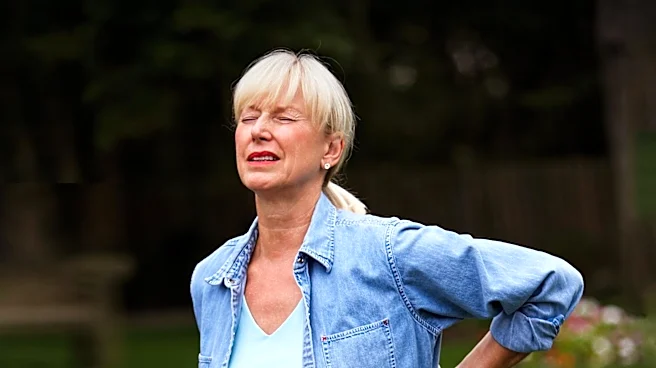
Post-menopausal women are being advised to incorporate standing routines and low-impact exercises into their daily lives to combat osteoporosis, a common chronic disease that leads to fractures and reduced mobility. The decline in estrogen levels after
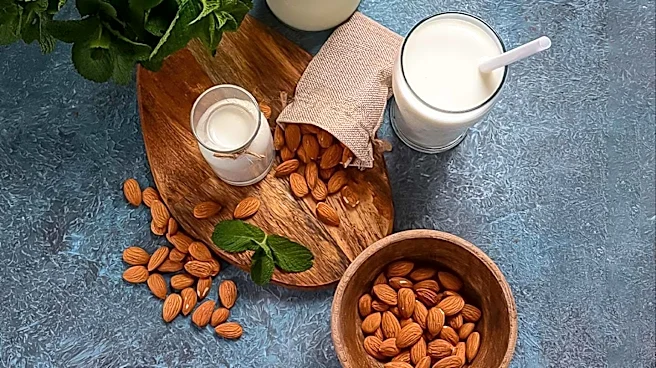
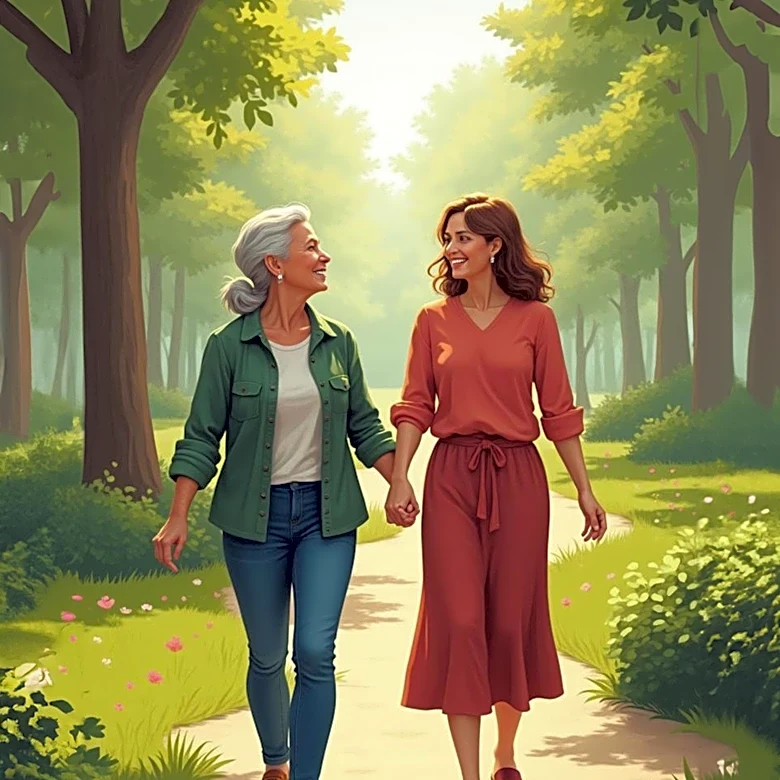
menopause accelerates bone loss, making women more susceptible to osteoporosis. Experts recommend activities such as rebounding, walking, tai chi, and balance exercises to improve bone density and aerobic fitness. Additionally, a diet rich in calcium and vitamin D is crucial for maintaining bone health. Regular health checkups and proactive management of risk factors are also emphasized to prevent serious complications like hip and vertebral fractures.
Why It's Important?
Osteoporosis significantly impacts the quality of life for post-menopausal women, increasing the risk of fractures and mobility issues. With an aging population, the incidence of osteoporosis is rising, highlighting the need for effective prevention strategies. By adopting recommended exercises and dietary habits, women can slow bone loss and reduce fracture risks, thereby maintaining their independence and quality of life. This approach not only benefits individual health but also reduces healthcare costs associated with treating osteoporosis-related injuries.
What's Next?
Women are encouraged to start osteoporosis prevention early, even before menopause, to maximize bone health benefits. Healthcare providers may increase efforts to educate women on the importance of regular exercise and proper nutrition. Future research may focus on developing more targeted interventions for osteoporosis prevention and management. Additionally, public health campaigns could be launched to raise awareness about the importance of bone health in post-menopausal women.
Beyond the Headlines
The emphasis on lifestyle changes for osteoporosis prevention reflects a broader shift towards proactive health management. This approach empowers women to take control of their health and make informed decisions about their well-being. It also underscores the importance of addressing gender-specific health issues and ensuring that women have access to the resources and support they need to maintain their health as they age.