


What's Happening?
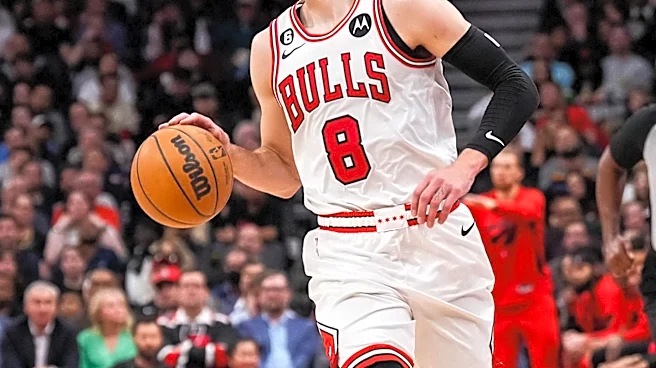
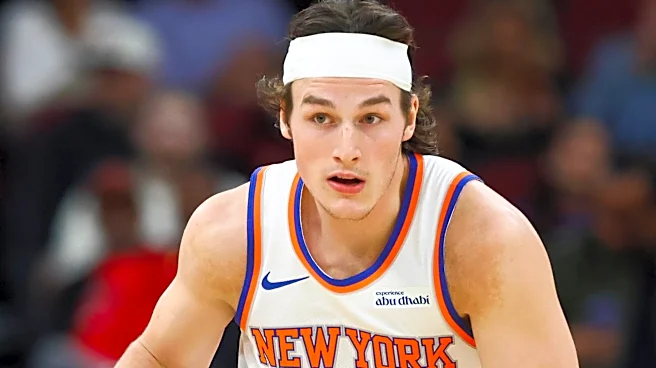
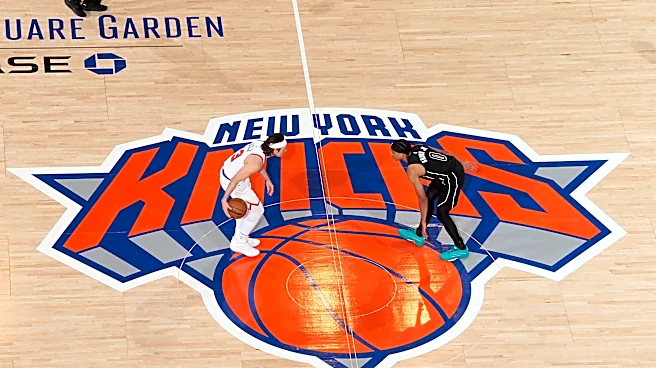
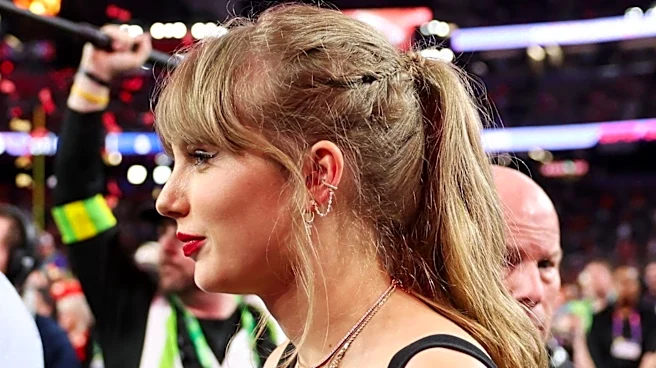
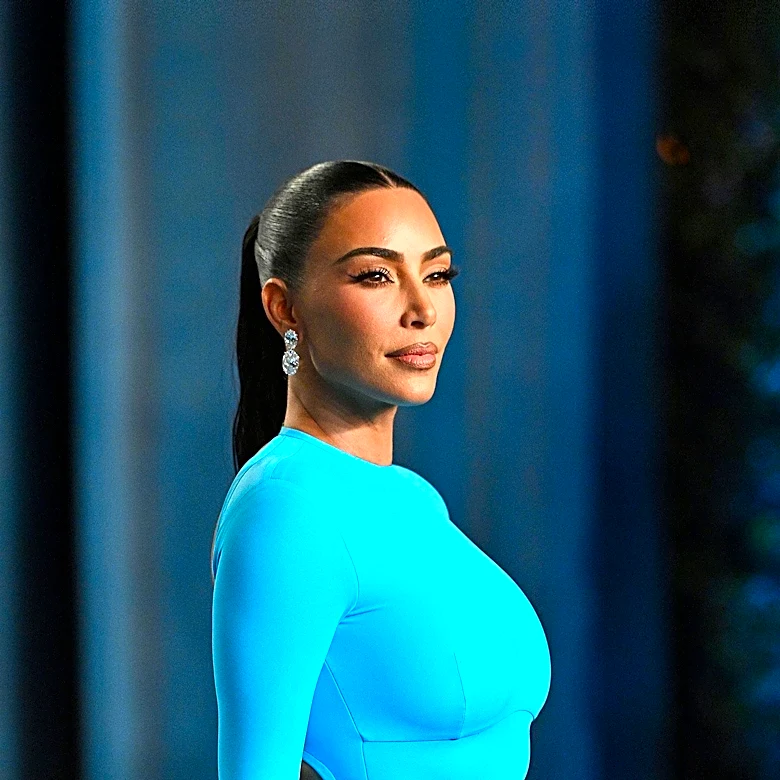
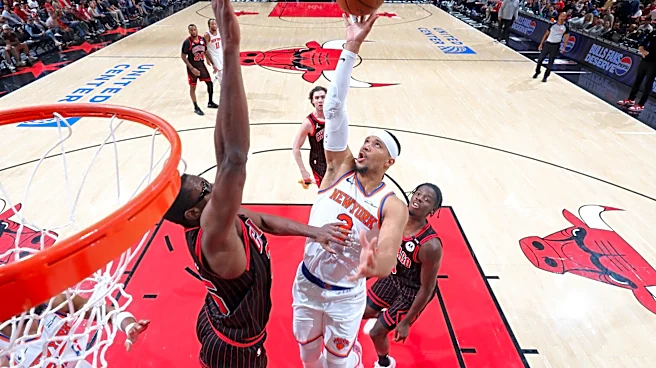
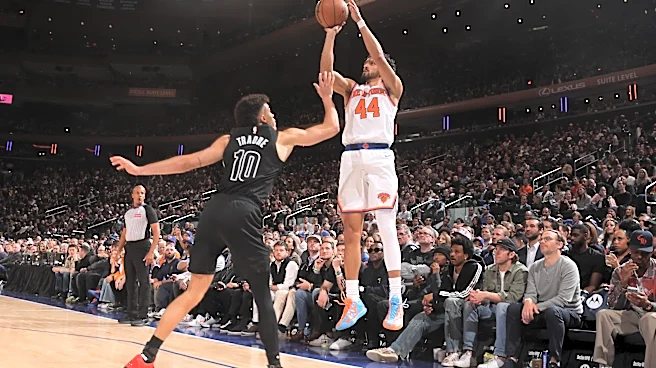
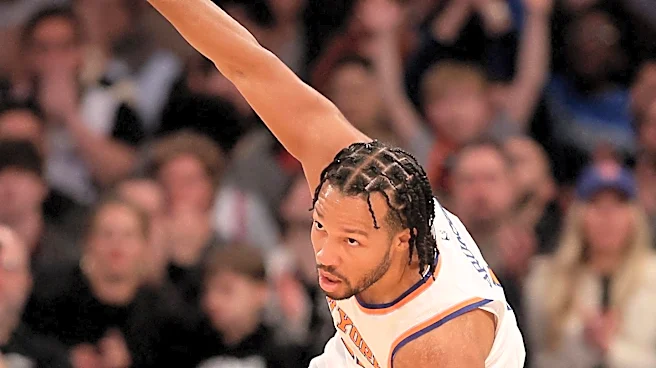
New York Knicks guard Tyler Kolek has publicly called out pop superstar Taylor Swift as the 'fakest fan' from Madison Square Garden's celebrity row. During an NBA 2K stream with teammate Deuce McBride, Kolek was asked to identify the fakest celebrity fan encountered
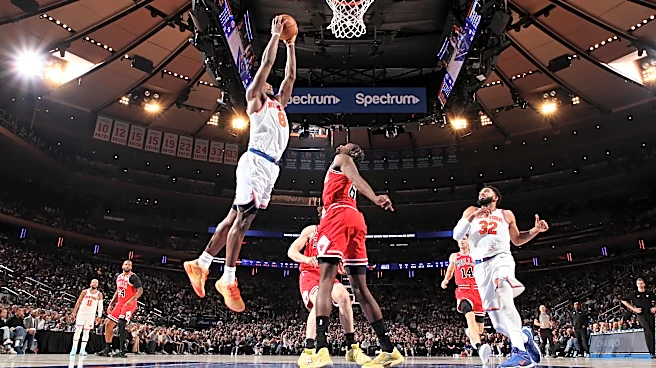
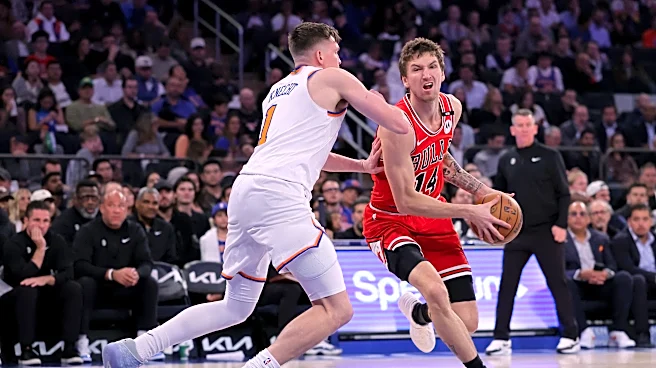
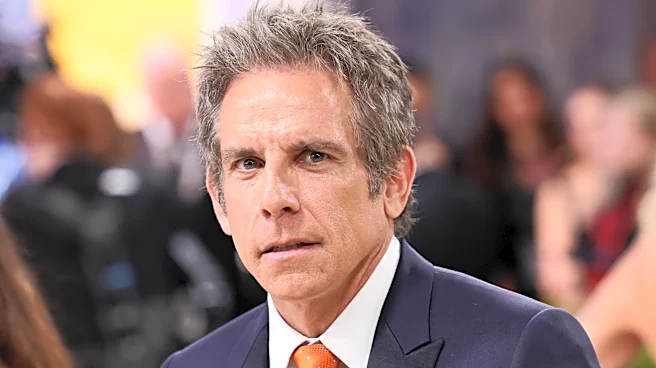
during the Knicks' recent championship run. Kolek singled out Swift, stating, 'I don't know if I've seen her at any other games.' McBride concurred, acknowledging that 'Swifties not gonna like that answer.' Kolek contrasted Swift's attendance with other consistent celebrity fans like Ben Stiller and Tracy Morgan, implying Swift's appearances were less frequent and more opportunistic. This commentary follows a trend of scrutiny regarding Swift's sports attendance, particularly after her highly publicized appearances at NFL games.
Why It's Important?
This incident highlights the ongoing debate surrounding celebrity involvement in sports and the authenticity of their fandom. For sports teams and leagues, celebrity endorsements can significantly boost visibility and attract new audiences, but they also risk alienating long-time fans who perceive such appearances as performative. Kolek's remarks, while potentially controversial among Swift's fanbase, resonate with a segment of sports enthusiasts who value genuine, long-standing support over what they view as 'bandwagon' fandom. The situation also underscores the power of social media and athlete platforms in shaping public discourse around cultural figures and their perceived sincerity. The 'Swifties' reaction, as anticipated by McBride, demonstrates the passionate and protective nature of celebrity fan bases, which can quickly mobilize in response to perceived criticism.
What's Next?
The immediate aftermath is likely to involve continued discussion and debate across social media platforms, with Swift's fans and critics weighing in on Kolek's comments. While it's improbable to have any direct official response from Taylor Swift or her representatives, the incident could influence how celebrities are perceived at sporting events, potentially leading to more scrutiny of their attendance patterns. For the New York Knicks, the comments from one of their players might generate some buzz, but it is unlikely to have a lasting impact on the team's operations or public image. The broader conversation about celebrity authenticity in sports is expected to persist, with similar discussions likely to arise whenever high-profile figures attend major sporting events.
Beyond the Headlines
This event touches upon the broader cultural phenomenon of celebrity influence and the commodification of fandom. In an era where public figures often leverage their presence at high-profile events for branding and media attention, the line between genuine interest and strategic visibility can become blurred. Kolek's statement, whether intended or not, challenges the narrative that all celebrity attendance is purely driven by passion for the sport. It also reflects a growing sentiment among some sports fans who feel that the focus on celebrity spectators detracts from the athletic competition itself. This dynamic raises questions about the evolving relationship between entertainment, sports, and public perception, and how authenticity is valued in an increasingly mediated world.