



What's Happening?
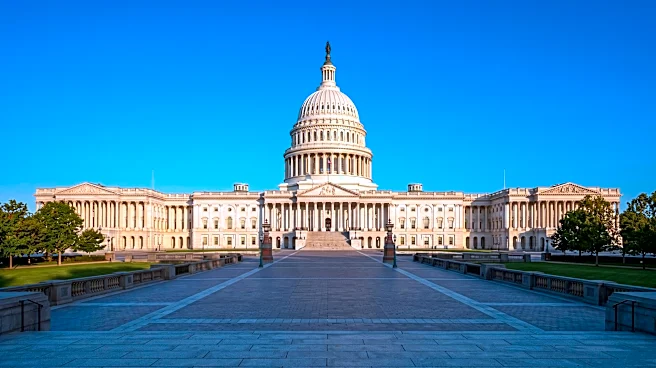
Eugene “Gene” Theroux, an American international lawyer, played a significant role in developing early commercial relationships between the United States and China. Working with Baker & McKenzie, Theroux traveled to China in 1972 with a US congressional
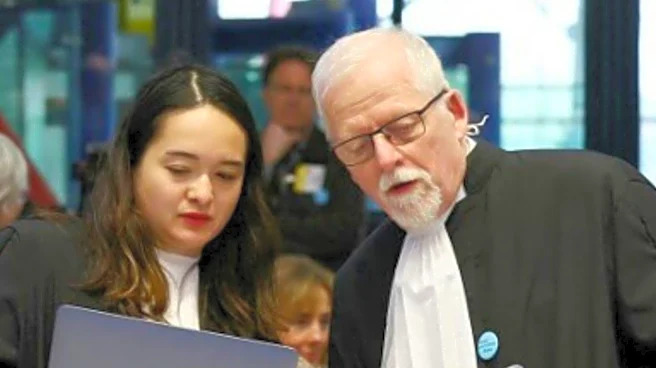
delegation to examine the commercial environment. He later became the first vice president of the organization now known as the US-China Business Council, helping to establish programs and policies during its formative period. His work involved advising on cross-border business, lecturing on commercial law in China, and representing China in significant US litigation, such as the Hukuang Railway bond case. Theroux was instrumental in establishing Baker & McKenzie offices in Beijing and Shanghai, creating a platform for international legal services in a market previously difficult for foreign firms to enter. His career also included representing the Soviet Union and later Russia in US federal courts and contributing to Baker & McKenzie's international expansion, including the establishment of its Moscow office.
Why It's Important?
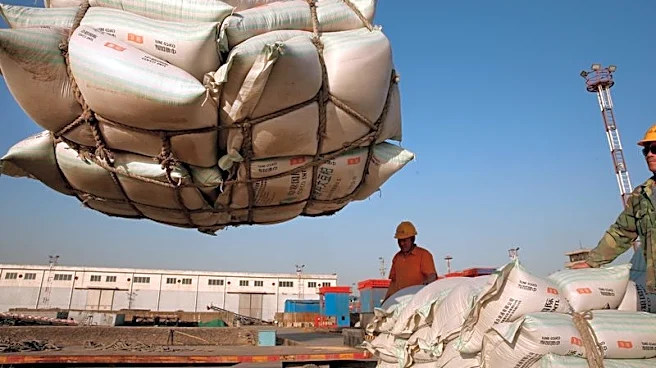
Eugene Theroux's career is important for understanding the foundational legal and commercial frameworks that underpin modern US-China trade relations. His efforts in the 1970s and beyond helped bridge the gap between two vastly different economic and legal systems, enabling American companies to engage with China during a critical period of opening. By establishing legal infrastructure and advising on complex international disputes, Theroux facilitated cross-border transactions and laid the groundwork for future commercial interactions. His involvement in cases like the Hukuang Railway bonds highlighted the complexities of sovereign immunity and international law, setting precedents for how historical obligations and new legal statutes would be navigated. His work with the US-China Business Council also demonstrates the early efforts to formalize and support bilateral trade, which has grown into one of the world's largest economic relationships. The expansion of Baker & McKenzie into China and Russia under his influence also signifies the globalization of legal services and the increasing need for specialized international legal expertise.
What's Next?
While Eugene Theroux is now retired, his historical contributions continue to influence the legal and commercial landscape. The legal frameworks and precedents he helped establish remain relevant in ongoing international trade and dispute resolution between the US, China, and other emerging markets. The Baker McKenzie offices in Beijing and Shanghai, which he helped found, continue to operate, providing legal services that support current cross-border business activities. Future legal professionals and policymakers can draw upon the historical context of his work when addressing contemporary challenges in international trade, intellectual property, and sovereign disputes. The ongoing evolution of US-China relations, including trade negotiations and geopolitical considerations, will likely continue to reference the foundational principles and legal interpretations that Theroux and his contemporaries helped to shape. The firm's continued focus on international expansion and complex tax matters, as evidenced by recent hires and business development initiatives, reflects the enduring legacy of lawyers like Theroux who pioneered global legal practices.
Beyond the Headlines
Eugene Theroux's career offers a deeper insight into the ethical and cultural dimensions of international law, particularly in navigating vastly different political and legal systems. His work in China involved not just legal technicalities but also a profound understanding of cultural nuances and political sensitivities required to build trust and facilitate commerce. Lecturing on commercial law to Chinese professionals during a period of significant transition highlights the role of legal education in fostering international cooperation and standardizing business practices. The Hukuang Railway bond case, where he represented the Chinese government, underscores the complex interplay between historical grievances, national sovereignty, and modern legal interpretations. This case, and others involving the Soviet Union, illustrate the challenges of applying evolving international law to historical contexts and the ethical considerations involved in representing foreign governments. His ability to work in markets with unsettled regulatory structures required adaptability and a commitment to bridging legal and cultural divides, shaping the very nature of international legal practice as it is known today.