




What's Happening?
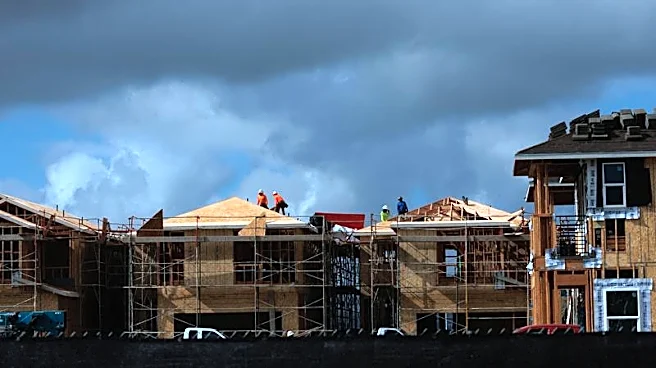
The U.S. construction industry is facing a significant labor shortage, which is contributing to the ongoing housing affordability crisis. According to Jim Tobin, president and CEO of the National Association of Home Builders, the industry is currently
short by approximately 250,000 workers each month. This shortage has been as high as 400,000 in the past. The lack of skilled laborers is causing delays in construction timelines and increasing costs, thereby constraining the housing supply. The industry is also grappling with an aging workforce and insufficient numbers of younger Americans entering skilled trades. Additionally, immigration policies have not kept pace with labor needs, further exacerbating the shortage. Immigrants currently make up about one-third of the homebuilding contractor workforce.
Why It's Important?
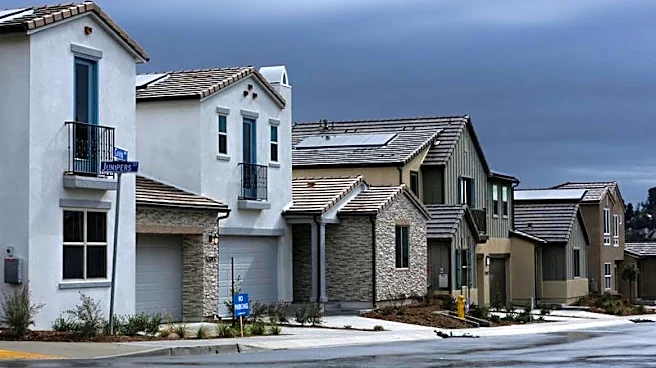
The labor shortage in the construction industry has significant implications for the U.S. housing market. As the demand for housing continues to grow, the inability to meet this demand due to labor constraints is driving up home prices and making housing less affordable for many Americans. This situation is particularly concerning given the existing housing shortage, which is estimated to be around 1.5 million homes. The shortage not only affects homebuyers but also impacts the broader economy, as housing is a critical component of economic growth. The reliance on immigrant labor highlights the need for immigration reform to create legal pathways for workers and expand visa opportunities, which could help alleviate the labor shortage.
What's Next?
To address the labor shortage, the construction industry is investing in workforce development programs and encouraging more young Americans to enter skilled trades. However, industry leaders like Jim Tobin are also calling for comprehensive immigration reform to modernize the nation's immigration system. This includes creating legal pathways for workers already in the country and expanding visa opportunities for those seeking construction jobs. Without these changes, the industry will continue to struggle to meet housing demand, potentially leading to further increases in home prices and exacerbating the housing crisis.