





What's Happening?
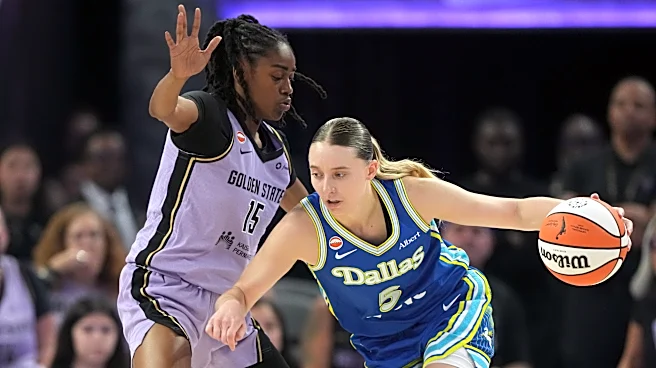
The Women's National Basketball Association (WNBA) is marking nearly three decades of existence, a period characterized by significant challenges and eventual resurgence. Journalist and author Tamryn Spruill's new book, 'The W: A History of the WNBA,'
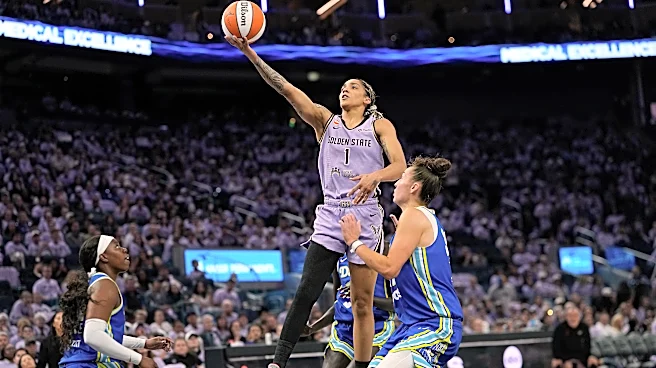
chronicles the league's journey from its origins with the successful 1996 U.S. Olympic team to its current cultural and commercial renaissance. The league faced early competition from the American Basketball League, rapid expansion to 16 teams, and subsequent financial strains that led to the disappearance or relocation of many franchises. Throughout its history, the WNBA has contended with indifferent media coverage, shaky ownership, low salaries, and persistent questions about its sustainability as an American sports business. Spruill's work highlights how limited television exposure and uneven media treatment hindered the league's visibility, often failing to connect with its actual audience. However, the advent of streaming, social media, evolving cultural attitudes, and more aggressive sponsorship efforts have empowered players and fans to cultivate a robust community, overcoming traditional media's shortcomings.
Why It's Important?
The WNBA's journey is a significant case study in the resilience and evolution of women's professional sports in the U.S. Its ability to survive and thrive despite numerous obstacles demonstrates a powerful shift in public perception and commercial viability for female athletes. The league's struggle for visibility and financial stability reflects broader societal challenges faced by women's sports, including unequal media representation and investment compared to men's leagues. The current 'cultural and commercial renaissance' of the WNBA signifies a growing recognition of the value and appeal of women's basketball, impacting not only the athletes and teams but also influencing marketing strategies, media consumption habits, and gender equality discussions within the sports industry. This resurgence provides a blueprint for other women's sports leagues seeking to overcome similar hurdles, showcasing the power of grassroots support, digital platforms, and strategic partnerships in building a sustainable and impactful enterprise.
What's Next?
The WNBA's continued growth is likely to involve further leveraging digital platforms and social media to expand its audience and engagement. With increased visibility and a growing fan base, the league can anticipate more robust sponsorship deals and improved media rights, potentially leading to higher player salaries and enhanced league infrastructure. The success of Spruill's book and the ongoing dialogue around the WNBA's history suggest a sustained interest in the league's narrative and its future trajectory. This momentum could encourage further investment in women's sports across the U.S., potentially inspiring new leagues or expanding existing ones. The league's ability to maintain its cultural relevance and commercial appeal will depend on its capacity to adapt to changing media landscapes and continue fostering strong connections with its dedicated fan base, ensuring its long-term sustainability and influence.
Beyond the Headlines
The WNBA's story extends beyond mere sports statistics, touching upon deeper societal themes of gender equity, economic empowerment, and media representation. The league's initial struggles and eventual triumph highlight the systemic biases that have historically marginalized women's professional sports. Its current renaissance is not just a commercial success but a cultural phenomenon, challenging traditional notions of sports viewership and athlete celebrity. The WNBA has become a platform for social activism and empowerment, with its players often at the forefront of discussions on social justice and equality. This influence transcends the basketball court, shaping public discourse and inspiring younger generations of female athletes and leaders. The league's journey underscores the importance of persistent advocacy and community building in overcoming entrenched inequalities, demonstrating how sports can be a powerful catalyst for broader social change and progress.