







What's Happening?
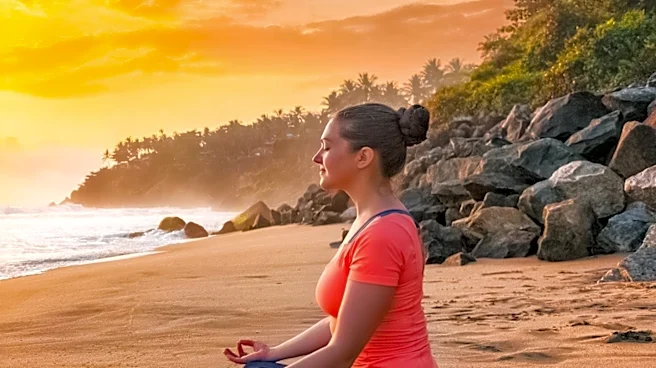
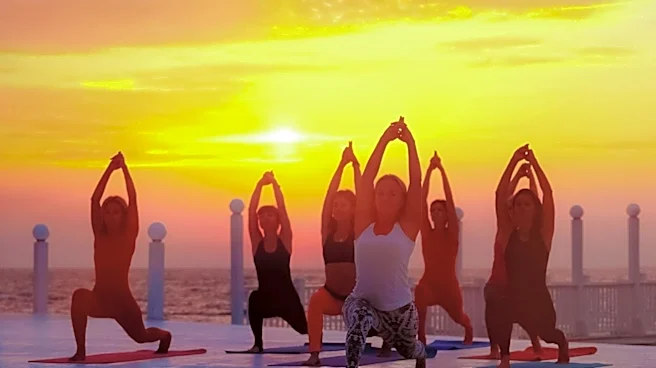
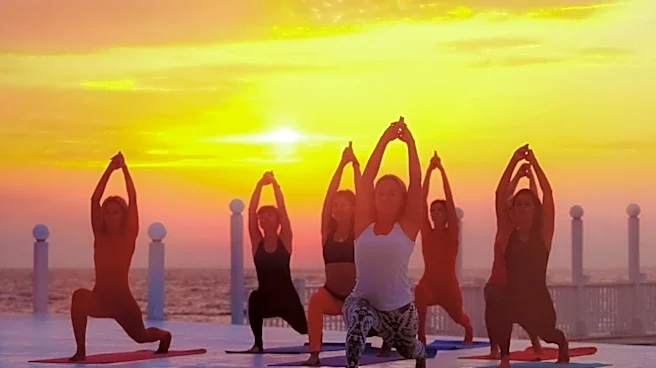
Fitness retreats are increasingly offering a wide array of activities designed to promote well-being and social connection. These retreats typically include group fitness classes, yoga, Pilates, hiking, tennis, padel, and various workshops. Participants
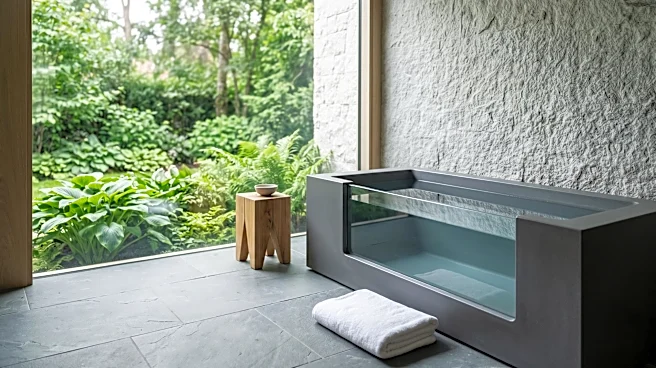
often engage in communal dining, fostering opportunities for interaction, while also having the option for private time in their own rooms or villas. The emphasis is on creating an environment where individuals can step away from their daily routines and connect with others who share a similar focus on health and personal growth. For instance, Champneys provides boot camps with varied fitness schedules and full-body LED light therapy, while Kohler's wellness packages integrate luxurious accommodations with spa services and outdoor activities, highlighting community and nature. These retreats cater to individuals seeking to improve fitness, focus on nutrition, try new experiences, or simply disconnect and recharge.
Why It's Important?
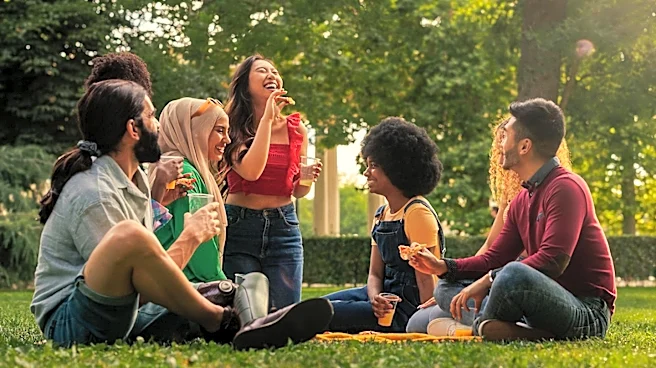
The growing popularity of fitness retreats underscores a broader societal trend towards prioritizing holistic well-being and seeking intentional spaces for personal growth and social interaction. In an increasingly digitally connected world, these retreats offer a valuable counterpoint by facilitating genuine human connection and a break from constant digital engagement. For individuals, this means improved mental and physical health through structured activities and a supportive community. For the wellness industry, it signifies a diversification of offerings beyond traditional spa treatments, moving towards more active and community-oriented experiences. The focus on shared experiences and optional social engagement addresses the rising concern of loneliness, as highlighted by the World Health Organization's estimate that one in six people worldwide experience it. This shift indicates a market demand for wellness solutions that combine physical activity with opportunities for meaningful social bonds.
What's Next?
The trend of fitness retreats is likely to continue evolving, with an increased focus on personalized experiences and diverse activity offerings to cater to a wider range of preferences. Retreat organizers may further integrate technology to enhance the booking and pre-retreat experience, while maintaining the 'unplugged' nature of the retreat itself. There could be a rise in specialized retreats targeting specific demographics or wellness goals, such as retreats for burnout recovery, specific sports training, or mental health focus. As the demand for authentic connection grows, retreats will likely continue to emphasize communal aspects like shared meals and group activities, while still providing ample opportunities for individual reflection and solitude. The industry may also see more collaborations with local communities and experts to offer unique cultural and adventure experiences alongside traditional fitness programs.
Beyond the Headlines
Beyond the immediate benefits of physical activity and relaxation, fitness retreats tap into deeper psychological and social needs. They offer a structured escape from the pressures of modern life, providing a 'third space' where individuals can shed their everyday roles and engage in self-discovery. The communal aspect of these retreats can foster a sense of belonging and mutual support, which is crucial for mental well-being. This environment can lead to unexpected connections and friendships, demonstrating the power of shared experiences in building rapport. Furthermore, the intentional removal from daily routines and digital distractions allows for a re-evaluation of personal priorities and habits, potentially leading to sustainable lifestyle changes. The emphasis on optional participation and 'divine laziness' in some retreats highlights a shift towards a more compassionate and less prescriptive approach to wellness, recognizing the importance of rest and spontaneity in true rejuvenation.