


What's Happening?
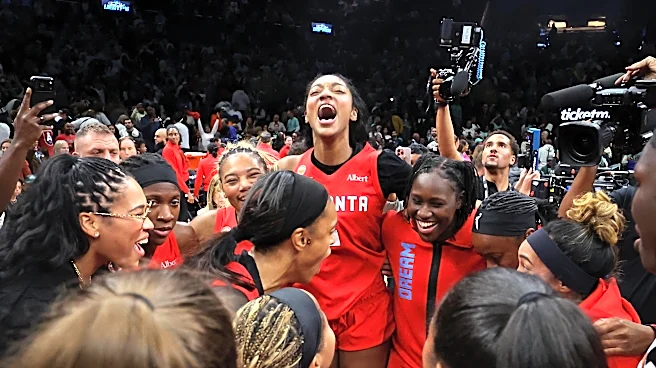
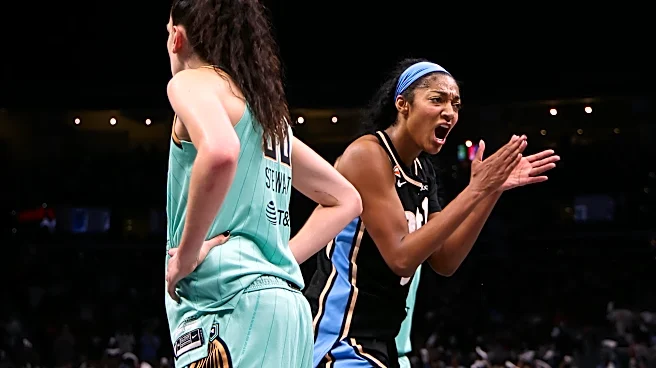
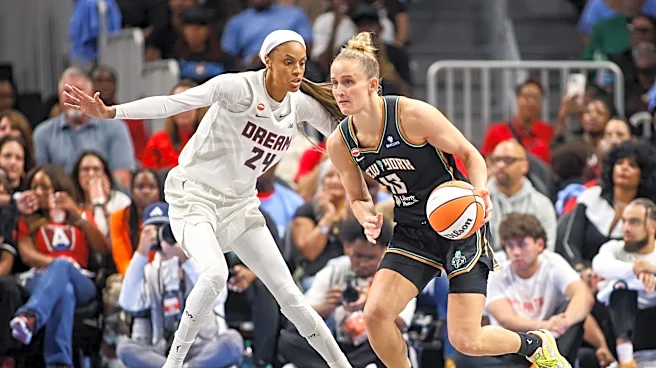
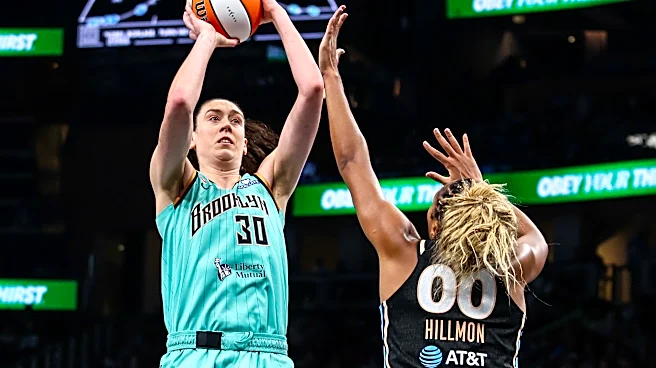
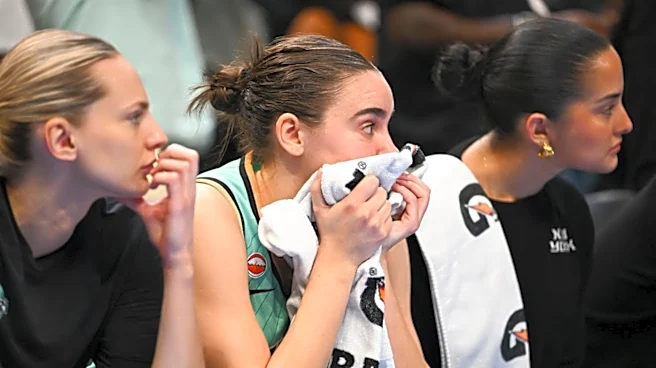
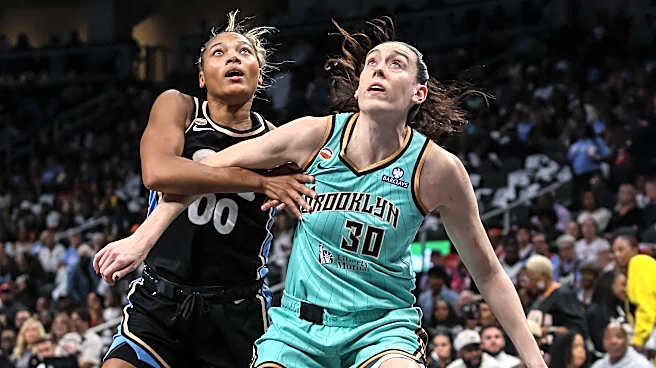
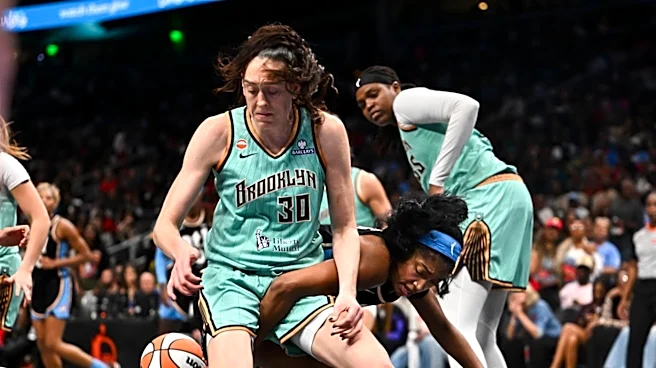
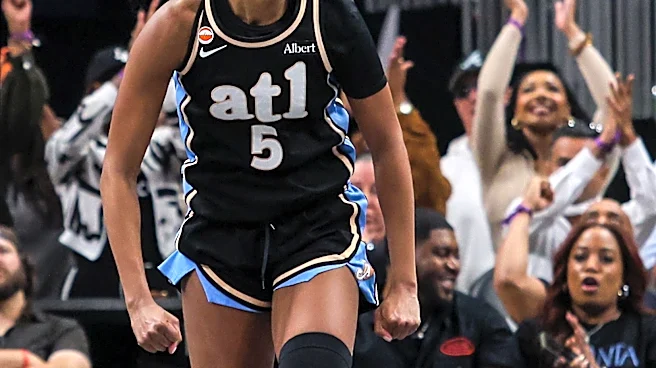
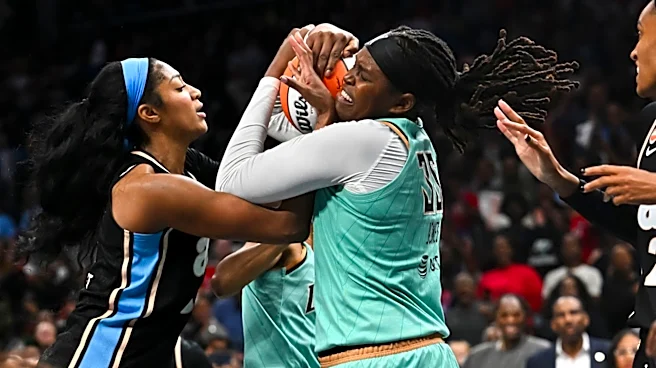
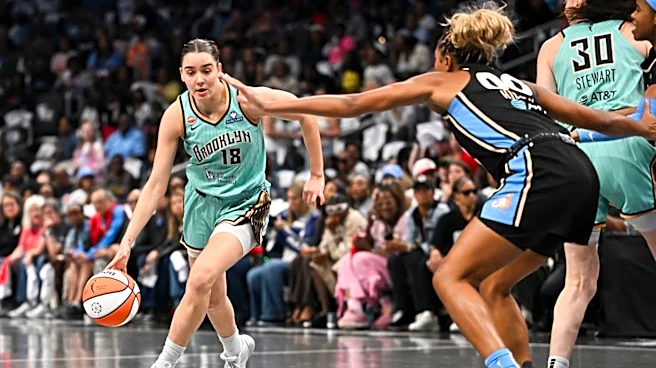
The WNBA has launched an investigation into a controversial timeout dispute during Game 2 of the playoff semifinal series between the New York Liberty and the Atlanta Dream. The controversy arose in the final 4.3 seconds of overtime, with the Dream leading
by three points. Liberty forward Breanna Stewart claims she was incorrectly informed by officials that her team had no reset timeout remaining. This assertion is disputed by an official pool report, which states that crew chief Fatou Cissoko-Stephens confirmed Stewart was present when an official verified the Liberty still had a reset timeout, and no official told Liberty staff otherwise. Alternate ESPN footage shows Stewart asking a referee about a reset, but the official's response is unclear. The Liberty filed their own inquiry, but the game's 101-98 overtime score will not be changed. Stewart expressed disappointment, stating that the situation made her integrity seem questionable to fans.
Why It's Important?
This investigation is significant as it touches upon the integrity of officiating in high-stakes professional sports and the trust between players and referees. A disputed call in the final seconds of a playoff game can directly influence the outcome of a series, potentially affecting team advancement and championship aspirations. For the New York Liberty, who are now one loss away from playoff elimination, the perceived miscommunication or error could be seen as a critical factor in their loss. The WNBA's handling of this investigation will be crucial in maintaining confidence in its officiating standards and ensuring fairness in competition. The incident also highlights the challenges of real-time decision-making and communication in fast-paced sports environments, with potential implications for how such situations are managed in future games.
What's Next?
The WNBA's investigation is ongoing, and its full scope and timeline for resolution are yet to be clarified. The league will likely review all available footage, audio, and official reports, and may interview the involved officials and players. While the game's result will stand, the investigation could lead to findings regarding officiating protocols, communication procedures, or potential disciplinary actions if errors or misconduct are identified. The Liberty will now focus on Game 3, facing elimination on their home court. The outcome of the investigation could influence future league policies regarding in-game communication and the use of replay or challenge systems in critical moments, aiming to prevent similar disputes from arising in future high-pressure situations.
Beyond the Headlines
Beyond the immediate impact on the playoff series, this incident raises broader questions about transparency and accountability in sports officiating. The discrepancy between a player's account and an official report underscores the need for clear, verifiable communication during games. Such disputes can erode public trust in the fairness of competition, especially when they occur in pivotal moments. The WNBA's response will set a precedent for how similar situations are handled, potentially influencing other professional sports leagues. It also highlights the intense pressure on both players and officials in professional sports, where split-second decisions can have significant consequences, and every action is scrutinized. The incident could spark discussions about enhancing technology or training for officials to minimize human error and improve clarity in critical game situations.