





What's Happening?
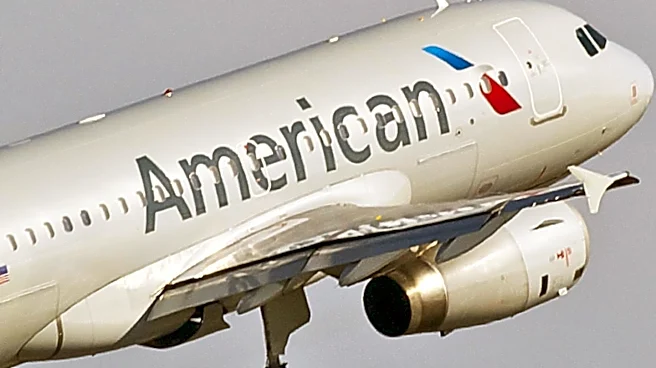
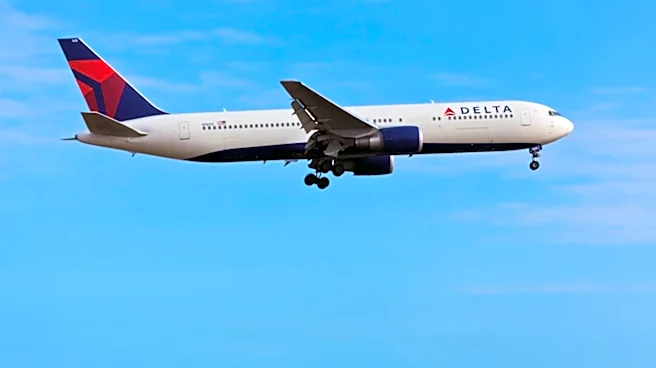
American Airlines (AAL) and Delta Air Lines (DAL), two major U.S. carriers, are both contending with significantly higher jet fuel costs. However, the impact on their profitability and financial outlooks differs markedly. American Airlines cut its full-year
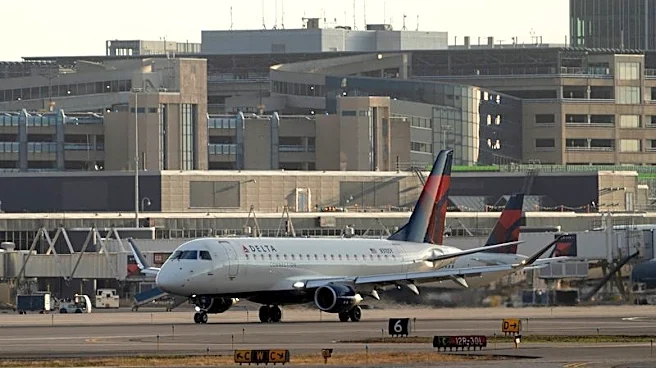
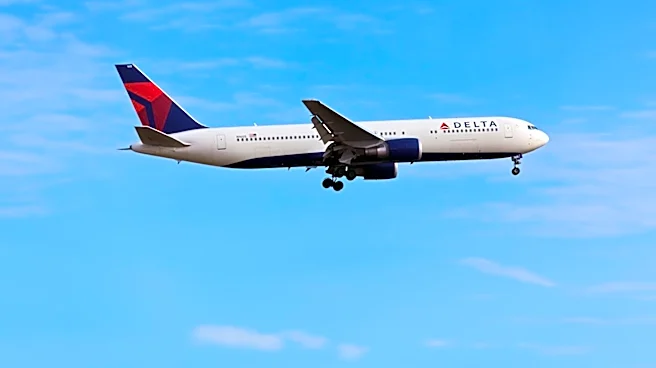
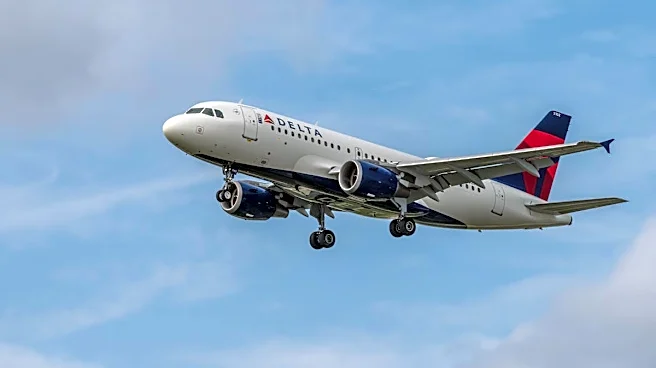
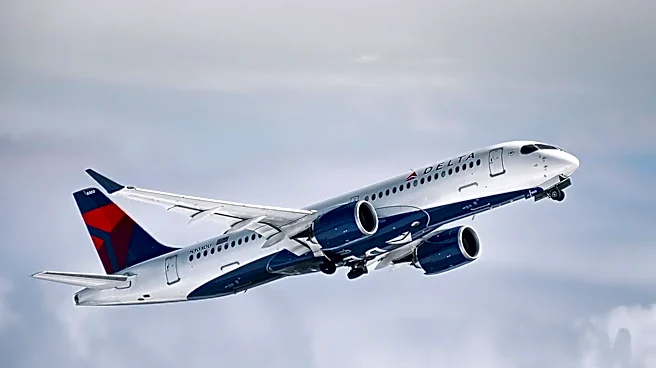
guidance to roughly break-even, reflecting concerns about thin margins and higher debt levels. In contrast, Delta Air Lines, while trimming its outlook, remains solidly profitable, maintaining structurally wider margins, a stronger balance sheet, and a growing dividend. Delta's diversified revenue base, including premium cabins, cargo, maintenance, and the SkyMiles loyalty program, has provided greater resilience. American's strategy focuses on rebuilding corporate travel and strengthening its AAdvantage loyalty program, but its recent performance has been difficult, with a substantial increase in aircraft fuel expense offsetting strong revenue.
Why It's Important?
The contrasting financial performance of American Airlines and Delta Air Lines in the face of rising fuel costs highlights critical differences in business models and financial resilience within the U.S. airline industry. Delta's ability to maintain profitability and a stronger balance sheet, even with increased expenses, demonstrates the value of a diversified revenue stream and a focus on premium services. This resilience is crucial for investors and the broader economy, as it indicates a more stable and less volatile entity capable of weathering economic headwinds. Conversely, American Airlines' struggle to achieve profitability underscores the vulnerability of carriers with thinner margins and higher leverage to external shocks like fuel price spikes. This divergence impacts investor confidence, market valuations, and the overall stability of the air transportation sector, influencing employment, travel costs, and the reliability of air services across the nation.
What's Next?
Both American Airlines and Delta Air Lines will continue to navigate the challenges posed by fuel costs and evolving passenger demand. American Airlines will likely focus on its turnaround strategy, aiming to improve corporate travel recovery, upgrade premium seating options, and expand its loyalty program to stabilize earnings and reduce its vulnerability to fuel price fluctuations. Delta Air Lines is expected to continue leveraging its premium-focused model and diversified revenue streams to maintain its stronger financial position and potentially expand its market share. Investors will closely monitor fuel prices, passenger demand trends, and each airline's ability to manage operational costs. The industry may also see further consolidation or strategic partnerships as carriers seek to optimize their networks and cost structures in a competitive and economically sensitive environment. The long-term outlook will depend on global economic stability and the airlines' capacity to adapt to changing market conditions.
Beyond the Headlines
The differing fortunes of American Airlines and Delta Air Lines reveal deeper structural issues within the U.S. airline industry. It underscores the strategic importance of business model diversification and financial prudence in a capital-intensive and highly cyclical sector. Airlines that have invested in premium services, robust loyalty programs, and diversified revenue streams, like Delta, appear better equipped to absorb economic shocks. This situation also highlights the ongoing tension between offering competitive low-cost options and maintaining profitability, a challenge that has shaped the industry for decades. The long-term implications could include a further stratification of the airline market, with premium carriers maintaining stronger financial health and budget carriers facing greater pressure during periods of economic uncertainty. This could influence consumer choices, market competition, and regulatory oversight, as policymakers consider the stability and accessibility of air travel for all Americans.