






What's Happening?
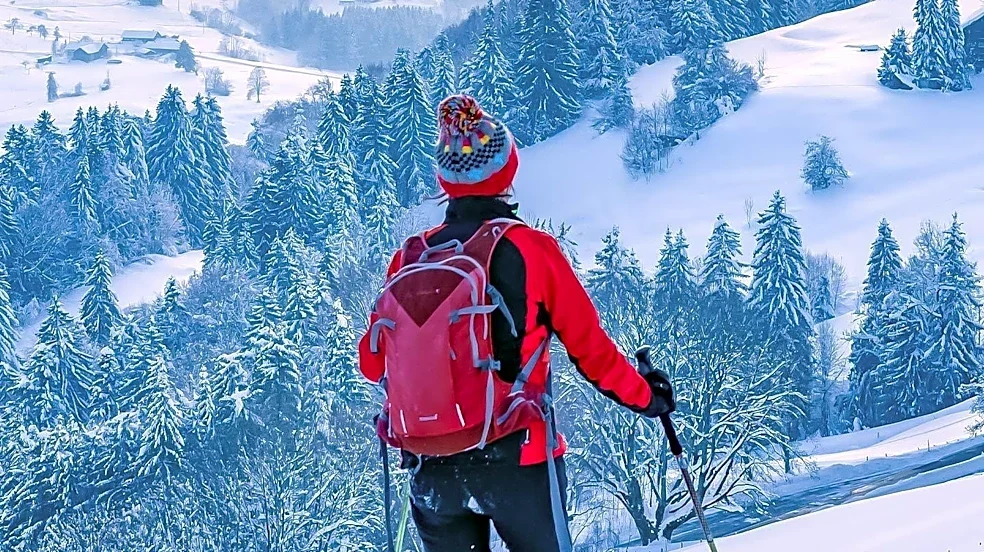
Snowshoeing is gaining recognition as an accessible form of winter mountain travel, allowing individuals who do not ski to explore snow-covered landscapes without sinking into deep snow. This activity is characterized by its quiet and meditative nature,
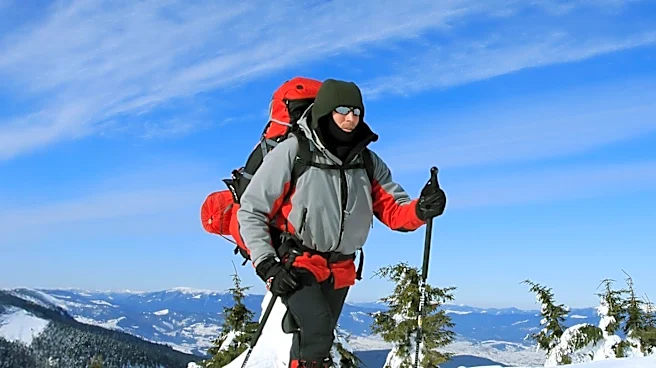
making it suitable for anyone capable of walking. The fundamental principle behind snowshoeing is to distribute body weight over a larger surface area, preventing the wearer from sinking into fresh snow, much like an open palm on snow compared to a single finger. This method widens the 'footprint,' enabling flotation on the snow's surface. The activity requires minimal technical skill, primarily the ability to walk, making winter mountains accessible to a broader audience. Equipment, including snowshoes and poles with snow baskets, is readily available for rent or purchase at outdoor and sporting goods stores. Waterproof hiking boots and gaiters are also essential to ensure comfort and prevent snow from entering footwear.
Why It's Important?
The increasing popularity of snowshoeing is significant as it democratizes access to winter outdoor recreation. Traditionally, winter mountain activities have often been dominated by skiing or snowboarding, which can require substantial skill, equipment investment, and specific terrain. Snowshoeing provides an alternative that lowers the barrier to entry, allowing more people to experience the unique tranquility and beauty of snow-covered environments. This accessibility can lead to improved physical and mental well-being for participants, offering a low-impact exercise option during colder months. Furthermore, the quiet nature of snowshoeing fosters a deeper connection with nature, allowing for observation of wildlife tracks and a more immersive experience in the winter woods. The availability of guided tours and marked trails in various locations further enhances its appeal, making it a safe and enjoyable activity for beginners.
What's Next?
As snowshoeing continues to grow in popularity, it is anticipated that more mountain resorts and Nordic centers will expand their dedicated snowshoe routes and rental services. The development of more marked and maintained trails will further encourage participation, providing safe and clear paths for enthusiasts. Additionally, an increase in guided group outings led by mountain guides and local outfitters is expected, offering instruction on proper technique and ensuring safety, particularly regarding avalanche awareness. The availability of equipment rentals will likely remain a key factor in attracting newcomers, allowing individuals to try the activity before committing to purchasing gear. Continued emphasis on checking avalanche forecasts and understanding snow conditions will be crucial for all participants, even on marked trails, to ensure a safe and enjoyable experience.
Beyond the Headlines
Beyond its immediate recreational benefits, the rise of snowshoeing reflects a broader societal trend towards seeking accessible and nature-immersive outdoor activities. In an increasingly fast-paced world, the meditative aspect of snowshoeing—the quiet, the slower pace, and the focus on the immediate surroundings—offers a valuable counterpoint. It encourages a form of 'forest bathing' in winter, promoting mindfulness and stress reduction. This shift also highlights a growing appreciation for the subtle beauty of winter landscapes, moving beyond high-adrenaline sports to embrace more contemplative forms of engagement with nature. Ethically, it promotes inclusivity in outdoor recreation, ensuring that physical limitations or lack of specialized skills do not preclude individuals from experiencing the winter wilderness. Culturally, it could foster a renewed appreciation for the natural world during a season often associated with indoor confinement.