





What's Happening?
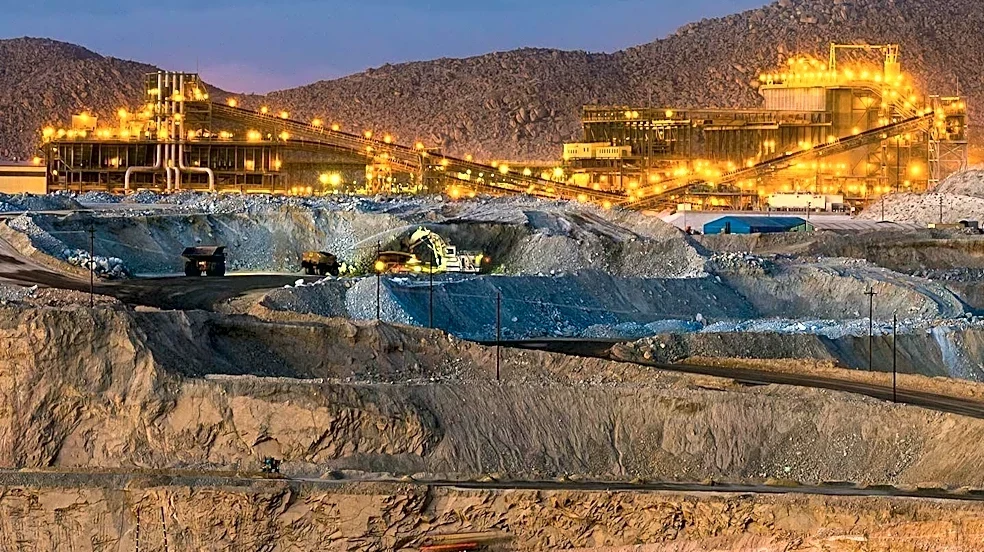
Supervisors at BHP’s Escondida copper mine in Chile have approved a revised three-year employment agreement, successfully averting a strike that was scheduled for October 15. The union, Sindicato N°2 de Supervisores y Staff, which represents approximately
1,020 supervisors and staff, voted 64% in favor of the proposal, with 35% voting against it. This resolution concludes the 2026 regulated collective-bargaining process for Escondida, the world's largest copper operation. The agreement ensures operational continuity, as the mine continued normal operations during the membership vote. This outcome prevents a potential disruption to global copper supply, which had been a concern following a stronger mandate for industrial action in September when an earlier proposal was rejected by 95% of participating voters. The current agreement improves fixed and variable compensation, along with existing benefits and additional bonuses.
Why It's Important?
The resolution of the labor dispute at Escondida is significant for the global copper market and, by extension, for industries reliant on copper, including construction, electronics, and renewable energy. Escondida accounts for a substantial portion of Chile's copper output, and any interruption to its operations can have a considerable impact on global supply. The International Energy Agency (IEA) projects a significant shortfall in primary copper supply by 2035, making stable production from major mines like Escondida crucial. Avoiding this strike removes a specific operational risk at a key source of supply, which helps to stabilize market expectations regarding copper availability. While the agreement does not necessarily increase mine output or change production guidance, it prevents a potential tightening of the copper market that could have led to higher prices and affected downstream manufacturing. For the mine's partners, including BHP (57.5%), Rio Tinto (30%), and the JECO consortium (12.5%), the agreement ensures operating continuity and avoids the need for a recovery period after a stoppage.
What's Next?
Following the approval of the three-year agreement, the immediate next step for Escondida will be the implementation of the agreed compensation and benefit changes. The focus will shift from strike preparation to integrating these new provisions into the mine's cost base and ensuring stable labor relations with the supervisors' group over the next three years. While the agreement provides contractual certainty for this bargaining group, it does not guarantee against all future labor disputes at the operation. The copper market will continue to monitor production data from Escondida and other Chilean mines to assess the overall supply landscape. The long-term stability of copper supply will depend on how effectively the revised compensation provisions are managed and whether the agreement fosters sustained positive relations between management and the workforce. The broader implications for copper prices and related markets, such as gold and silver, will also be observed, as supply shocks in one commodity can influence others.
Beyond the Headlines
The Escondida agreement highlights the delicate balance between labor demands and global commodity supply stability. The initial strong rejection of an earlier offer, followed by a divided but ultimately approving vote, underscores the complexities of collective bargaining in critical industries. The fact that roughly one-third of voters opposed the final settlement suggests it was a compromise rather than an overwhelming endorsement, indicating potential underlying tensions that could resurface in future negotiations. This situation also brings to light the broader issue of labor unrest in Chile's mining sector, as evidenced by a recent walkout at Antofagasta’s Centinela operation. Such patterns of labor disputes in major copper-producing regions can have ripple effects on global economic indicators, influencing inflation expectations, the strength of the U.S. dollar, and investor sentiment in safe-haven assets like gold. The long-term implications extend to the global energy transition, as copper is a vital component for renewable energy technologies, making stable supply crucial for achieving climate goals.