





What's Happening?
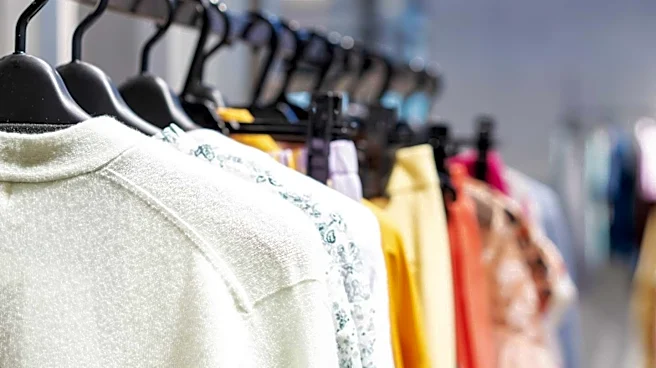
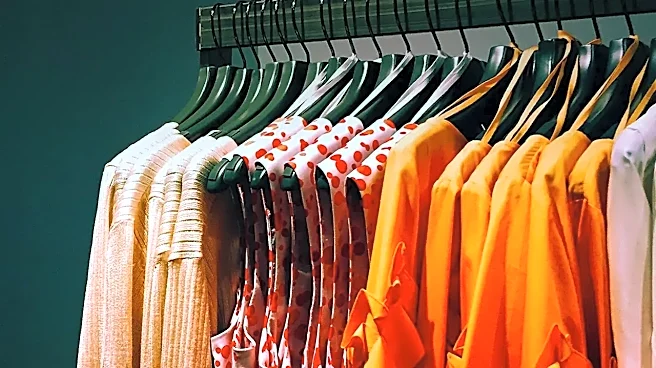
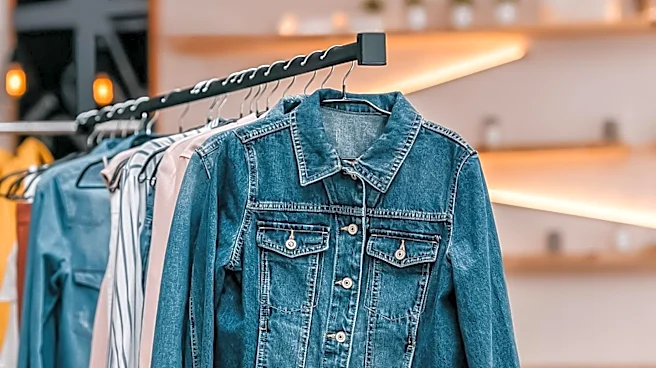
Major clothing brands, including Levi Strauss & Co., Uniqlo, Zara, and Primark, are increasingly offering in-store repair services and mending workshops to appeal to Generation Z consumers. This initiative aims to encourage customers to mend worn clothes
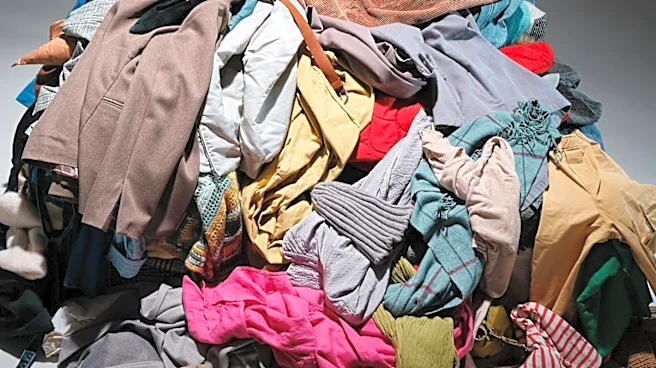
rather than purchasing new ones, aligning with Gen Z's interest in sustainability and cost-saving. Levi's, for instance, has developed a 'Wear Longer' program that teaches high school students basic sewing skills like button replacement, hemming, and patching. Uniqlo provides a range of aftercare services, including repairs, decorative mending, and restyling, available in 75 of its stores. Zara launched a digital platform in 2022 for reselling used items and requesting alterations, while Primark hosts free 'Love It For Longer' events to educate customers on clothing care. This shift comes as clothing production doubled between 2000 and 2015, with the average number of wearings per garment declining significantly, and less than 1% of discarded clothing material being recycled into new apparel, according to the Ellen MacArthur Foundation.
Why It's Important?
This trend signifies a strategic pivot within the fashion industry to address growing consumer demand for sustainability and to engage with Generation Z, a demographic known for its preference for pre-owned clothing and conscious consumption. By offering repair services, brands aim to enhance their image, foster customer loyalty, and potentially extend the lifecycle of their products. This move could influence purchasing habits, shifting focus from fast fashion to durability and reuse. While skeptics, like Professor Kate Fletcher of Manchester Metropolitan University, question the environmental impact of these initiatives given the continued overproduction of garments, the efforts highlight a broader industry recognition of textile waste as a critical challenge. The success of these programs could also pave the way for new business models and partnerships within the fashion ecosystem, potentially leading to tax incentives for eco-friendly services, as advocated by companies like H&M, Primark, and ThredUp.
What's Next?
The fashion industry will likely continue to explore and expand repair and resale initiatives, potentially integrating them more deeply into their core business strategies. Brands may seek further government support, such as tax incentives, to make these labor-intensive services more commercially viable. The focus will remain on educating consumers, particularly Gen Z, on the benefits of mending and extending garment life. The challenge lies in scaling these efforts to genuinely counteract the environmental impact of overproduction, which remains the primary source of the fashion sector's footprint. Companies will need to balance the appeal of sustainability with the economic realities of manufacturing and retail, potentially leading to innovations in material science and supply chain management to support a more circular economy. The ongoing evolution of consumer behavior, particularly among younger generations, will continue to shape these developments.
Beyond the Headlines
Beyond the immediate commercial and environmental implications, this movement touches upon deeper cultural and ethical dimensions. It represents a potential return to valuing craftsmanship and longevity in clothing, moving away from the disposable culture fostered by fast fashion. The emphasis on mending and repairing could empower consumers with practical skills, fostering a sense of resourcefulness and reducing reliance on constant new purchases. Ethically, it challenges brands to take greater responsibility for the entire lifecycle of their products, pushing for transparency and accountability in their supply chains. This shift could also influence design philosophies, encouraging the creation of more durable and repairable garments. Ultimately, it reflects a broader societal re-evaluation of consumption patterns and the environmental cost of convenience, potentially leading to a more mindful approach to fashion and resource utilization.