




What's Happening?
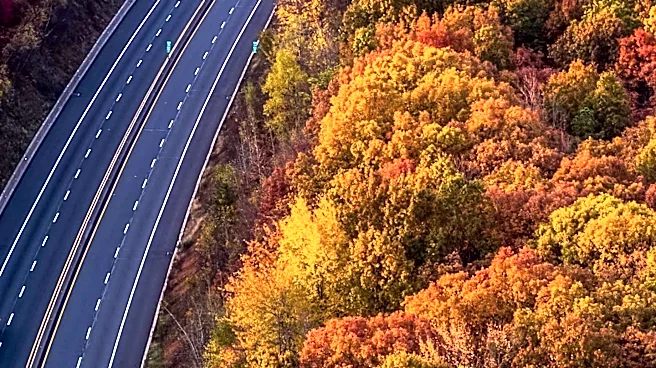
Clarksville, Tennessee, is expected to reach its peak fall foliage between November 10-16, with November 13 projected as the absolute peak, which is three days later than the typical schedule. However, this year's fall color quality is forecasted to be 'very
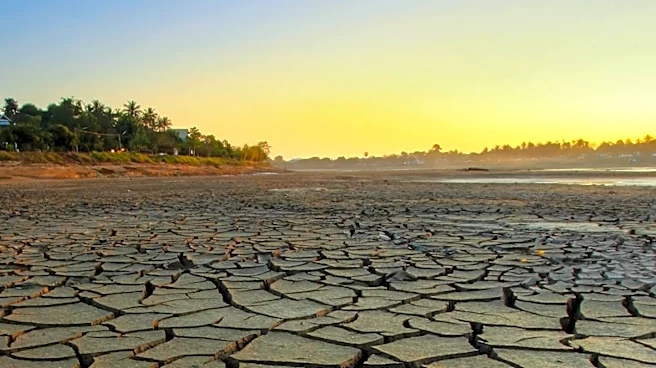
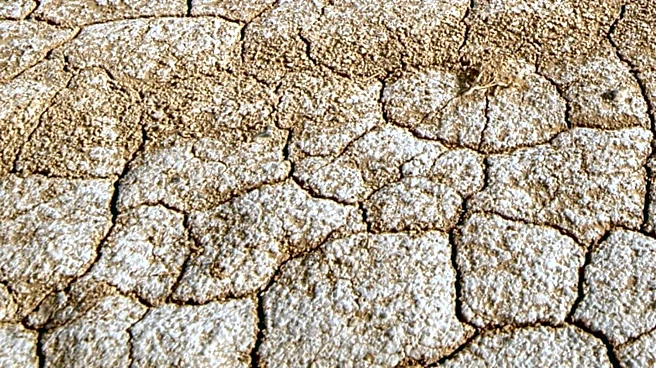
poor' due to an exceptionally hot and dry late summer that caused leaves to brown prematurely in many areas. Currently, Montgomery County is experiencing 'moderate color,' according to the Tennessee Fall Foliage Forecast from ExploreFall.com. Despite the diminished quality, several local spots are recommended for viewing the autumn colors. These include scenic walks and hikes at Clarksville Greenway, Dunbar Cave State Park, and Rotary Park. For those preferring scenic drives, Highway 149, Highway 13, and The Trace at Land Between the Lakes are suggested routes, with the latter offering a chance to spot bison.
Why It's Important?
The forecast of 'very poor' fall foliage quality in Clarksville and Montgomery County highlights the direct impact of climate patterns, specifically extreme heat and drought, on natural phenomena and local tourism. Fall foliage is a significant draw for visitors to many regions, contributing to local economies through tourism-related spending on accommodations, dining, and recreational activities. A diminished display of colors could potentially affect local businesses that rely on this seasonal influx. Furthermore, this situation serves as a visible indicator of broader environmental changes, prompting discussions about climate resilience and the long-term effects of weather extremes on natural landscapes. For residents, while the aesthetic appeal may be reduced, the opportunity to engage with nature through local parks and scenic drives remains, albeit with a different visual experience than in previous years.
What's Next?
As Clarksville approaches its projected peak foliage period, local parks and recreational areas will likely continue to promote outdoor activities, encouraging residents and visitors to enjoy the available natural beauty despite the forecasted color quality. Local tourism boards may adjust their promotional strategies to emphasize other attractions or the unique aspects of this year's fall season. Residents and visitors planning to view the foliage should monitor local updates for any changes in conditions or recommendations. In the longer term, if such weather patterns become more frequent, there may be increased focus on environmental conservation efforts and strategies to mitigate the impact of climate change on local ecosystems and seasonal attractions.
Beyond the Headlines
The 'very poor' fall foliage forecast in Clarksville extends beyond a simple aesthetic disappointment; it underscores the delicate balance of ecosystems and their vulnerability to climate shifts. The browning of leaves due to heat and drought is a tangible manifestation of environmental stress, potentially signaling broader ecological impacts on tree health, water resources, and local biodiversity. This event could serve as a catalyst for increased public awareness and engagement in climate-related discussions, prompting local communities to consider sustainable practices and conservation initiatives. It also highlights the interconnectedness of natural systems, where seemingly isolated weather events can have cascading effects on seasonal beauty, local economies, and environmental consciousness.