
What's Happening?
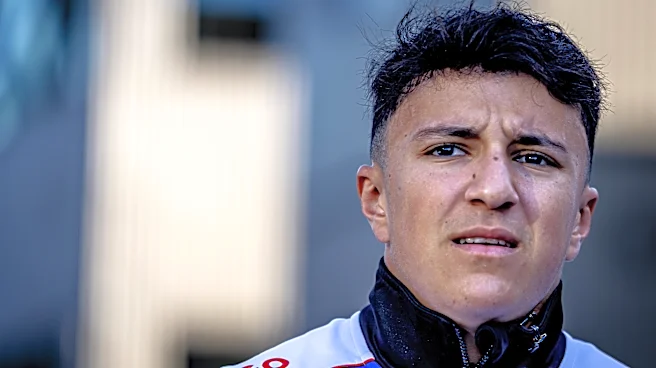
Red Bull driver Isack Hadjar has voiced a desire for the 2026 Formula 1 season to be longer, contrasting with several other drivers who have recently experienced illness and missed media commitments. Hadjar, who is 22 years old, feels unusually fresh
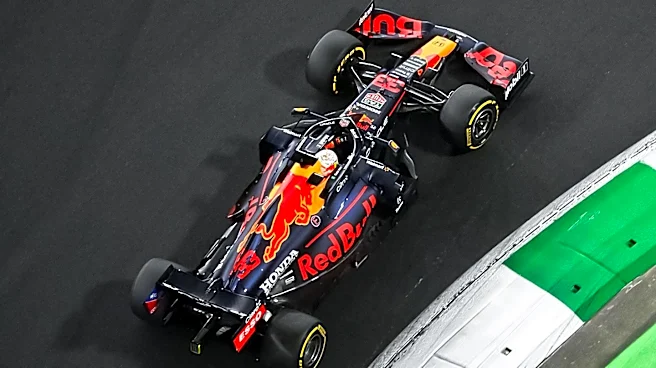
after missing three races earlier in the season due to a broken wrist sustained during boxing training over the summer break. The Frenchman noted that the Bahrain and Saudi Arabia races were canceled, contributing to his feeling of having driven less this year. He missed the Dutch, Italian, and Spanish Grands Prix before returning in Azerbaijan, coinciding with an improvement in Red Bull's car performance. Hadjar stated, “At the same time, I feel like I haven’t driven much this year, for some reason,” and expressed sadness that the season is nearing its end, feeling he could continue for a long time. He also praised Red Bull's recovery from a difficult start, highlighting the car's current capability to win and fight for podium finishes, which instills confidence for the next season.
Why It's Important?
Hadjar's perspective offers a unique insight into the physical and mental demands placed on Formula 1 drivers, particularly in a season marked by cancellations and personal setbacks. His eagerness for more racing, despite the demanding schedule that has led to other drivers missing events due to illness, underscores his personal resilience and commitment to the sport. This also highlights the varying individual experiences within the highly competitive F1 environment, where some drivers might feel the strain more acutely than others. For Red Bull, Hadjar's positive outlook and confidence in the car's improved performance are crucial. It suggests a strong team morale and belief in their engineering capabilities, which could be a significant factor in their future competitiveness. His comments about the car's ability to win and contend for podiums indicate a successful mid-season development push, which is vital for any F1 team aiming for championship contention. This internal confidence can translate into better on-track results and attract further talent and investment.
What's Next?
With only three races remaining in the 2026 season, Hadjar will aim to maximize his performance and secure strong results to build momentum for the upcoming 2027 season. His expressed confidence in Red Bull's car development suggests that the team will continue to push for further improvements, potentially making them a stronger contender in the next championship. The team will likely focus on maintaining the car's competitive edge and addressing any remaining performance gaps. Hadjar's personal ambition to continue racing for a longer period indicates his dedication, and he will likely be a key figure in Red Bull's future plans. The team will also need to manage the physical well-being of all its drivers, given the recent instances of illness among other F1 competitors, to ensure optimal performance throughout the demanding race calendar. His performance in the remaining races will be critical in solidifying his position within the team and demonstrating his potential for future seasons.
Beyond the Headlines
Hadjar's comments subtly highlight the intense pressure and unique psychological landscape of elite sports like Formula 1. While many drivers grapple with the physical and mental toll of a long season, his desire for more racing, even after a significant injury and canceled events, speaks to a profound drive and passion. This contrasts with the increasing discussions around driver welfare and the sustainability of an expanding F1 calendar. His experience also sheds light on the critical role of team development and adaptation throughout a season. Red Bull's ability to turn around a difficult start and make their car competitive again is a testament to their engineering prowess and strategic flexibility. This continuous evolution of car performance is a core element of F1, where technological advancements and rapid problem-solving often dictate success. Hadjar's confidence in the car's future performance suggests a strong synergy between driver feedback and engineering execution, which is paramount for long-term success in the sport.