






What's Happening?
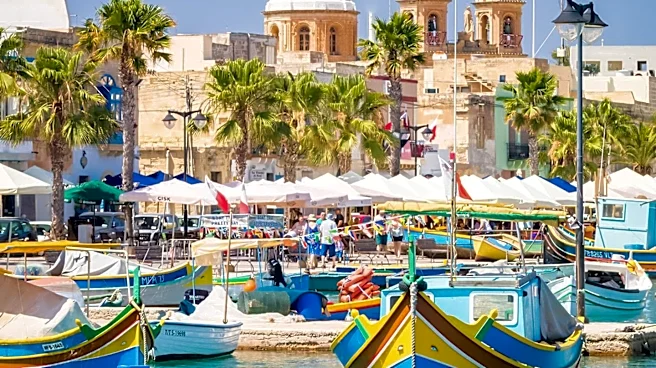
Malta is positioning itself as a destination for holistic wellness travel, extending beyond conventional spa treatments to include immersive cultural experiences and sustainable accommodations. The country encourages visitors to engage in hands-on activities,
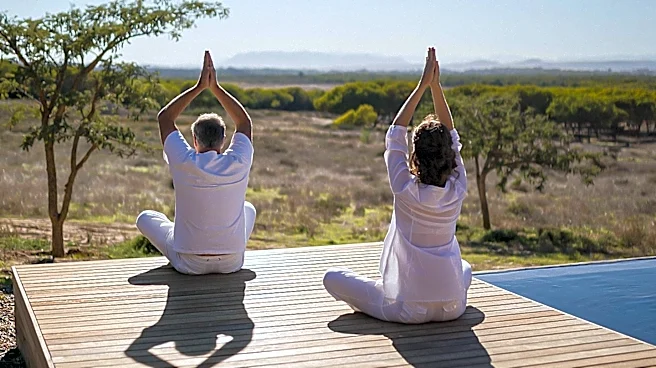
such as bigilla-making workshops at local restaurants, olive oil tastings at multigenerational groves, and learning about sheep's-milk cheeses from local shepherds. Accommodations like Mulberries Wellbeing Château, a sustainably created wellness sanctuary in a reimagined former farmhouse, offer guests a chance to decompress in historic settings with gardens, indoor whirlpools, pools, steam rooms, and meditation/yoga spaces. The initiative aims to provide travelers with opportunities to connect with local culture, nature, and history, fostering mindfulness and a deeper sense of well-being.
Why It's Important?
This approach to wellness travel in Malta offers a model that could influence the U.S. tourism industry, particularly in regions seeking to diversify their offerings beyond standard attractions. For U.S. travelers, it presents an alternative to conventional wellness retreats, emphasizing cultural immersion and authentic local engagement as integral components of rejuvenation. This trend could encourage U.S. destinations to develop similar programs that highlight local heritage, culinary traditions, and sustainable practices, thereby enriching the travel experience and supporting local economies. It also underscores a growing consumer preference for experiential travel that combines relaxation with learning and connection, potentially driving innovation in how U.S. hospitality and tourism sectors design their wellness packages.
What's Next?
The success of Malta's holistic wellness model could inspire U.S. travel destinations to integrate more cultural and sustainable elements into their wellness offerings. We might see an increase in 'agri-tourism' or 'cultural wellness' packages that allow travelers to participate in local food production, traditional crafts, or historical explorations. There could also be a greater emphasis on developing sustainable accommodations that blend historical preservation with modern wellness amenities. Marketing efforts in the U.S. travel industry may begin to highlight the mental and emotional benefits of cultural immersion and connection with local communities, alongside physical relaxation. This could lead to a broader redefinition of 'wellness travel' to encompass a more comprehensive and enriching experience.
Beyond the Headlines
Malta's strategy for wellness travel reflects a deeper understanding of well-being as a multifaceted concept that includes mental, emotional, and cultural dimensions, not just physical pampering. By encouraging engagement with local communities and traditions, it addresses the human need for connection and belonging, which are crucial for holistic health. This approach also has significant ethical implications, as it promotes responsible tourism that respects and supports local cultures and environments. It challenges the often-insular nature of luxury wellness, suggesting that true rejuvenation can be found in authentic interactions and a deeper appreciation of a destination's unique character. This model could contribute to a more sustainable and equitable tourism industry globally, where the benefits are shared more broadly with local populations.