


What's Happening?
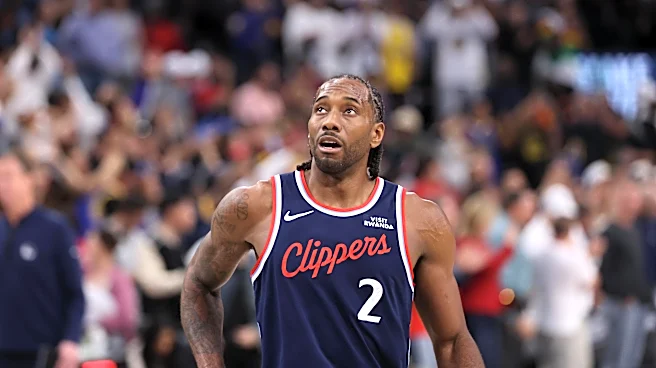
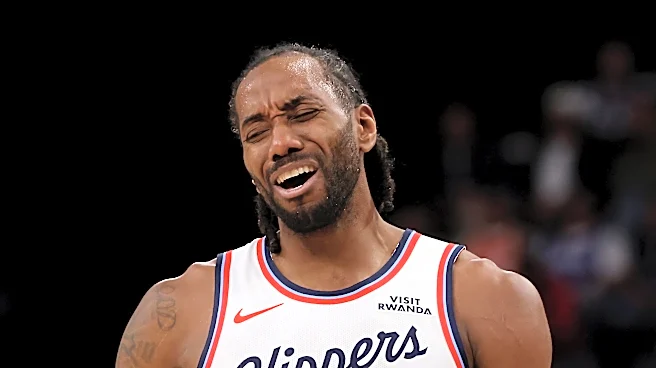
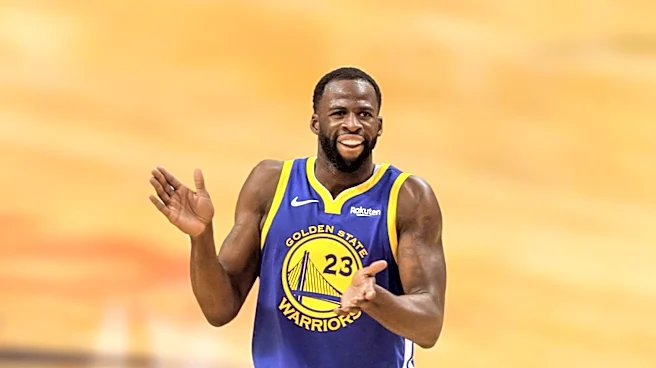
Golden State Warriors star Draymond Green has proposed a new system for handling forfeited NBA draft picks, following the Los Angeles Clippers' loss of five first-round selections due to salary cap circumvention. The Clippers were fined millions and will
forfeit top draft picks from 2029 until 2033. Green, speaking on his podcast, 'The Draymond Green Show,' argued that simply removing these picks from the draft pool is unfair to aspiring players who lose the opportunity to be drafted. He suggested that instead of eliminating the picks, they should be redistributed to other teams, possibly through a lottery system, to ensure the total number of draft selections remains consistent. This proposal aims to maintain the standard 60 draft picks each year, preserving opportunities for young athletes.
Why It's Important?
Draymond Green's proposal addresses a significant issue within the NBA's disciplinary framework and its impact on player opportunities. The current system, where forfeited picks are simply removed, reduces the total number of available draft slots, directly affecting the careers of young athletes who have dedicated their lives to the sport. If adopted, Green's suggestion could ensure that disciplinary actions against teams do not inadvertently penalize prospective players. This would maintain the integrity of the draft process as a pathway to the NBA for a consistent number of individuals. For the league, it presents an opportunity to refine its rules to be more equitable while still enforcing penalties for violations. It also highlights the growing influence of prominent players like Green in shaping league policy discussions, reflecting a shift in athlete advocacy beyond on-court issues.
What's Next?
While Draymond Green's proposal has not been formally discussed by the NBA, it introduces a new perspective on how the league could handle future draft pick forfeitures. The NBA will likely continue to enforce penalties for salary cap violations, but Green's suggestion could prompt internal discussions about alternative methods for managing forfeited picks. The league might consider a review of its current policy to assess its broader impact on player development and opportunities. Any potential changes would require careful consideration of fairness to both penalized teams and the rest of the league, as well as the overall health of the draft system. Green's public advocacy could also encourage other players or player associations to voice similar concerns, potentially building momentum for a policy re-evaluation.
Beyond the Headlines
Green's proposal touches upon the ethical responsibilities of professional sports leagues towards aspiring athletes. Beyond the competitive and financial aspects, the NBA, as a major professional sports organization, plays a significant role in providing career pathways for talented individuals. Reducing draft opportunities, even as a consequence of team misconduct, raises questions about the league's commitment to fostering talent and ensuring equitable access. The discussion also highlights the complex interplay between team discipline, player welfare, and the overall structure of the league. If the NBA were to adopt a system of redistributing forfeited picks, it could set a precedent for other sports leagues facing similar disciplinary challenges, promoting a more player-centric approach to sanctions. This could lead to a broader re-evaluation of how penalties are designed to ensure they achieve their intended deterrent effect without creating unintended negative consequences for individuals.