





What's Happening?
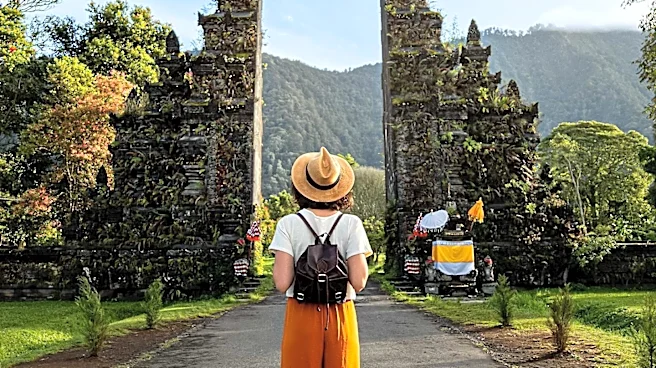
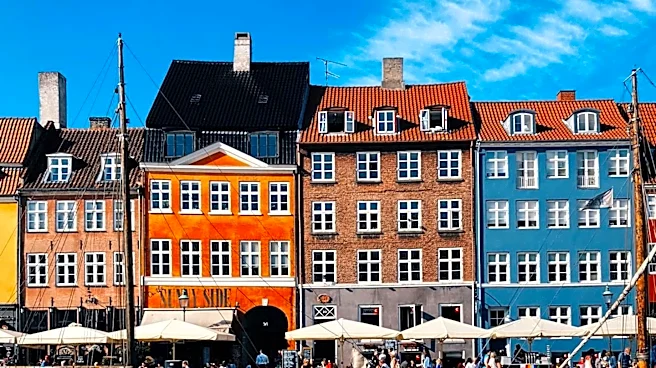
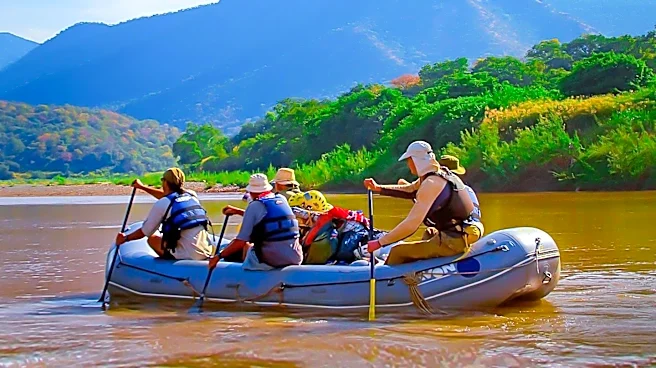
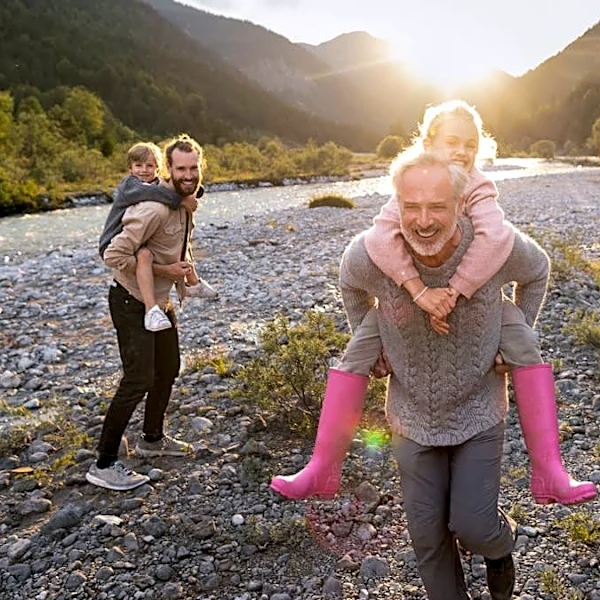
The travel industry is observing a growing trend towards 'soft adventure' travel, characterized by leisurely and low-impact activities that offer adventure without high-risk elements. This type of travel includes activities such as beach walks, island
explorations, historical site visits, and sunset cruises. Travel Department has responded to this demand by introducing its Outbounder brand, which focuses on walking and hiking holidays, wildlife and wellness tours, and solo travel experiences. Similarly, a 10-Day Laos Adventure Itinerary highlights soft adventure through cultural discovery and natural wonders, aiming to provide a family-friendly and stress-free travel experience. This shift indicates a preference among modern travelers for experiences that refresh their perspective and build confidence, rather than solely offering physical rest.
Why It's Important?
This trend signifies a notable evolution in traveler preferences within the U.S. and global tourism markets. The increasing demand for soft adventure travel suggests a broader societal shift towards experiences that prioritize mental and emotional well-being alongside physical activity. For the U.S. travel industry, this means a potential expansion of offerings beyond traditional tourism, focusing on niche markets like wellness, eco-tourism, and cultural immersion. Businesses that adapt to this demand by developing accessible and engaging soft adventure packages stand to gain a competitive advantage. Conversely, those that remain focused solely on high-adrenaline or conventional leisure travel might see a decline in market share. This trend also impacts local economies in destinations, as soft adventure often encourages deeper engagement with local culture and environments, potentially leading to more sustainable tourism practices and diversified revenue streams for communities.
What's Next?
In response to the sustained interest in soft adventure, travel companies are likely to further diversify their offerings to cater to a wider range of preferences and demographics. This could include the development of more specialized tours focusing on specific interests such as birdwatching, photography, or culinary exploration in natural settings. We can anticipate increased investment in infrastructure that supports these activities, such as improved hiking trails, eco-lodges, and guided tour services. Marketing efforts will likely emphasize the restorative and enriching aspects of soft adventure, appealing to travelers seeking a 'reset' from their daily routines. Furthermore, collaborations between travel agencies, local communities, and environmental organizations may become more common to ensure that these adventures are both enjoyable and sustainable, preserving the natural and cultural integrity of destinations.
Beyond the Headlines
The rise of soft adventure travel reflects a deeper cultural yearning for authenticity and connection in an increasingly digital world. Travelers are seeking experiences that allow them to be fully present, engage with their surroundings, and gain a sense of accomplishment without extreme physical exertion. This trend challenges the traditional notion of adventure as solely high-risk and adrenaline-fueled, broadening its definition to include mindful exploration and personal growth. Ethically, this shift could promote more responsible tourism, encouraging travelers to appreciate and protect natural and cultural heritage. It also highlights a growing awareness of mental health and the role of nature and novel experiences in fostering well-being. The long-term implication could be a more sustainable and enriching global tourism industry, where the focus shifts from mere consumption to meaningful engagement and personal transformation.