







What's Happening?
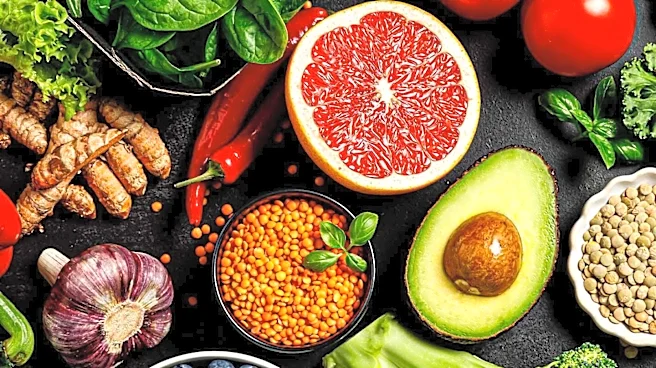
To foster a healthy gut, individuals should prioritize a diverse intake of fiber-rich foods, including beans, lentils, whole grains, vegetables, fruits, nuts, and seeds. These foods provide essential nutrients for gut bacteria. Beyond diet, maintaining
consistent sleep patterns, aiming for at least seven hours nightly, is recommended. Regular physical activity also plays a significant role in promoting digestive health. Stress management techniques such as mindfulness, yoga, and deep-breathing exercises are additionally beneficial for overall gut wellness. The consensus among health sources is that a robust and diverse gut microbiome is fundamental to overall health, with diet, exercise, and sleep hygiene forming the pillars of a gut-healthy lifestyle. While fermented foods and probiotics can be beneficial, especially for specific issues like antibiotic-associated diarrhea, their general efficacy for healthy adults is less established, and they should not replace a fiber-rich diet.
Why It's Important?
The emphasis on gut health reflects a growing understanding of its profound impact on overall physiological well-being. A healthy gut microbiome is increasingly recognized as a cornerstone of not just digestive health, but also immune function, mental health, and metabolic regulation. For individuals, adopting these lifestyle changes can lead to improved digestion, reduced inflammation, and enhanced nutrient absorption, potentially mitigating risks for various chronic diseases. From a public health perspective, promoting these accessible and fundamental habits could lead to a healthier population, reducing healthcare burdens associated with diet-related illnesses. The focus on whole foods and lifestyle adjustments also counters the trend of relying solely on supplements, advocating for a more holistic and sustainable approach to health.
What's Next?
Individuals are encouraged to gradually incorporate more fiber into their diets, increasing intake by about 5 grams every few days to avoid discomfort, while also ensuring adequate water consumption. Establishing a consistent sleep schedule and integrating regular moderate physical activity, such as 150 minutes of brisk walking per week, are practical next steps. For those considering fermented foods or probiotics, checking for 'live' or 'active' cultures in products is advised, though these should complement, not replace, a fiber-rich diet. Consulting healthcare professionals is recommended for individuals with pre-existing digestive conditions, weakened immune systems, or those taking regular medications before making significant dietary changes or adding supplements. Continued research is expected to further elucidate the intricate connections between lifestyle factors and the gut microbiome.
Beyond the Headlines
The focus on gut health extends beyond mere physical well-being, touching upon broader societal implications. The promotion of whole, unprocessed foods challenges the prevalence of ultra-processed diets, which are often linked to poor gut health and various chronic conditions. This shift encourages a re-evaluation of food systems and consumer choices, advocating for more sustainable and health-conscious eating habits. Furthermore, the integration of stress management techniques highlights the interconnectedness of mental and physical health, underscoring the importance of holistic wellness approaches. This movement also subtly critiques the 'quick fix' mentality often associated with health trends, instead advocating for foundational, long-term lifestyle changes that empower individuals to take proactive control of their health through accessible and natural means.