






What's Happening?
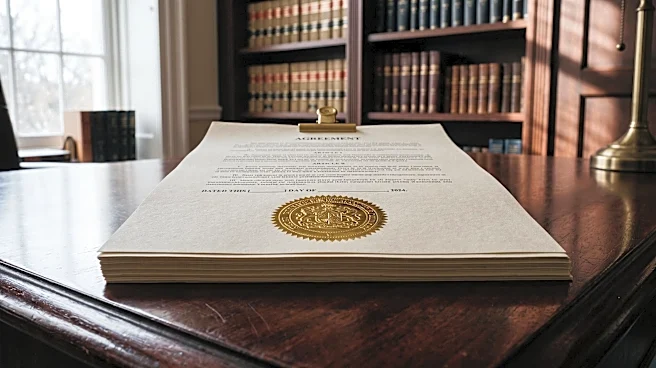
A leaked contract signed by the K-pop group NewJeans with HYBE affiliate ADOR, when the members were between 14 and 17 years old, has brought renewed scrutiny to the K-pop industry's practices. The New York Times analyzed these confidential litigation
materials, revealing clauses that allegedly heavily favored the company. These included the omission of explicit protections for minors regarding sleep, rest, and free choice, which are common in Western contracts. The agreements also reportedly imposed aggressive financial burdens on the young trainees, requiring them to cover costs for skincare, beauty treatments, and cosmetic procedures. Furthermore, the contracts contained behavioral clauses prohibiting 'insincere attitude' or 'inappropriate romantic relationships,' and stipulated huge exit fees, even if the label terminated the contract. One particularly controversial clause granted ADOR perpetual rights to use the members' likenesses and voices for AI chatbots or clones, extending beyond their exclusive agreements. HYBE and ADOR have pushed back, framing the leak as an attack on the K-pop industry and stating that separate, government-mandated supplementary agreements ensure minor protections.
Why It's Important?
This leak is significant as it highlights a clash between Korean entertainment business practices and Western artist and labor expectations, particularly concerning minor protections and contractual fairness. The K-pop industry's global expansion means its internal mechanics are increasingly subject to international scrutiny and public opinion. The alleged 'slave contracts' and intense trainee system, which involves aggressive global scouting and grueling training bootcamps, raise concerns about the welfare and rights of young artists. The financial burdens and behavioral restrictions outlined in the leaked contract could exploit vulnerable minors, while the perpetual AI rights clause presents a novel challenge to artist control over their digital identities. This situation could prompt a reevaluation of industry standards and potentially lead to greater regulatory oversight, impacting how K-pop companies manage their talent and public relations on a global scale.
What's Next?
HYBE and ADOR are actively working to counter the negative narrative, asserting that the leaked documents are being used to attack the K-pop industry. They maintain that government-mandated supplementary agreements for underage trainees legally enforce personal rights, including education, sleep, and rest, until the artist reaches adulthood. The Korea Popmusic Industry Association has also criticized the New York Times' assessment as 'one-sided and biased,' arguing that Western media misunderstands the K-pop incubation system and the financial risks involved, as well as existing legal safeguards. This ongoing debate could lead to increased pressure from international bodies and artist advocacy groups for greater transparency and more equitable contracts within the K-pop industry. It may also prompt South Korean authorities to review and potentially strengthen existing regulations concerning minor artists' rights and contractual terms.
Beyond the Headlines
The controversy surrounding NewJeans' contract extends beyond immediate legal and public relations battles, touching upon deeper ethical and cultural dimensions within the global entertainment industry. The 'perpetual AI rights' clause, in particular, raises profound questions about digital identity, ownership, and the future of artistic control in an age of advanced artificial intelligence. This could set a precedent for how artists' digital likenesses and voices are managed and exploited, potentially impacting intellectual property laws and artist rights across various creative fields. The incident also underscores the cultural differences in labor practices and expectations between the East and West, prompting a broader discussion on universal labor standards and the protection of minors in high-pressure industries. The long-term implications could include a shift in how talent is scouted, developed, and contracted globally, pushing for more artist-centric models and greater transparency.