




What's Happening?
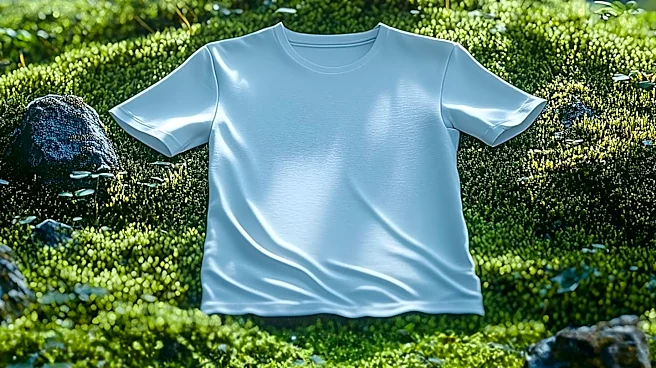
Australian menswear brand GritWear has introduced a new 100% plant-based, plastic-free hemp T-shirt, developed with direct input from its customer community. This innovative product, made from GRITECH™ — a patent-pending blend of hemp, bamboo, and organic
cotton — contains zero polyester, microplastics, or PFAS. The brand's founder, motivated by personal fertility struggles and the discovery of harmful chemicals in synthetic textiles, aimed to create a durable, breathable, and healthy alternative to conventional T-shirts. The development process took 11 months, as no existing method allowed for blending hemp with bamboo. GritWear engaged its community throughout the design phase, incorporating feedback on issues like sweat patches, sagging, and odor. The company is now shipping this new T-shirt to over 230 countries and regions, including the United States, through its website thegritwear.com.
Why It's Important?
This launch is significant for the U.S. market as it addresses growing consumer demand for sustainable and health-conscious apparel. The elimination of plastics and PFAS from clothing aligns with increasing awareness of environmental pollution and potential health risks associated with synthetic materials. For U.S. consumers, GritWear offers an alternative to traditional polyester-based activewear, which is often criticized for its environmental impact and lack of breathability. For U.S. businesses in the apparel sector, this innovation highlights the potential for market disruption through sustainable materials and community-driven product development. It could spur U.S. manufacturers to invest in similar research and development, fostering competition in eco-friendly fashion and potentially influencing regulatory discussions around textile safety and environmental standards.
What's Next?
GritWear plans to continue developing new products with its community, testing ideas with real customers before market release. The brand's commitment to a lifetime guarantee on its T-shirts, promising replacement if they sag, fade, or wear out, sets a high bar for durability and customer satisfaction. This approach could influence other apparel companies to re-evaluate their product lifecycles and warranty policies. The expansion of worldwide shipping, including to the U.S., means increased accessibility for American consumers interested in sustainable clothing options. The company's success could also encourage further research into natural fiber blends and manufacturing processes that reduce environmental impact and eliminate harmful chemicals, potentially leading to broader industry adoption of GRITECH-like technologies.
Beyond the Headlines
GritWear's story goes beyond just a new product; it represents a paradigm shift in how consumer goods can be developed and marketed. The emphasis on community involvement in product design fosters a sense of ownership and loyalty, moving away from traditional top-down manufacturing. Ethically, the founder's personal journey with fertility struggles highlights the often-overlooked health implications of everyday products, pushing for greater transparency and accountability from brands. This could lead to a more informed consumer base in the U.S., demanding not just performance but also safety and sustainability from their clothing. The brand's challenge to the dominance of synthetic fibers also points to a potential long-term cultural shift towards valuing natural, durable, and environmentally benign materials over cheap, disposable fashion.