




What's Happening?
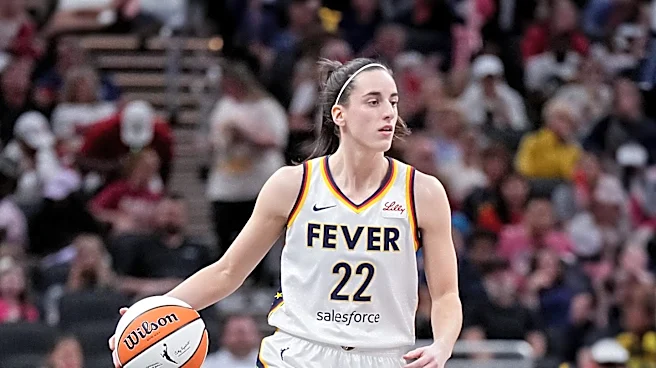
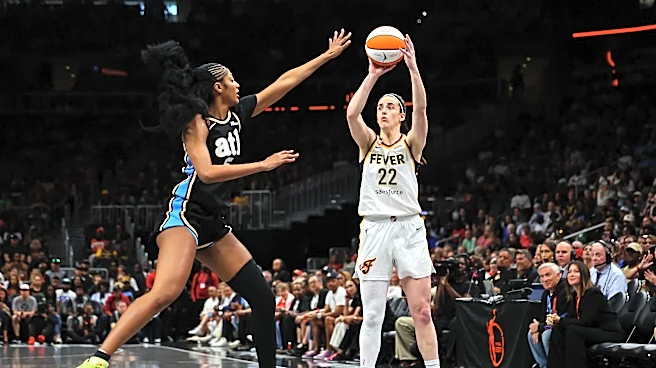
The WNBA has achieved a new cable viewership record, with a recent Fever-Dream regular season game averaging 2.58 million viewers on ESPN. This surpasses the previous high of 2.54 million viewers for a Fever-Sun playoff game in 2024. The Indiana Fever's
victory peaked with four million viewers in a specific quarter-hour, making it the eighth game this season to attract at least 2.4 million viewers. This figure doubles the combined total of such games over the previous 25 seasons. The increased viewership is partly attributed to Nielsen's updated 'Big Data + Panel' methodology and expanded out-of-home viewing sample. Notably, the 12 largest WNBA audiences since 2000 have all occurred within the last three seasons, consistently involving Fever G Caitlin Clark, including nine Fever games, her two All-Star Game appearances, and the 2024 WNBA Draft.
Why It's Important?
This surge in WNBA viewership signifies a significant shift in the landscape of U.S. sports broadcasting and fan engagement. The record-breaking numbers indicate a growing mainstream appeal for women's basketball, moving beyond niche audiences. The consistent involvement of Caitlin Clark in these high-viewership games highlights the impact of individual star power on league popularity and marketability. This trend could lead to increased investment in the WNBA from broadcasters, sponsors, and advertisers, potentially resulting in more lucrative media rights deals and greater financial stability for the league and its players. The expanded audience reach also suggests a broader cultural acceptance and appreciation for women's professional sports, challenging traditional viewership patterns and potentially inspiring more young athletes. The WNBA's ability to draw such large audiences, even for games not featuring the Fever, as seen with the Mercury-Fire game, demonstrates a rising overall interest in the league.
What's Next?
The WNBA is scheduled for a three-week break for the FIBA World Championships, which may temporarily impact viewership figures as the league pauses. Following this break, and with the impending start of the pro and college football seasons, ESPN has only one more regular season WNBA broadcast scheduled for over a month away. The league and its broadcast partners will likely analyze these record-breaking numbers to strategize future programming and marketing efforts. Continued high viewership could lead to negotiations for even more prominent broadcast slots and increased coverage. The sustained interest generated by players like Caitlin Clark will likely be a focal point for the league's promotional campaigns, aiming to convert new viewers into long-term fans. The success on cable and ION also suggests potential for further expansion of WNBA content across various platforms.
Beyond the Headlines
The unprecedented viewership for the WNBA, particularly the consistent involvement of Caitlin Clark, points to a broader cultural phenomenon beyond just sports. It reflects a growing demand for diverse sports content and a recognition of the athletic prowess and entertainment value of women's professional leagues. This shift could have long-term implications for gender equality in sports, potentially leading to more equitable pay, resources, and media representation for female athletes across various disciplines. The 'Caitlin Clark effect' demonstrates the power of individual athletes to transcend their sport and capture national attention, creating new fan bases and driving economic growth for their leagues. This success also challenges the traditional narrative that women's sports cannot attract large audiences, paving the way for future investments and opportunities in women's athletics at all levels.