






What's Happening?
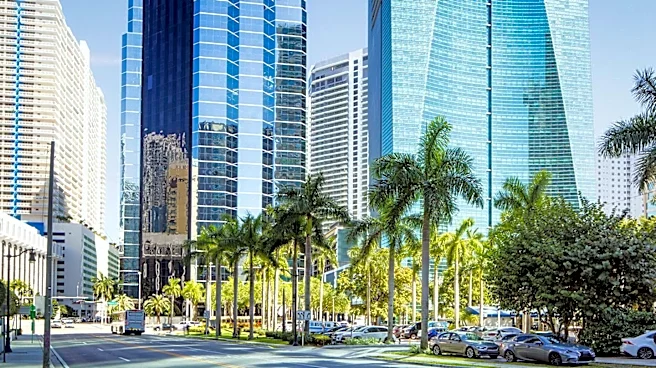
Miami has surpassed New York City in terms of living costs, posing challenges for residents and the local economy. The rising expenses have led to a reverse migration trend, with residents moving to more affordable areas. This shift is causing a labor
shortage as employers struggle to fill positions. The cost of living in Miami has increased due to soaring housing prices, insurance premiums, and other expenses, diminishing the city's affordability advantage. The situation is exacerbated by Miami's vulnerability to natural disasters, which has driven up insurance costs.
Why It's Important?
The rising cost of living in Miami is a significant economic concern, as it affects the city's ability to attract and retain residents and workers. The labor shortage could hinder economic growth and development, impacting businesses and industries reliant on a stable workforce. The trend of residents leaving for more affordable areas could lead to a decline in consumer spending and economic activity. The situation highlights the broader challenges of urban affordability and the need for policies that address housing and living costs to ensure sustainable economic growth.
What's Next?
Miami may need to implement strategies to address the affordability crisis, such as increasing affordable housing options and managing insurance costs. Policymakers and business leaders might explore incentives to retain residents and attract new talent. The city could also focus on diversifying its economy to reduce reliance on sectors vulnerable to cost fluctuations. The ongoing situation will likely prompt discussions on urban planning and economic policies to balance growth with affordability and quality of life for residents.