






What's Happening?
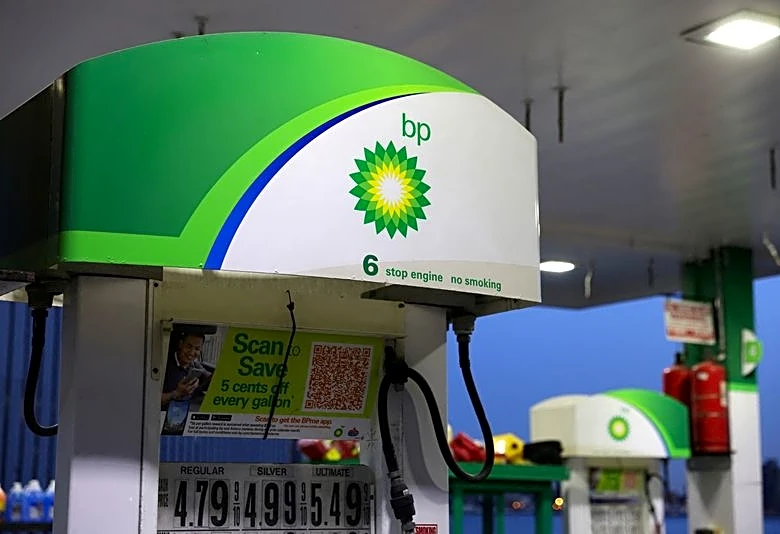
A recent study by the Joint Economic Committee Democrats has revealed that U.S. farmers spent an additional $1.4 billion on diesel fuel during the 2025-2026 planting season compared to the previous year. This represents a 63% increase in diesel spending
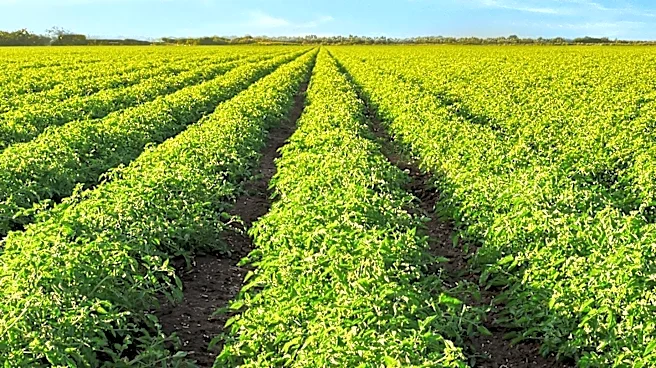
for key crops such as corn, soybeans, wheat, cotton, and rice. The analysis, which utilized data from AAA, the Energy Information Administration, and USDA, highlighted that states like Illinois, Iowa, and Minnesota experienced the highest increases in diesel costs. The report also noted that 16 of the top 18 corn-growing states and all of the top 18 soybean-growing states were among the most affected. The average farmer paid approximately $1,500 more per fuel tank refill, with significant cost increases also noted for farm equipment and transportation vehicles.
Why It's Important?
The substantial rise in diesel costs poses a significant challenge for U.S. farmers, impacting their profitability and operational decisions. As energy prices drive production costs, farmers must navigate increased expenses for fuel, fertilizer, and transportation while maintaining competitiveness in both domestic and global markets. The financial strain could influence machinery investments, crop selection, and overall farming strategies. Additionally, the uncertainty surrounding commodity markets, weather conditions, and agricultural policies further complicates the situation, making it a critical issue for the agricultural sector in 2026.
What's Next?
Farmers and agricultural groups are likely to continue monitoring energy markets and input costs closely as they plan for future growing seasons. The ongoing rise in diesel prices may prompt farmers to explore alternative energy sources or more fuel-efficient technologies to mitigate costs. Policymakers and industry stakeholders might also engage in discussions to address the broader implications of energy price volatility on agriculture, potentially leading to policy adjustments or support measures to aid farmers in managing these challenges.