




What's Happening?
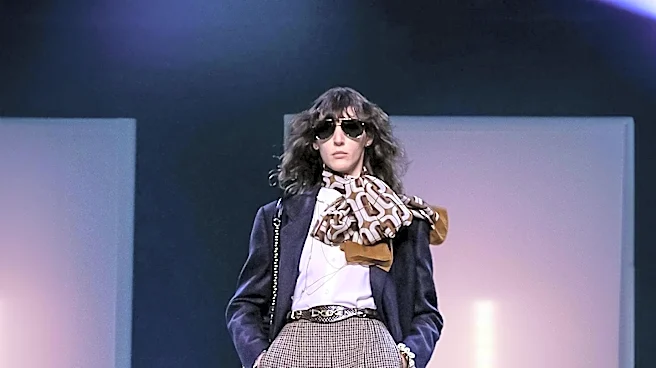
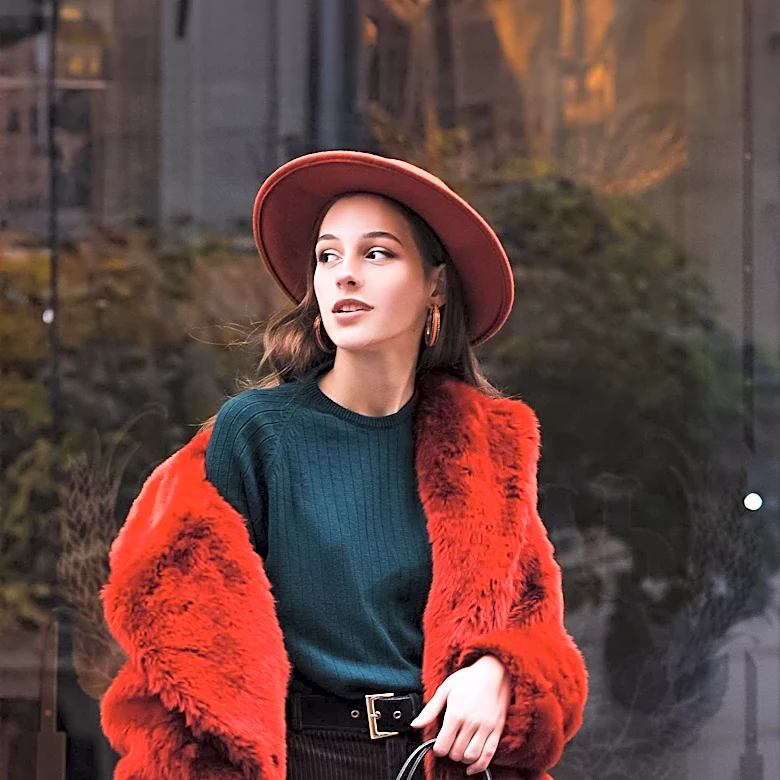
French women are incorporating several chic fashion trends into their winter wardrobes for the 2026/2027 season. These trends include fur trim, fringe, and velvet, which contribute to a dressier and more polished winter style. Specific items gaining popularity
are low-rise bootcut jeans, which offer a vintage aesthetic, and dalmatian print, reflecting a resurgence of 90s-inspired fashion. Fur-trimmed jackets are also a key item, aligning with a broader fashion embrace of glamorous outerwear. Velvet pants are anticipated to be a staple for holiday occasions, providing an alternative to skirts and dresses. Additionally, frog-closure coats and jackets continue to be a strong trend, evolving into longer outerwear pieces. Festive feathery fringe skirts are being adopted for cooler winter outfits, adding a playful element. Cobalt blue is emerging as a significant color, with French women integrating it into their attire ahead of its projected peak in 2027. Classic funnel-neck half-zip sweaters are also favored for casual looks, with specific styles like the J.Crew Tiny Rollneck being prominent.
Why It's Important?
These emerging fashion trends among French women are significant as they often influence global fashion directions and consumer purchasing habits. The adoption of specific styles like low-rise bootcut jeans and dalmatian print indicates a broader cyclical return to 90s fashion, which can impact denim manufacturers and print designers. The emphasis on luxurious textures such as fur trim and velvet suggests a consumer preference for more opulent and tactile clothing, potentially boosting sales for brands specializing in these materials. The early adoption of cobalt blue highlights its potential as a dominant color in upcoming seasons, influencing color palettes for designers and retailers worldwide. For U.S. fashion retailers and brands, understanding these trends is crucial for inventory planning, marketing strategies, and staying competitive in a globalized fashion market. Consumers in the U.S. often look to European fashion, particularly French style, for inspiration, making these trends potential indicators of future popular styles across the Atlantic.
What's Next?
As these trends gain traction among French women, it is likely that fashion brands and retailers globally will begin to incorporate similar styles into their upcoming collections. Consumers can expect to see an increased availability of low-rise bootcut jeans, dalmatian print items, fur-trimmed jackets, velvet pants, and frog-closure outerwear in stores. The prominence of cobalt blue suggests it will become a key color in fashion forecasts and product lines for the next year. Designers may further innovate with fringe and velvet textures, exploring different applications beyond skirts and pants. The continued popularity of funnel-neck half-zip sweaters indicates a sustained demand for comfortable yet chic casual wear. Fashion publications and influencers are expected to further highlight these trends, driving consumer interest and adoption. Retailers will likely adjust their merchandising to feature these styles prominently, potentially leading to new collaborations or product lines inspired by French winter fashion.
Beyond the Headlines
The embrace of these specific trends by French women reflects deeper cultural and aesthetic values that often prioritize timeless elegance mixed with contemporary flair. The return of 90s elements like low-rise bootcut jeans and dalmatian print suggests a nostalgic longing for past fashion eras, while the incorporation of luxurious materials like fur trim and velvet speaks to a desire for sophistication and quality. The frog-closure trend, with its historical roots, adds an element of unique detailing that distinguishes garments. The early adoption of cobalt blue, a bold and vibrant color, might signal a shift towards more expressive and optimistic fashion choices. This blend of vintage, luxury, and modern elements highlights a nuanced approach to personal style that values both comfort and refined aesthetics. For the broader fashion industry, this trend cycle underscores the importance of understanding cultural influences and historical fashion references in predicting future consumer preferences and design directions.