






What's Happening?
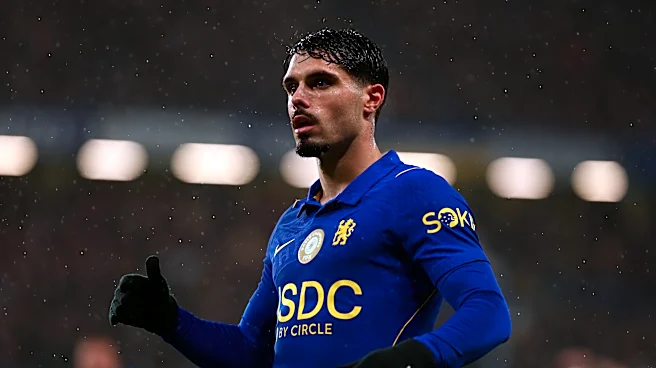
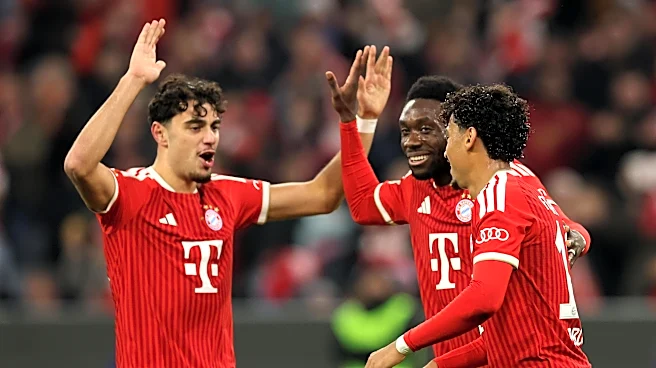
Several prominent Premier League clubs, including Arsenal, Liverpool, and Manchester United, are reportedly making moves to sign Bayern Munich's 18-year-old talent, Lennart Karl. These clubs are looking to capitalize on perceived uncertainty surrounding
Karl's future at the German club, particularly following public statements from Uli Hoeneß regarding the attacker's off-field conduct. Karl, who finished fourth in the Ballon d'Or Kopa Trophy, has attracted significant interest from top European teams. British clubs have initiated contact to understand his situation and assess any potential rift with Bayern's management. Despite Bayern Munich's official stance to retain and develop Karl, there has been no progress on renewing his contract, which is set to expire in June 2029. His current valuation is estimated at around 60 million euros, a figure considered affordable for the financial capabilities of English clubs. Manchester United, in particular, views Karl as a prime opportunity to rejuvenate their attack, given uncertainties surrounding Bruno Fernandes's future and the need for a reliable replacement.
Why It's Important?
The pursuit of Lennart Karl by major Premier League clubs highlights the ongoing trend of top European talents being targeted by financially powerful English teams. This situation could significantly impact Bayern Munich's long-term squad planning and their ability to retain promising young players. If Karl were to leave, it would represent a loss of a highly-rated academy product and a potential future star, forcing Bayern to seek replacements or accelerate the development of other youth players. For the Premier League clubs involved, securing Karl would be a strategic acquisition, adding a young, high-potential attacking midfielder to their ranks. For Manchester United, specifically, it could address critical needs in their offensive lineup, providing a long-term solution and potentially revitalizing their attacking dynamics. The reported €60 million valuation underscores the premium placed on young, proven talent in the current transfer market, reflecting the high stakes involved in securing players who can make an immediate and future impact.
What's Next?
The coming months are expected to be turbulent regarding Lennart Karl's future, with intense negotiations and strategic maneuvers anticipated from all parties. Premier League clubs will likely continue their efforts to persuade Karl and Bayern Munich to consider a transfer, potentially submitting formal bids. Bayern Munich will face increasing pressure to either secure a contract extension with Karl or risk losing him, possibly for a reduced fee as his contract nears its end. The club's management will need to address the internal tensions and public statements that have fueled speculation about his departure. Karl's performance on the field, especially given the current injury crisis at Bayern, will also be under scrutiny, as strong displays could further increase his market value and attract more suitors. The outcome of these discussions will determine whether Karl remains in Germany or makes a high-profile move to the English Premier League, potentially reshaping the attacking options for one of Europe's elite clubs.
Beyond the Headlines
The saga surrounding Lennart Karl's potential transfer delves deeper than just player movement; it reflects the evolving power dynamics in European football. The financial might of Premier League clubs often allows them to outbid competitors from other leagues, creating a talent drain from traditional powerhouses like Bayern Munich. This situation also highlights the delicate balance clubs must strike between player development, contract management, and public relations, especially when dealing with young stars. Uli Hoeneß's public comments about Karl's off-field conduct, while perhaps intended to guide the player, may have inadvertently created an opening for rival clubs to exploit perceived instability. This underscores the impact of internal communications and public statements on player morale and market value. Furthermore, the increasing valuation of young talents like Karl at €60 million signifies a broader trend in football economics, where potential and future impact are priced at a premium, often leading to intense bidding wars and significant financial outlays for clubs aiming to secure the next generation of superstars.