





What's Happening?
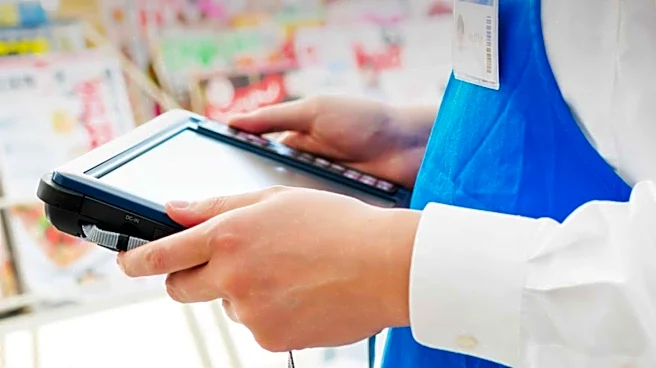
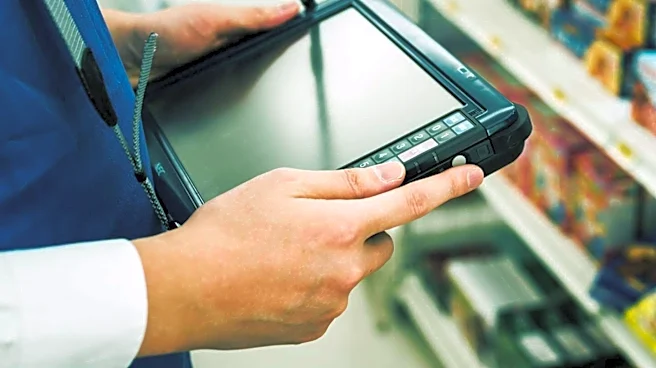
AllSaints, a fashion brand, has rolled out a new mobile point of sale (MPOS) system across its stores, including those in the U.S., to replace its legacy electronic point of sale (EPOS) system. This initiative aims to transform the in-store customer experience
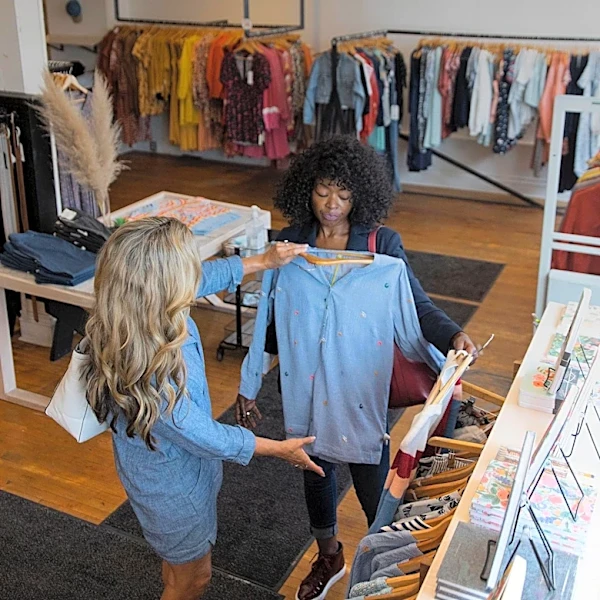
by allowing staff to engage more directly with customers rather than being tied to fixed till points. The company partnered with software development firm NewStore for this transition, which began in the UK before expanding to the U.S., Europe, and Canada. According to Alfie Meekings, AllSaints' chief transformation and technology officer, the shift is focused on giving their 1,200 team members globally better tools to perform their jobs and create more personal connections with shoppers. The MPOS system enables staff to process transactions from anywhere on the shop floor, scan items as customers browse, and offer tap-to-pay functionality, making the purchasing process more flexible and engaging. The company views this MPOS implementation as a foundational step for future enhancements, including clienteling, endless aisle capabilities, and remote cart options.
Why It's Important?
The adoption of MPOS technology by a significant fashion retailer like AllSaints in the U.S. market signals a broader trend in retail towards prioritizing customer experience and operational flexibility. This move is important because it directly impacts how consumers interact with brands in physical stores, potentially setting new expectations for convenience and personalized service. For U.S. consumers, this means a more streamlined and less transactional shopping experience, where sales associates can offer more tailored assistance. For the retail industry, it highlights the increasing necessity for technological integration to remain competitive against online shopping. The ability for staff to move freely and complete transactions anywhere in the store can reduce wait times and enhance customer satisfaction, which is crucial in a competitive retail landscape. Furthermore, the focus on clienteling and future capabilities like 'endless aisle' suggests a strategic shift towards blending the advantages of online and in-store shopping, offering a more holistic retail journey.
What's Next?
Following the successful rollout of the MPOS system, AllSaints plans to introduce further capabilities to enhance the customer experience. Clienteling has already been implemented in 14 stores globally, providing staff with tools to offer more personalized services and build stronger customer relationships. The company also intends to integrate 'endless aisle' and 'remote cart' functionalities. 'Endless aisle' would allow customers to access a wider range of products not physically present in the store, while 'remote cart' could enable staff to assist customers in building a shopping cart that can be completed later or online. These future developments aim to further elevate the in-store experience by offering greater product accessibility and convenience. AllSaints' approach suggests a continuous evolution of its retail technology strategy, with an ongoing focus on leveraging digital tools to create a more seamless and personalized shopping environment for its U.S. and international customers.
Beyond the Headlines
The shift to MPOS by AllSaints reflects a deeper transformation in the retail sector, moving beyond mere transaction processing to creating immersive and personalized customer journeys. This trend underscores the evolving role of physical stores, which are increasingly becoming experience centers rather than just points of sale. The emphasis on freeing up staff to engage with customers highlights a recognition that human interaction, when supported by efficient technology, remains a critical differentiator in retail. Ethically, this approach could lead to more meaningful employment for retail staff, empowering them with better tools and a more engaging role. Culturally, it signifies a move away from the impersonal, queue-based shopping model towards a more fluid and customer-centric experience. The long-term implication is a potential redefinition of retail success, where customer satisfaction and loyalty, driven by personalized experiences and technological convenience, become as important as product quality and price.