


What's Happening?
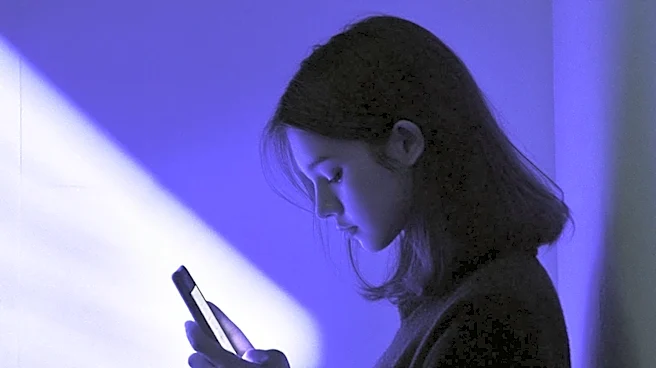
The UK government has announced a ban on social media for children under 16, set to take effect next spring. This move, according to Prime Minister Sir Keir Starmer, is intended to enhance online safety and 'give kids their childhood back.' The decision
comes in response to data showing that a significant majority of UK children aged 13 to 15 have social media profiles, with a substantial number of younger children also using these platforms. Experts suggest that this ban could protect young people from diet culture and misinformation about nutrition that is prevalent on social media. Sasha Watkins, a registered dietitian, highlights that social media often presents a skewed view of healthy eating, leading to anxiety around food and body image issues among teenagers.
Why It's Important?
The ban is significant as it addresses the growing concern over the impact of social media on teenagers' mental health and body image. Social media platforms are known for promoting unrealistic standards of beauty and health, which can lead to body dissatisfaction and unhealthy eating habits among young people. By reducing exposure to such content, the ban could help teenagers develop a healthier relationship with food and body image. This move also underscores the importance of media literacy and critical thinking in navigating online information, as teenagers continue to encounter health advice online.
What's Next?
While the effectiveness of a blanket social media ban remains to be seen, it is expected to prompt discussions on how to balance online safety with freedom of expression. Parents and educators may need to focus on teaching media literacy and encouraging critical thinking among teenagers. The ban could also lead to changes in how social media platforms regulate content aimed at young audiences, potentially influencing global policies on digital safety for minors.